Iran’s Political Turmoil Impacts Household Economics Amid Supreme Leader’s Death
The prolonged mourning of Ayatollah Ali Khamenei and ensuing regional tensions are straining Iranian family budgets and currency stability.
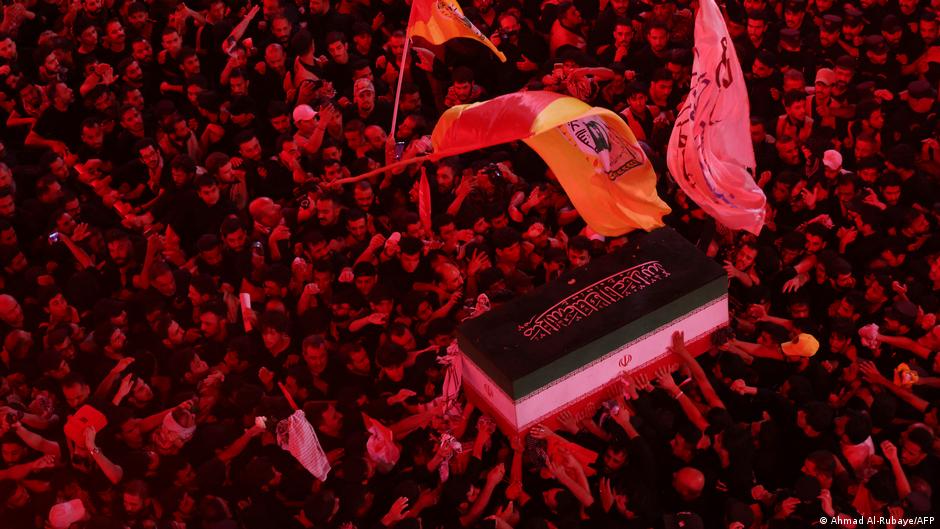
Iran recently concluded a series of closed-door funeral ceremonies for the late Supreme Leader Ayatollah Ali Khamenei, who died in February during a military strike by the United States and Israel. Although the public mourning period was extensive, the political uncertainty and escalating regional conflicts are creating significant economic challenges for ordinary Iranian households.
Economic Fallout from Political Instability
The death of Khamenei and the subsequent leadership transition to his son Mojtaba Khamenei have coincided with renewed military confrontations between Iran and the US-led coalition. These developments are exerting pressure on Iran’s currency, household savings, and consumer finances at a time when many families are already struggling amid international sanctions and inflation.
The funeral services were held at the Imam Reza Shrine in Mashhad, a site that annually attracts up to 20 million pilgrims and serves as a symbol of national unity for Shiite Muslims. However, the political climate remains tense, as Mojtaba Khamenei has remained out of public view since the attack on the supreme leader’s residence, fueling speculation about his health and the regime's stability.
“The prolonged absence of the new leader from public events and ongoing military escalations exacerbate economic uncertainty for everyday Iranians,” noted analysts following the region’s developments.
Recent clashes include Iran shelling a tanker in the strategically vital Strait of Hormuz, followed by US retaliatory strikes on Iranian Revolutionary Guard positions and counterattacks on American bases in Bahrain and Kuwait. This cycle of violence disrupts trade routes and raises fears of further sanctions or military action, which can destabilize prices and limit consumer purchasing power.
From a personal finance perspective, these geopolitical tensions threaten to deepen inflationary pressures on essential goods and services. Iranian families, already contending with decreased access to foreign currency due to sanctions, face increased costs for imports and everyday commodities. Savings held in local currency risk losing value amid exchange rate volatility.
Moreover, the uncertainty surrounding Iran’s political future discourages investment and hampers financial planning for many households. The lack of transparency about the new leadership’s policies and the possibility of renewed conflict weigh heavily on consumer confidence and long-term savings decisions.
While official statements from the US administration initially suggested a temporary pause in negotiations with Tehran during the mourning period, hostilities have resumed, indicating a fragile security environment. Such instability often translates into market volatility, affecting currency exchange and investment returns.
For everyday investors in Iran, these conditions present a challenging environment. Limited access to foreign markets combined with currency fluctuations complicate portfolio management, forcing many to seek safer assets or rely on informal financial networks.
In summary, the death of Ayatollah Ali Khamenei and the ongoing power transition amid renewed military confrontations not only reshape Iran’s political landscape but also have profound implications for household economies, savings security, and consumer spending power. The coming months will be critical for determining whether Iran can stabilize its internal affairs and mitigate economic hardships for its citizens.