Rising Civilian Casualties in Ukraine: Economic Strain on Households and Investors
Increasing civilian losses in Ukraine amid conflict exacerbate financial uncertainty for families and markets alike.
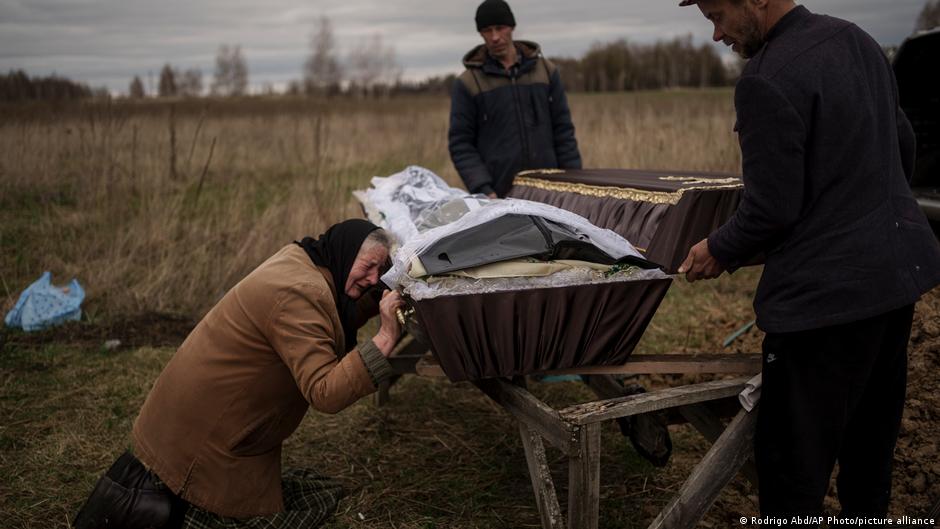
June 2026 marked the deadliest month for civilians in Ukraine since the full-scale Russian invasion began, with ongoing violence intensifying economic pressures on households and everyday investors. Data from the United Nations reveal a worrying trend of escalating civilian casualties, now spanning three consecutive months, amplifying the toll on Ukrainian families’ financial stability and the broader economic environment.
Human Cost and Economic Implications
According to the UN's Deputy Secretary-General for Political and Peacebuilding Affairs, Rosemary DiCarlo, at least 265 civilians were killed in June due to Russian attacks, with another 1,816 injured. Although preliminary, these figures indicate a sustained pattern of violence that disrupts daily life and deepens economic hardship for millions of Ukrainians.
Since the invasion began, over 16,400 civilians, including more than 800 minors, have lost their lives, while nearly 48,500 have been wounded. May 2026 previously held the grim record for civilian deaths, but June’s data underscores a persistent surge in casualties. The violence continues into July, with deadly strikes reported in multiple urban centers.
"The attacks in early July alone resulted in at least 93 civilian deaths and over 500 injuries, indicating a clear pattern of targeting population centers," noted a UN representative.
This sustained conflict profoundly impacts household budgets. Families face increased costs due to medical expenses, loss of income from injured members, and the necessity to seek safer living conditions. Disruptions to local economies and infrastructure further restrict access to goods and services, inflating prices and reducing purchasing power.
For everyday investors and the broader financial market, the instability generates heightened uncertainty. The Ukrainian currency experiences volatility amid ongoing conflict, eroding savings and complicating financial planning. Investors face increased risk, which can deter domestic and foreign investment, slowing economic recovery efforts and prolonging financial hardship for ordinary citizens.
Historically, civilian casualties and conflict intensity have risen during spring and summer months, but 2026 figures significantly exceed past years’ levels. This escalation puts additional strain on humanitarian aid resources and complicates efforts to stabilize the economy.
In response to these trends, UN officials have called for an immediate and unconditional ceasefire to halt civilian suffering and pave the way for a sustainable and just peace, which is essential for economic stabilization and the protection of household finances.
Without a resolution, the protracted conflict threatens to deepen the economic divide, challenge savings preservation, and undermine the financial security of Ukraine’s population, making personal finance resilience more crucial than ever.