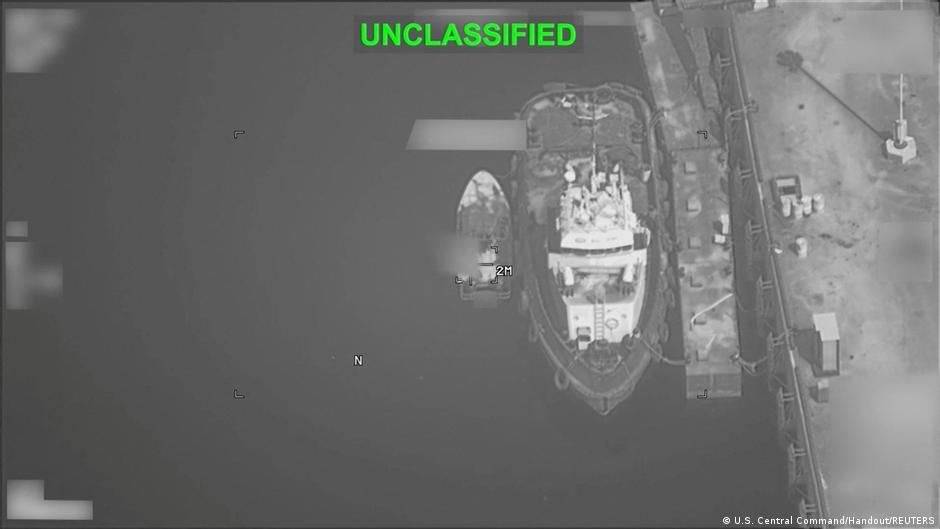
U.S. Says It Destroyed Five Iranian Oil Tankers After Missile Attacks
U.S. strikes on Iranian oil tankers raise new questions for fuel prices, inflation risks, currencies and small investors watching Gulf tensions.

U.S. strikes on Iranian oil tankers raise new questions for fuel prices, inflation risks, currencies and small investors watching Gulf tensions.

U.S. envoys discussed Ukraine peace plans with Putin before Kyiv talks, a development that could affect household costs, currencies and investors.
Ukraine’s anti-corruption agencies searched the prosecutor general’s office in a probe into alleged protection of scam call centers.

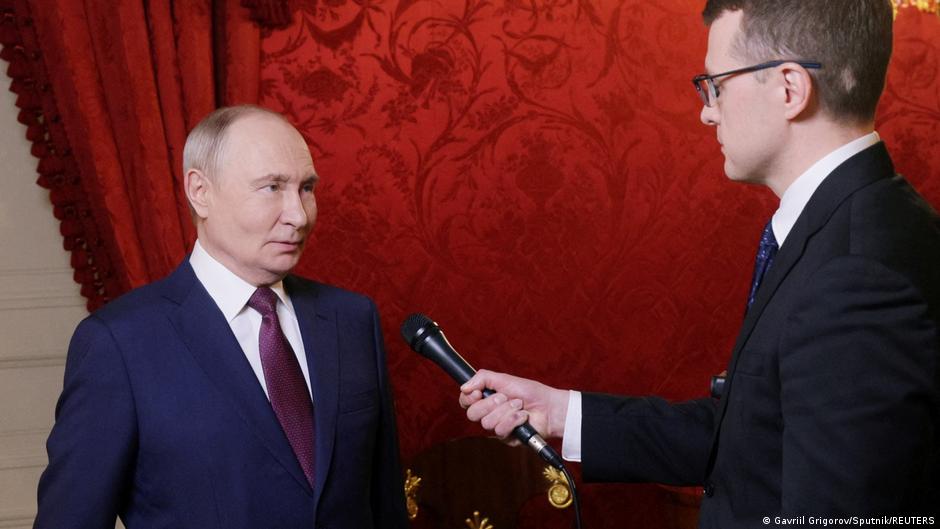
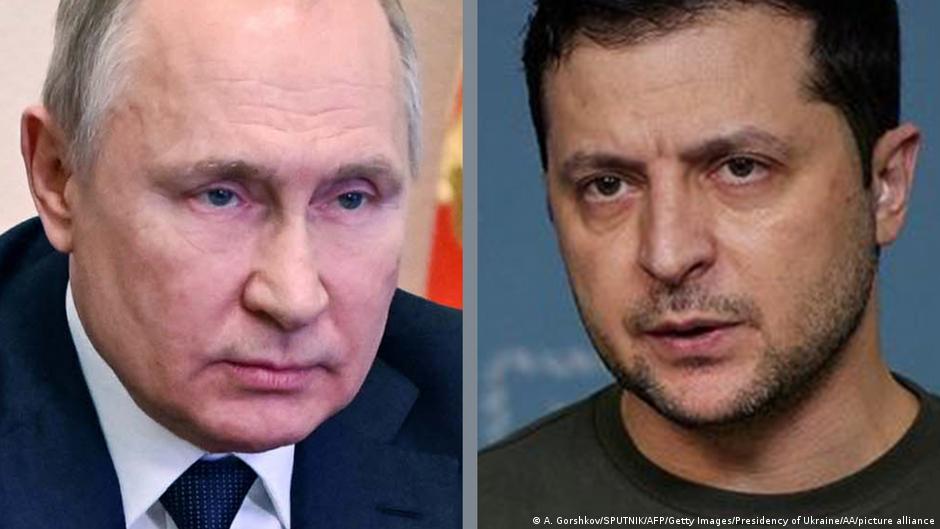
Putin said chances for peace exist, while Zelenskyy said U.S. envoys will visit Kyiv and Moscow, reviving focus on the war’s impact on budgets and markets.

Norway’s seizure of a Russian vessel in a Naftogaz claim highlights how legal battles over assets can shape investor risk, currencies and household finances.

ICAO’s call for stronger protections over conflict zones may influence travel costs, insurance pricing and investor sentiment around airlines and transport.

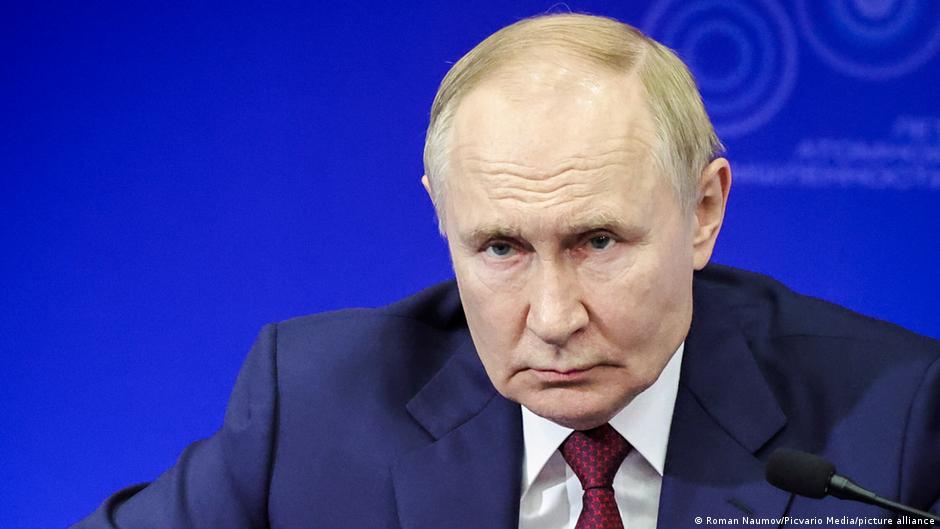
Putin says Armenia’s EU accession push would effectively mean quitting the EAEU, raising questions for trade, prices and investor confidence.

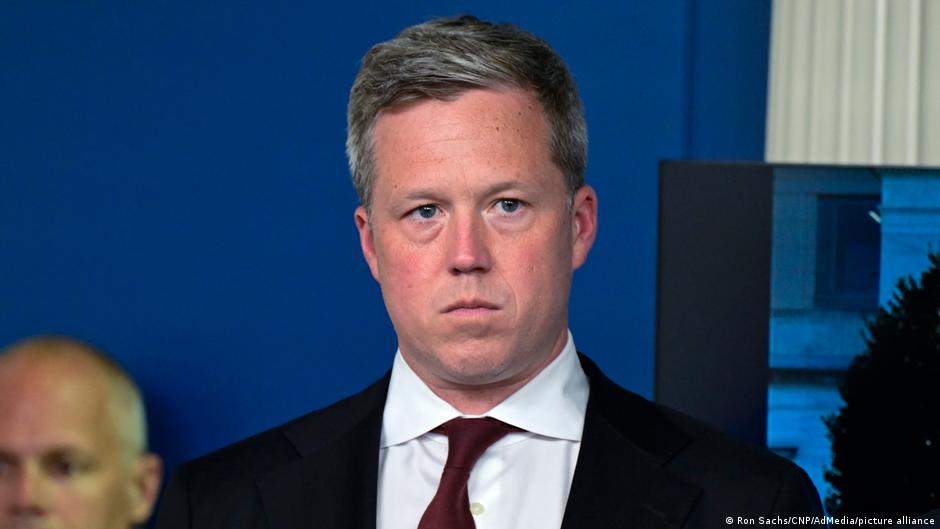
Daniel Driscoll’s resignation after a clash with Pete Hegseth adds new uncertainty around Pentagon spending, procurement priorities and defense-sector sentiment.

The U.S. has removed Syria from its terrorism sponsor list, opening new economic opportunities with potential impacts on currencies, investments, and household finances worldwide.

Sabotage at European defense factories risks supply chain disruptions that could raise consumer costs and disrupt savings amid ongoing geopolitical tensions.

The EU pledges ongoing support to Ukraine amid conflict, maintaining sanctions on Russia that affect European household budgets, currency markets, and investors.

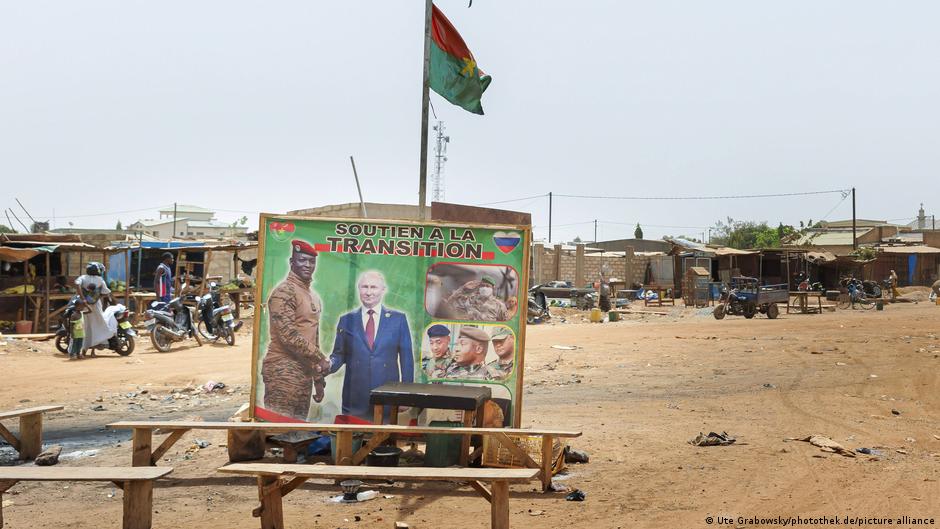
Russia's shadow air fleet in Africa bypasses sanctions, fueling geopolitical tensions that may impact household budgets, inflation, and investor risks globally.

Russia permits individuals missing limbs to drive public transport, potentially boosting employment for veterans and improving household finances amid labor market shifts.

Hundreds of Ukrainian soldiers have deserted military training in Germany since 2022, creating financial uncertainty for families dependent on remittances and affecting currency stability.

Latvia has published a list of 170 firms still trading with Russia and Belarus despite the Ukraine war, affecting consumer choices and investor confidence.

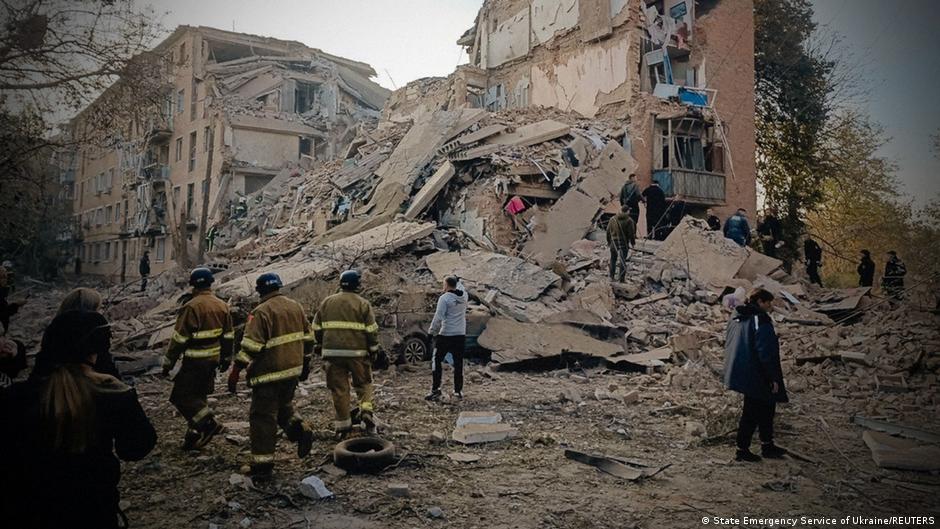
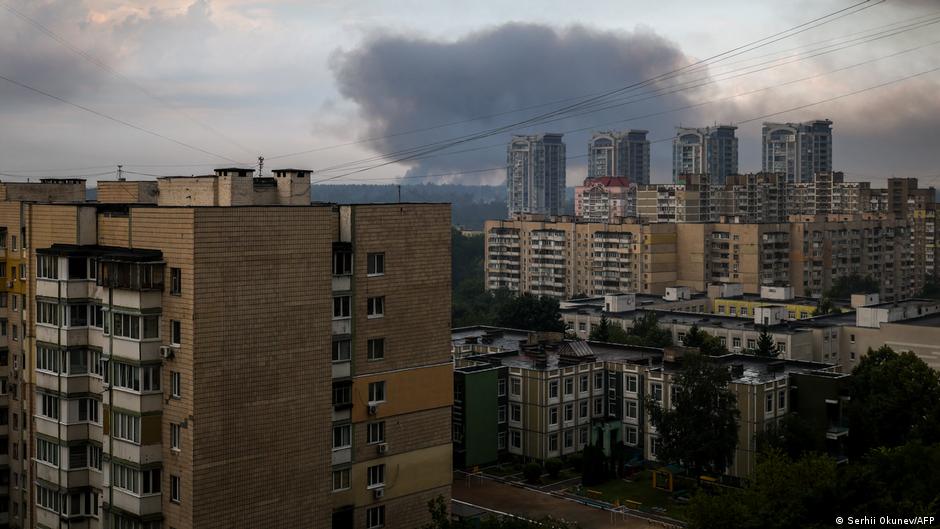
Kyiv missile attacks cause fatalities and damage residential and medical buildings, impacting household budgets and raising concerns for everyday financial security.

NATO responds to Iranian threats targeting European military sites, signaling potential impacts on household budgets, currency markets, and consumer prices amid rising tensions.

Former Ukrainian Defense Minister Mikhail Fedorov urges elections during wartime, highlighting key challenges impacting household finances and economic confidence.

Rising tensions in the Strait of Hormuz threaten oil supply stability, potentially driving up fuel costs and affecting household budgets and investments globally.

Protests in Kyiv demand the return of Mykhailo Fedorov as defense minister, raising concerns about political stability and reforms impacting household finances and currency stability.

Jared Kushner's talks with Hamas highlight persistent Middle East tensions that could impact currencies, inflation, and household finances worldwide.

Geopolitical tensions between Qatar and Iran threaten currency stability and consumer costs, impacting household budgets and everyday investors in the Gulf region.

Russian missile strikes on Kyiv and Kryvyi Rih cause casualties and damage, impacting local economies and household financial stability.

The US plans to declare the Strait of Hormuz as its territory, potentially raising energy prices worldwide and impacting household budgets due to ongoing military tensions with Iran.

Ukraine sanctions 13 ships and 28 companies over illegal grain exports from Russian-occupied territories, aiming to protect agricultural revenues and stabilize commodity markets.

Recent Russian airstrikes in Kramatorsk caused casualties and damaged residential buildings, raising concerns over household safety and economic stability for local consumers and investors.

War crimes allegations amidst the Ukraine conflict intensify economic uncertainty, impacting household budgets, currency stability, and everyday investors' confidence.

The strike on Russian warships and infrastructure in Novorossiysk disrupts regional energy and grain exports, impacting household budgets and consumer prices.

Russian missile and aerial bomb attacks on Zaporizhzhia have caused casualties and damaged infrastructure, affecting household budgets, local economies, and financial stability.

Turkey's reopening of its straits to shipping after temporary restrictions affects Black Sea trade routes, impacting commodity prices and household budgets globally.

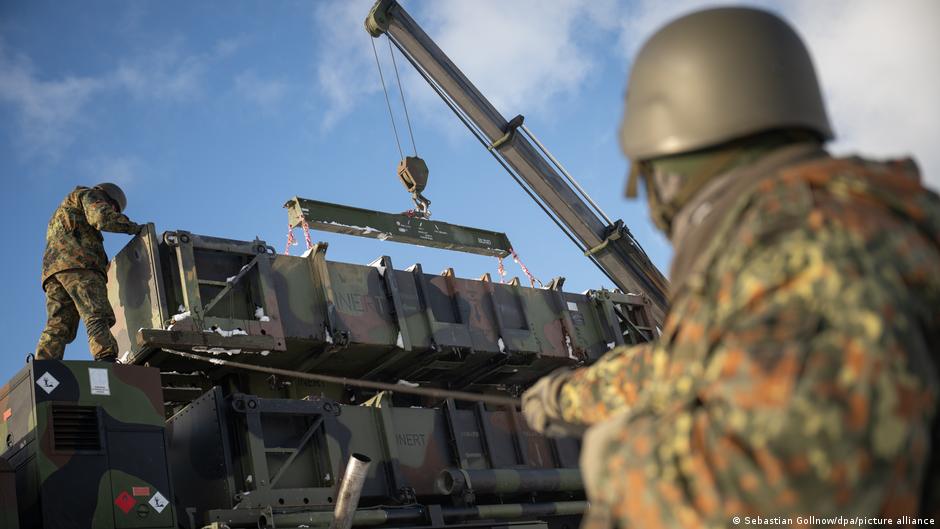
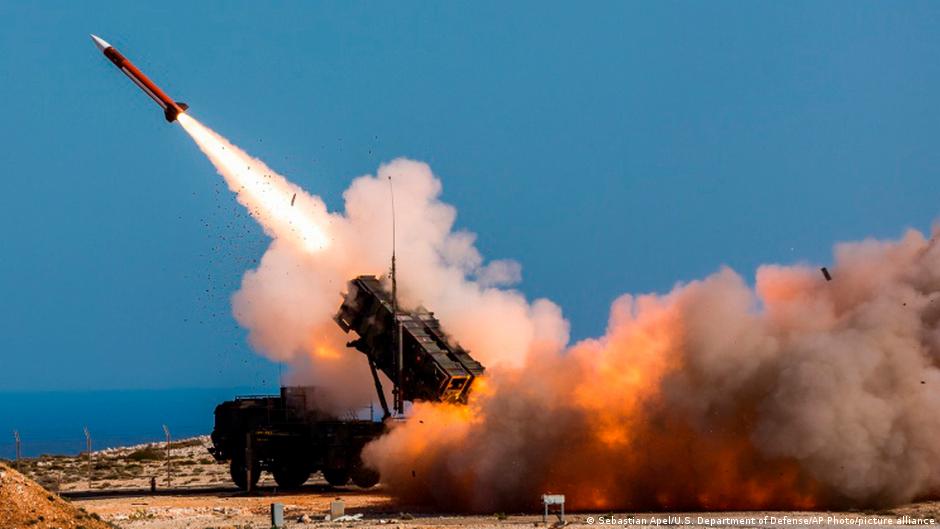
Concerns over Ukraine’s potential to produce Patriot missiles raise questions about defense spending, supply chains, currency impacts, and investor risks affecting households globally.

Russian attacks in Ukraine’s Dnipropetrovsk and Kharkiv regions cause civilian casualties and damage to infrastructure, intensifying financial hardships for affected households.

Germany faces growing hybrid warfare threats, including drone attacks, impacting national security and posing risks to household budgets, savings, and investor confidence.

Drone attacks in Belgorod injured 13 and damaged homes and infrastructure, raising concerns over household financial burdens and local economic stability.

US Senate sanctions targeting Russian energy exports may drive higher fuel prices and inflation, affecting household budgets and investors worldwide.

Recent Russian missile strikes in Kyiv's Brovary district caused civilian deaths, injuries, and property damage, intensifying financial pressures on local households and services.

Ukrainian and Serbian presidents meet in Belgrade, focusing on economic and energy cooperation that may influence household budgets and consumer costs in both countries.

Lithuanian defense warns of possible Russian drone attacks on Baltic infrastructure, highlighting risks to household budgets and financial stability in the region.

US missile supplies are strained by aid to Ukraine, prompting concerns about increased defense spending and potential impacts on household budgets and consumer finances.

The August 1 explosion in a Moscow restaurant highlights severe personal and financial consequences for victims’ families, affecting household budgets and investor confidence.

Ukraine's 40-day operation against Russian energy infrastructure disrupts fuel supplies, raising global prices and impacting household budgets and investors worldwide.

Over 8.4 million Ukrainians live abroad due to ongoing conflict, impacting household finances, savings, currency stability, and investment prospects within Ukraine.

Renewed Russian missile attacks on Kyiv and surrounding regions cause civilian casualties and disrupt local economies, straining household budgets and defense capabilities.

Ukraine’s unlikely NATO membership shifts security alliances, impacting household budgets, currency stability, and the economic outlook for everyday investors.

US-Iran talks resume August 3 as military strikes are postponed, affecting oil prices, currencies, and household budgets globally amid ongoing geopolitical tension.

The Zaporizhzhia Nuclear Plant’s repeated power outages threaten regional energy stability, pushing up costs and straining household budgets amid ongoing conflict.

Russian missile strikes on Kyiv cause fatalities and damage, impacting household budgets and local economies amid ongoing conflict.

Russia’s use of North Korean ballistic missiles in Ukraine raises global concerns over economic stability, affecting household budgets, currencies, and investor confidence worldwide.

The US-declared Hamas disarmament deal signals potential easing of Middle East tensions, likely impacting global currencies, commodity prices, and investment markets.

Ukraine’s fourth F-16 fighter jet crash highlights rising military costs and financial pressures affecting national budgets and household economies amid ongoing conflict.