EU Vows Ongoing Support for Ukraine Amid Conflict, Impacting European Economies and Consumers
The EU pledges continued assistance to Ukraine, signaling prolonged sanctions on Russia with implications for household budgets and currency markets.
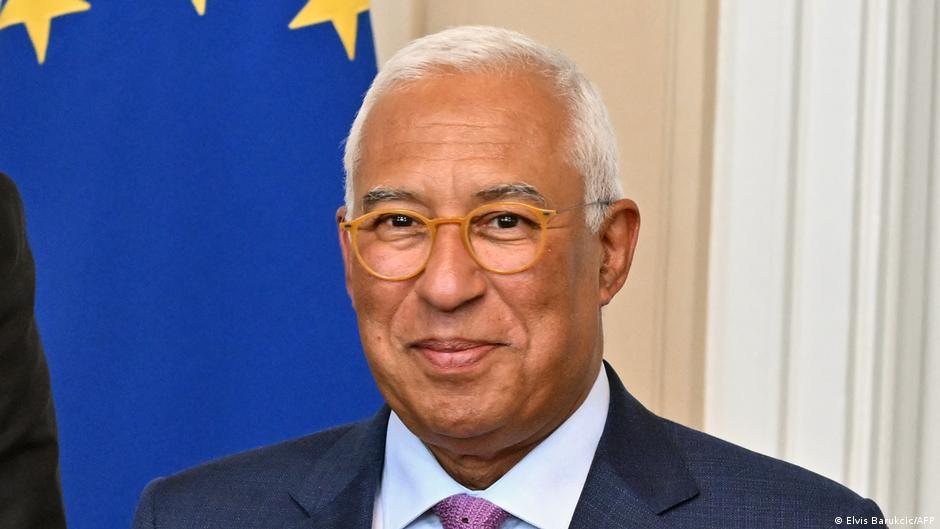
In a statement coinciding with Ukraine's Independence Day on August 24, the European Union reaffirmed its commitment to sustained support for Ukraine amid ongoing conflict with Russia. The declaration by European Council President António Costa underscores the EU's readiness to maintain pressure on Russia through sanctions and emphasizes the long-term vision of Ukraine's integration into the EU.
Economic and Financial Implications for Households and Investors
António Costa highlighted that the EU will provide aid to Ukraine "as long as necessary," extending support through wartime, peace negotiations, and post-conflict reconstruction phases. This extended geopolitical tension and economic sanctioning exert significant ripple effects across European economies, influencing everything from household budgets to currency stability.
Continued sanctions on Russia are expected to keep energy prices elevated, as Europe remains partly dependent on Russian oil and gas exports. Households across the continent may thus face higher utility and fuel costs, tightening consumer spending and increasing inflationary pressures.
Moreover, the financial markets are likely to experience heightened volatility given the uncertainty surrounding the conflict’s resolution. For everyday investors, this environment demands cautious portfolio management as currency fluctuations—particularly involving the euro, Russian ruble, and Ukrainian hryvnia—can impact savings and investment returns.
"The future of Ukraine within the European Union is the best guarantee of security and long-term democratic stability for both Ukraine and Europe," stated António Costa.
European leaders, including German Chancellor Friedrich Merz, French President Emmanuel Macron, and British Prime Minister Rishi Sunak—on his first overseas trip since taking office—are convening in Kyiv to demonstrate solidarity and coordinate ongoing support. Their engagement signals continued political will to back Ukraine, which could translate into sustained or increased financial assistance and associated economic commitments.
For consumers and investors, the evolving situation necessitates vigilance. Currency markets may continue to fluctuate as geopolitical developments unfold, while inflationary trends linked to energy costs and supply chain disruptions could persist in affecting everyday expenses. Households may need to adjust budgeting strategies to accommodate potential price volatility.
In summary, the EU's commitment to Ukraine signals a protracted period of geopolitical and economic complexity. While aimed at securing democratic stability and peace, the measures and their consequences extend into personal finances, requiring individuals and investors to stay informed and adaptable.