Ballistic Missile Attack on Kyiv Raises Concerns Over Household Financial Security
Recent missile strikes in Kyiv cause casualties and infrastructure damage, impacting local economies and everyday finances.
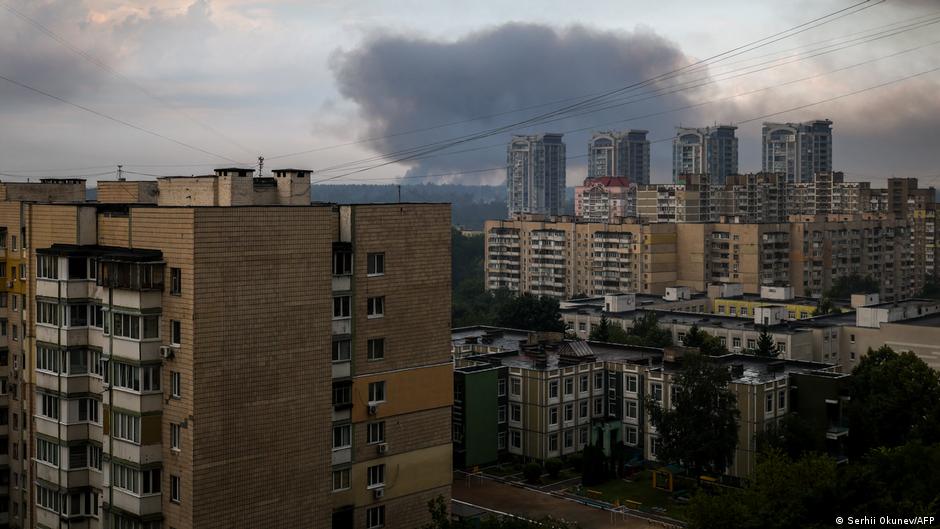
In the early hours of August 20, Kyiv was struck by ballistic missile attacks that resulted in at least five fatalities and numerous injuries, according to local authorities. This latest assault not only caused tragic loss of life but also significant damage to residential and medical buildings, raising pressing concerns about the broader financial implications for households and everyday citizens.
Damage to Residential Areas and its Economic Ripple Effects
The attacks hit multiple residential zones, including a five-story apartment building in the Solomianskyi district, where debris shattered windows and ignited a fire. Additionally, a nine-story residential building suffered heavy damage, with its upper floors destroyed. The destruction of homes directly affects household budgets, as families face the immediate costs of emergency repairs, temporary relocation, and potential long-term displacement.
"14 individuals were hospitalized, with many others requiring on-site medical aid," reported the Kyiv city mayor, highlighting the human toll alongside property losses.
The damage to homes disrupts daily life and can lead to increased expenses for affected families, including utility repairs, replacement of belongings, and potential loss of income if workplaces are damaged or commuting becomes difficult.
Impact on Healthcare Infrastructure and Community Resources
Among the damaged structures is a children's hospital, where vehicles on the premises caught fire due to the attack. The compromise of medical facilities during such times is particularly alarming, as it strains healthcare services and may increase out-of-pocket costs for families seeking treatment elsewhere.
Moreover, fires broke out in non-residential buildings in other districts, such as Darnytskyi and Sviatoshynskyi, further straining local resources and potentially disrupting community services.
Broader Financial Implications for Households and Investors
Infrastructure damage and ongoing conflict can depress local economies, affecting currency stability and inflation rates. Households may see a decline in savings value due to inflationary pressures, while everyday investors could face increased market volatility. The destruction of warehouses in the Kyiv region exacerbates supply chain disruptions, potentially leading to higher prices for consumer goods.
For individuals managing personal finances, these events underscore the importance of emergency preparedness, diversified savings, and cautious investment strategies during periods of geopolitical instability.
As households navigate the immediate aftermath of the missile strikes, the interplay between safety, economic stability, and financial planning becomes increasingly critical.