ICAO warning on conflict-zone flights raises travel and insurance stakes
A new ICAO call for stronger protections over conflict zones could affect ticket prices, travel risk, insurance costs and investor sentiment around airlines.
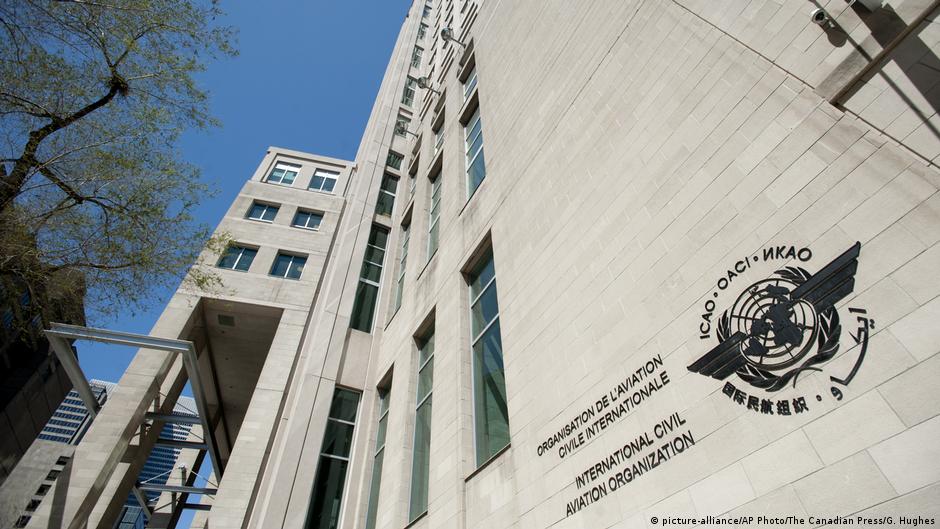
The International Civil Aviation Organization, the UN body that sets global standards for civil aviation, has urged countries to take stronger steps to protect civilian aircraft flying near conflict zones. The appeal followed a formal notification from Ukraine warning that Russia’s airspace has become unsafe because of intensified military activity.
For households and consumers, the development matters beyond diplomacy and aviation policy. When international regulators warn about growing risks to passenger aircraft, the effects can filter through to airfares, travel planning, insurance pricing and, in some cases, currency and market sentiment. For everyday investors, it is also the kind of security warning that can weigh on airline, airport and travel-sector outlooks, even when flights continue to operate.
ICAO said in a statement published on Wednesday, September 2, that all countries should assume firmer obligations to protect civilian aircraft from risks linked to conflict zones. The organization, which has 193 member states, did not directly name Russia or Ukraine in its appeal. Instead, it said the call reflected a growing global threat from the use of weapons against civilian aircraft and a heightened risk that such planes could become direct targets or be caught in crossfire.
The organization listed several dangerous technologies, including drones, long-range weapons systems, air defense systems and devices used to create radio-frequency interference for navigation systems. Those threats are not abstract for passengers or carriers. They can alter route planning, require last-minute operational changes and increase the complexity and cost of flying through or around sensitive airspace.
Member states should promptly exchange threat information when particular activity creates risks for civil aircraft, strengthen risk assessment mechanisms and timely decision-making, and improve coordination between military and civil authorities to prevent civilian aircraft from being mistakenly identified as military targets.
That ICAO language is policy-oriented, but the consumer implications are easier to understand in practical terms. If airlines are forced to avoid riskier corridors, flights can become longer, use more fuel and require more operational flexibility. For travelers, that can translate into higher costs over time or reduced scheduling convenience. For families already managing stretched budgets, any increase in travel expenses lands directly alongside other essentials.
Why households and investors may feel the impact
The warning came hours after Ukrainian Foreign Minister Andrii Sybiha said Kyiv had officially informed ICAO that Russian airspace is unsafe because of what he described as increased military activity. “We strongly urge everyone to avoid it,” he said.
Sybiha said Russia was consciously ignoring existing threats caused by its aggression against Ukraine, and that this had already led to several incidents in recent years. Against what he called a sharp escalation of Russian terror against Ukraine, he said Russian airspace was becoming increasingly unsafe. He said Kyiv’s notice to ICAO was intended to prevent unintended incidents.
For consumers, a formal warning of this kind can change behavior even before any broad official closure of airspace. Some travelers may rethink routes involving Russian airspace, while insurers and companies responsible for employee travel may become more cautious. That can affect demand patterns and raise the value of flexibility, whether in ticket booking, travel insurance or choice of carrier.
The market angle is also relevant for small investors. Aviation-related shares often react not only to fuel prices and passenger demand, but also to geopolitical risk. Even when operations remain normal, warnings about airspace safety can pressure sentiment because investors start factoring in rerouting costs, insurance exposure and the possibility of disruptions. Travel companies, airports and insurers can all come under closer scrutiny when security risks rise.
The Ukrainian notification followed a statement made on September 1 by President Volodymyr Zelenskyy, who said the airspace over Russia would gradually close because of Ukrainian drones that Russian authorities do not properly report. Zelenskyy said Russia’s skies were becoming completely unsafe. “We in Ukraine do not want innocent people to die. Therefore we warn our partners,” he added.
Russian President Vladimir Putin called the Ukrainian leader’s remarks an application for state terrorism. Speaking on the night of September 2 after the Shanghai Cooperation Organization summit in Bishkek, Putin said that if such tragedies were to happen, Russia would find a response. “Let no one doubt it,” he said.
Later on September 2, Russia’s Federal Air Transport Agency, Rosaviatsiya, said together with other authorities it was implementing additional measures for the safe use of Russian airspace and for improving the protection of transport infrastructure on the ground. The agency stressed that Russian air transport and its ground infrastructure continued to operate as planned, receiving and dispatching flights, including those of foreign airlines.
That final point is important for travelers and investors alike. The warning from ICAO and the notice from Ukraine do not mean that flights have stopped. Russian authorities said air traffic was continuing in a routine manner. But the combination of official warnings, public security statements and military escalation creates a layer of uncertainty that matters for household financial decisions. Travelers may pay more attention to route information and airline policies, while investors may watch whether aviation risk starts spilling into broader travel, insurance or regional market pricing.
In that sense, the ICAO statement is not just a technical aviation notice. It is also a reminder that conflict risk can move quickly into everyday finances, from the cost and confidence of flying to the way markets price transport and geopolitical exposure.