US Removes Syria from Terrorism Sponsor List, Impacting Global Investment and Currency Stability
Washington’s move to lift sanctions on Syria opens new opportunities and challenges for households, savings, and investors worldwide.
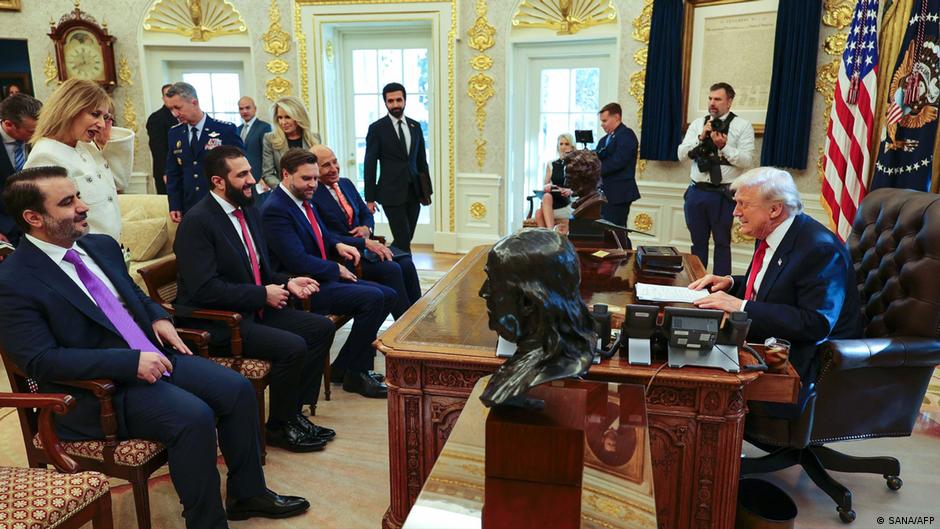
The U.S. State Department has officially removed Syria from its list of state sponsors of terrorism after nearly five decades, signaling a significant shift in U.S. foreign policy and economic relations with Damascus. This decision, accompanied by the lifting of sanctions on the group Hayat Tahrir al-Sham, marks a critical step towards Syria's reintegration into the global economic system.
Effects on Household Budgets, Currency Markets, and Investment Opportunities
The economic normalization of Syria could have ripple effects on global markets and personal finances, particularly for investors and households with indirect exposure to Middle Eastern economic stability. For Syria itself, the removal from the sanctions list means increased access to international investments and financial technologies, which could revitalize the country’s economy after years of isolation and conflict.
Temporary Syrian Finance Minister Mohammed Barnia described the move as a "historic success for Syrian diplomacy," opening doors for deeper integration into the world financial system. This integration may stabilize the Syrian pound and encourage foreign direct investment, potentially improving consumer purchasing power and slowing inflation within Syria, where household budgets have been strained by economic sanctions and war.
"These steps will help attract additional investments in Syria to strengthen political and economic stability," said Scott Bessent, U.S. Treasury Secretary.
For everyday investors and traders, the change could recalibrate risk assessments in the region, affecting currency exchange rates and investment flows. Countries and investors previously wary of engaging with Syria due to sanctions may now explore new opportunities, influencing regional currency dynamics and commodity markets.
However, the geopolitical complexities remain. Despite the diplomatic thaw with the West, Syria’s relations with neighboring Israel continue to be tense, with recent military strikes by Israel and political friction involving Turkish forces complicating the landscape. These factors could contribute to volatility in regional markets and affect the stability of investments tied to Middle Eastern economic recovery.
Additionally, the U.S. decision reflects a broader strategy by the Trump administration to support Syria’s transitional government following the ousting of the Assad regime in late 2024. This includes efforts to encourage transparency, mutual interests, and respect in economic dealings, which could gradually improve investor confidence and consumer conditions.
While the lifting of sanctions may not immediately translate into direct benefits for global consumers, the long-term implications include potential easing of global supply chain disruptions, shifts in energy markets, and new avenues for financial products tied to the region. Households globally may indirectly feel the impact through changes in commodity prices and investment portfolio adjustments.
In summary, the U.S. removal of Syria from the terrorism sponsor list represents a notable pivot with potential consequences for international finance, currency stability, and consumer markets. As Syria moves toward reengagement with the world economy, investors and households alike should monitor developments closely to understand emerging risks and opportunities.