Latvian Authorities Publish List of Companies Trading with Russia Amid Ukraine War
Latvia releases first-ever public registry of 170 firms maintaining trade ties with Russia and Belarus, impacting consumer trust and business transparency.
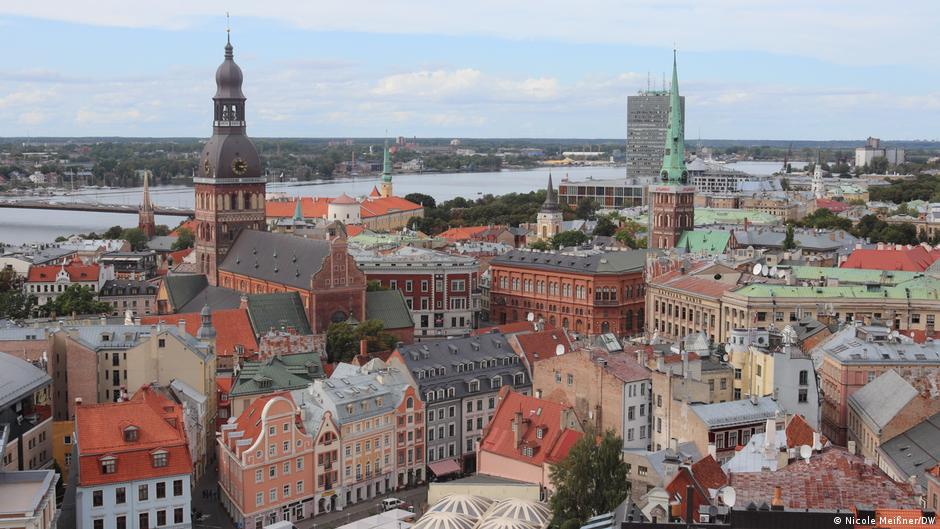
In a groundbreaking move for transparency, Latvian authorities have for the first time publicly disclosed a list of approximately 170 local companies that continue to conduct business with Russia and Belarus despite the ongoing war in Ukraine. The publication of this registry, which occurred on August 20, sheds light on the economic relationships that persist amid geopolitical tensions and sanctions.
Implications for Consumers and Investors
The list includes companies involved in exporting goods to or importing products from Russia and Belarus. Importantly, these firms are not necessarily violating international sanctions; many operate within sectors exempt from restrictions, such as foodstuffs and pharmaceuticals. Nevertheless, the revelation has prompted some Latvian media outlets to label it a "list of shame," signaling reputational risks.
"Now consumers, partners, and other companies can independently decide whether to continue cooperation with those listed," stated government communications.
For everyday consumers and investors, this transparency could influence purchasing decisions and investment portfolios. Knowing which companies maintain economic ties with Russia and Belarus allows households to align their spending and savings with their values, particularly amid widespread public support for Ukraine. Additionally, business partners may reconsider collaborations to avoid reputational harm.
Economic and Currency Considerations
The war and associated sanctions have already introduced volatility in currency and commodity markets in the region. The publication of this list may further affect market confidence, especially for companies exposed to geopolitical risks. Increased scrutiny could lead to shifts in stock valuations and impact exchange rate stability, influencing household budgets indirectly through inflation or currency fluctuations.
Moreover, the Latvian government plans monthly updates of the registry, indicating ongoing monitoring and potential changes in the business landscape. This proactive approach aims to enhance corporate accountability and may encourage firms to reassess their trade relationships.
Since the full-scale invasion of Ukraine, Latvia has implemented various restrictions on imports from Russia and Belarus, and many Latvian companies have voluntarily reduced or ceased trade with these countries. The new registry complements these efforts by providing public insight into remaining economic linkages.
Overall, this development underscores the intertwining of geopolitical events with personal finance considerations. For households and investors in Latvia and beyond, awareness of corporate conduct related to conflict zones has become an increasingly relevant factor in financial decision-making.