Russia Rejects Ukraine Talks Pause as Households Face War-Driven Risks
Lavrov’s comments at the UN underscore how prolonged fighting can keep pressure on energy costs, currencies and investor confidence.
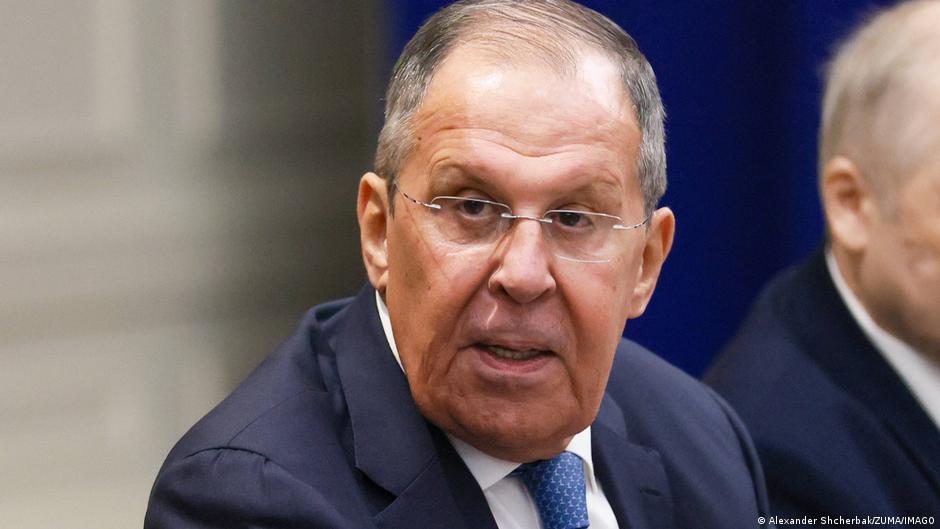
Russia will not agree to any “pause” in its war with Ukraine for negotiations in any format, Russian Foreign Minister Sergey Lavrov said on Wednesday, September 23, during a United Nations Security Council meeting in New York.
The statement matters beyond diplomacy. For households, savers and everyday investors, the signal is that the conflict remains a live source of financial uncertainty. Continued military activity, stalled ceasefire efforts and high-level geopolitical friction can feed volatility in energy markets, currency expectations and risk appetite, even when the immediate battlefield is far from family budgets.
Lavrov made the remarks while in New York for the UN General Assembly. He also met U.S. Secretary of State Marco Rubio before his Security Council appearance. According to Interfax, the talks lasted about an hour. It was the fifth meeting between the two countries’ foreign ministers since 2025.
Russia will not make a “pause” for negotiations with Ukraine in any format, Lavrov said, according to the Russian Foreign Ministry.
Lavrov argued that Europe wanted such a pause “with the same simple aim” of gaining breathing room and replenishing what he described as the depleted military arsenals of the Kyiv government. At the same time, he said Russia was ready for negotiations aimed at achieving what Moscow calls a “sustainable just peace.”
Washington’s position, as stated by Rubio at the UN General Assembly in New York, was that the United States remained prepared to play a constructive role in reaching a ceasefire. The diplomatic language left open the possibility of talks, but Lavrov’s rejection of a pause suggested that any negotiations would not necessarily mean a halt in Russian military action.
Why consumers should watch the diplomatic clock
For consumers, the most immediate financial channel is energy. Russia’s war in Ukraine has repeatedly affected expectations around oil, gas, power prices and broader inflation. Even when supply routes or sanctions do not change overnight, statements from senior officials can shift how traders price risk. That, in turn, can influence fuel costs, heating bills and the inflation assumptions used by central banks.
A refusal to pause military operations during talks can also prolong uncertainty for businesses that depend on predictable transport, insurance and commodity costs. Those expenses often work their way down to shoppers through higher prices for groceries, manufactured goods and services. Households may not feel the impact from one speech, but a longer conflict backdrop can help keep price pressures harder to forecast.
Currency markets are another route into personal finances. Geopolitical risk can move the dollar, the euro and regional currencies as investors look for safer assets or reassess exposure to Europe. A stronger dollar can affect the cost of imported goods in other countries, while currency swings can influence travel budgets, overseas tuition payments, remittances and international investment portfolios.
Everyday investors may also face renewed caution around European equities, defense-linked stocks, energy producers and emerging-market assets. Markets typically dislike uncertainty more than bad news itself. If negotiations remain possible but fighting continues, investors may struggle to price the odds of sanctions changes, ceasefire progress or further escalation.
The source report said Moscow continued strikes on Kyiv as the diplomatic meetings took place in New York. That contrast between public negotiation channels and ongoing attacks is important for markets because it complicates the timeline for any reduction in war-related risk premiums.
G20 invitation adds another variable
Rubio had earlier said the United States invited Russian President Vladimir Putin to attend the G20 summit scheduled for December in Miami. He said that solving problems requires meeting people with whom there are disagreements or certain frictions, which is why Putin had been invited.
Rubio also said the Miami summit would give the Russian leader an opportunity to meet U.S. President Donald Trump and other world leaders. “We hope he accepts this invitation,” Rubio added.
For households and investors, the G20 invitation is not a policy change by itself. But it introduces another date on the calendar that markets may watch for signals. A possible Putin appearance in Miami, and a possible meeting with Trump, could shape expectations around diplomacy, sanctions, ceasefire prospects and the future cost of supporting Ukraine.
None of that provides certainty for household budgets. The practical takeaway is more modest: families managing savings, loans and monthly expenses should recognize that geopolitical headlines can continue to affect financial conditions indirectly. That can show up through mortgage-rate expectations, pension fund performance, gasoline prices, grocery inflation and exchange rates for anyone traveling or holding foreign-currency assets.
For small investors, the same caution applies. The source material does not provide market figures, and Lavrov’s comments alone do not dictate a portfolio decision. But they do reinforce the case for diversification, attention to currency exposure and realistic assumptions about volatility in energy-sensitive sectors.
The central diplomatic message from New York was mixed: Moscow says it is ready for talks aimed at a settlement, but it rejects any negotiating pause with Ukraine. Washington says it is ready to help pursue a ceasefire and has invited Putin to the December G20 summit in Miami. For consumers, the financial significance lies in the gap between those positions. As long as that gap remains open, war-related uncertainty may continue to sit in the background of household budgets and everyday investment decisions.



