Ukraine Graft Agencies Search Prosecutor’s Office in Call-Center Fraud Case
The probe links an official in Ukraine’s prosecutor general’s office to alleged protection of scam call centers and asset laundering.
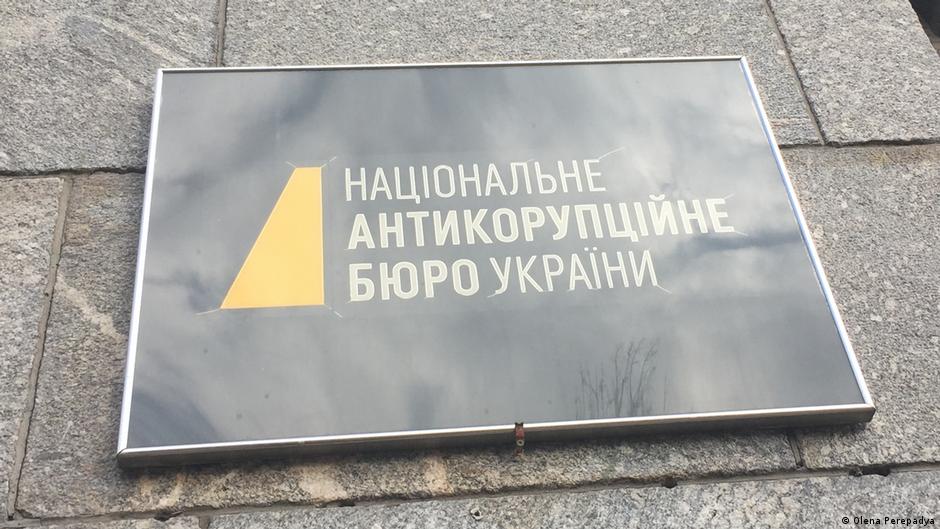
Ukraine’s anti-corruption agencies have announced an operation targeting public officials suspected of involvement with fraudulent call centers, a sector that has become a direct threat to household savings, personal security and trust in financial transactions across the region.
The National Anti-Corruption Bureau of Ukraine, known as NABU, and the Specialized Anti-Corruption Prosecutor’s Office, known as SAP, said they were carrying out an operation to expose a “criminal organization” allegedly involved in shielding a network of scam call centers and legalizing property. According to the agencies’ statement, published on their Telegram channels on Friday, September 4, investigators believe the organization is headed by an employee of Ukraine’s Office of the Prosecutor General.
The agencies said they would provide further details later. On the same day, searches were conducted at the Office of the Prosecutor General. The office confirmed that investigative actions had taken place, while stressing that the suspicions raised by NABU and SAP did not directly concern Ukraine’s prosecutor general, Ruslan Kravchenko.
“The Office of the Prosecutor General will provide the anti-corruption agencies with full assistance and all necessary information within the law,” the office said.
The office also said that the employee whose possible involvement in unlawful activity was being checked would be suspended from official duties for the duration of the pretrial investigation.
Why a corruption probe matters for consumers
For households, the case is not only about an internal government investigation. Fraudulent call centers often target people’s savings, payment accounts and confidence in basic financial communications. In practical terms, the alleged protection of such networks can magnify consumer losses by allowing scam operations to continue longer, reach more victims and convert stolen proceeds into assets that are harder to trace.
The allegations also carry currency and savings implications. In a separate large operation shortly before the NABU and SAP action, Ukraine’s National Police said it had uncovered fraudulent call centers across the country. As a result, the activity of 94 such organizations was stopped. During searches, law enforcement officers seized, among other things, about $2 million, 64,000 euros, gold bars and jewelry.
Those seizures point to how scam networks may store value outside ordinary bank accounts, using foreign currency, precious metals and valuables. For everyday consumers, that detail is a reminder that fraud losses do not always remain in easily reversible payment channels. Once money is converted, moved or laundered through assets, recovery can become much harder.
According to the Ukrainian outlet Ukrainska Pravda, NABU and SAP suspicions fell on Serhiy Kropyva, deputy head of the international legal cooperation department at the Office of the Prosecutor General. The outlet reported, citing sources “in business circles,” that he had been detained.
Journalists also reported searches involving Ukrainian official Oleh Kiper. Kiper previously held various posts in Ukraine’s prosecutor general’s office, and in 2023 he was appointed head of the Odesa Regional Military Administration. Kropyva, before receiving his most recent position in the prosecutor general’s office, served as Kiper’s deputy in the Odesa regional military administration. Before that, Kropyva had also worked in the prosecutor general’s office, in the cybersecurity department.
There has been no official confirmation of the identities of the people affected by the searches or of the suspects.
Stiffer penalties are moving through parliament
The operation came one day after Ukrainian President Volodymyr Zelenskyy sent a bill to the Verkhovna Rada on September 3 proposing tougher punishment for organizing fraudulent call centers and for links to their activity.
Under the proposal, organizers of such call centers could face up to 12 years in prison with confiscation of property. Working in such a place could carry up to 10 years in prison. Recruitment into call centers could be punished by up to five years in prison, while repeated recruitment could carry up to 10 years. Even landlords who rent premises for call centers could face prison terms of up to 10 years under the proposed measures.
For consumers and small investors, the bill reflects a recognition that scam call centers are not a marginal nuisance. They operate at the intersection of personal finance, digital security and organized crime. Victims may be pushed into transferring savings, revealing banking credentials or moving money under false pretenses. When the same networks are alleged to have official protection, the damage can extend beyond individual accounts to public trust in institutions meant to deter fraud.
The issue affects not only Ukrainians but also Russians. The problem became more visible after the start of Russia’s full-scale invasion of Ukraine, as scammers began persuading people they had deceived to carry out various acts of sabotage. Kyiv and Moscow accuse each other of organizing the work of such “sabotage” call centers.
For households, the immediate lesson is caution around unsolicited calls, urgent financial instructions and requests to move funds or share account access. For investors and savers, the case underlines a broader risk: fraud can be sophisticated, cross-border and tied to political conflict as well as ordinary theft. The Ukrainian investigation has not yet produced officially confirmed names of suspects, but the scale of the police seizures and the proposed prison terms show that authorities are treating call-center fraud as a serious economic and security problem.