NATO Prepares to Defend Against Potential Iranian Strikes in Europe Amid Rising Tensions
NATO vows strong deterrence after reports of Iranian plans to target military bases in Bulgaria and Cyprus, raising concerns for European security and economic stability.
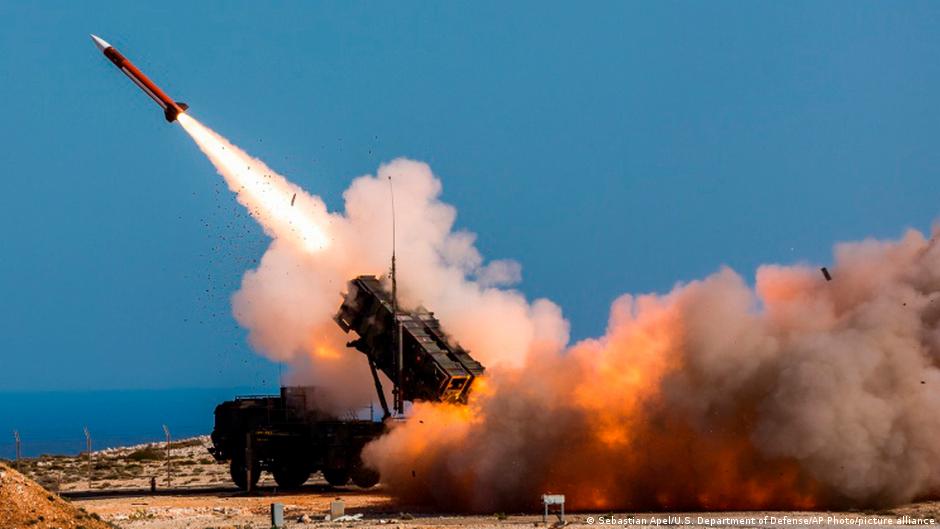
In response to media reports suggesting Iran's potential plans to strike military targets in Europe, NATO has affirmed its readiness to respond to any threats against its member states. The alliance emphasized its commitment to protecting its members and maintaining a robust defense posture amid escalating geopolitical tensions.
An unnamed NATO official told Reuters on August 19 that the alliance's deterrence and defense strategy remains strong and effective. This reassurance comes after reports indicated that Iran might consider attacks on military facilities located in Bulgaria and Cyprus if the conflict with the United States intensifies further.
Implications for European Households and Economies
The possibility of Iranian attacks on European military sites, including airbases used by U.S. and British forces, poses a broader risk that extends beyond military concerns. Bulgaria authorized the U.S. to use its airbase for refueling operations in July, while British airbases are stationed on Cyprus—both of which are potential targets according to recent reports.
Increased geopolitical tensions frequently lead to market volatility, affecting currencies, commodity prices, and investor confidence. European households could experience higher costs for imported goods due to disrupted supply chains or increased energy prices. The potential for conflict escalation is likely to encourage a flight to safety among everyday investors, with increased demand for assets such as gold or stable currencies like the U.S. dollar and Swiss franc.
"Our deterrence and defense strategy is strong and effective," a NATO representative said, underscoring the alliance’s preparedness to protect its members.
Financial markets often react to heightened geopolitical risks with increased uncertainty. Households in affected countries might see rising inflation as energy prices surge, impacting budgets for essentials such as heating, electricity, and transportation. Additionally, disruptions to trade with the Middle East, a key energy supplier, could exacerbate price pressures on consumer goods.
Moreover, the trading suspension announced by the United Arab Emirates against Iran following accusations of missile launches has the potential to further destabilize regional economic ties. This interruption in commerce and financial exchanges adds another layer of uncertainty for markets and investors, potentially influencing currency valuations and investment flows.
While Tehran has not directly commented on the reports of threats to Europe, Iranian military officials have issued warnings to Gulf states cooperating with the U.S., blaming them for facilitating attacks on Iranian territory. Such statements contribute to the overall climate of tension, which may weigh on investor sentiment and consumer confidence across the region and beyond.
For everyday Europeans, the unfolding situation means keeping a close eye on market developments and considering diversification of savings and investments to mitigate risks associated with regional instability. Household budgets may need adjustment in anticipation of possible price increases and currency fluctuations driven by geopolitical uncertainty.