Trump Expects Iran Talks as Strait of Hormuz Dispute Keeps Markets on Edge
The White House wants a broader deal covering Iran’s nuclear program, while Tehran is seeking relief tied to shipping and oil exports.
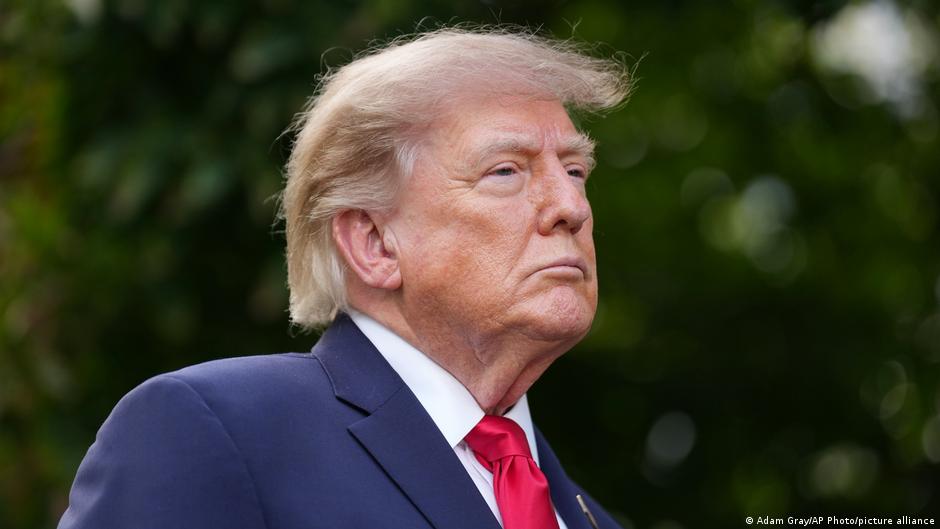
U.S. President Donald Trump said he expects negotiations with Iran to resume in the coming week, keeping households, savers and everyday investors focused on a geopolitical standoff that could shape energy prices, inflation expectations and currency markets. His comments came after the White House rejected a seven-day plan proposed by Tehran to reopen the Strait of Hormuz, one of the world’s most sensitive shipping routes.
Trump made the remarks on Sunday, September 27, in a telephone interview with the U.S. news outlet Axios. The president said Iran wanted an agreement, but not on terms acceptable to Washington. The dispute now sits at the intersection of diplomacy, oil-market risk and household finance: any prolonged disruption around the Strait of Hormuz can add pressure to fuel costs, transport prices and the broader inflation outlook that consumers feel in monthly budgets.
"They want to make a deal, but it is not the deal I want to make," Trump said, according to the report.
Asked whether he was considering renewed strikes on Iran, Trump replied that he was "always thinking about it." That answer is likely to keep a risk premium in markets while investors wait to see whether the next round of diplomacy produces a path toward de-escalation or whether military options remain central to the White House’s approach.
Why Consumers and Investors Are Watching Hormuz
The Strait of Hormuz is central to global energy flows, and even the prospect of constrained shipping can affect oil prices before consumers see any direct shortage. Higher crude prices can feed into gasoline, diesel and jet fuel costs, while businesses facing more expensive freight and energy may pass some of that pressure on to customers. For households already trying to balance rent, food, debt payments and savings goals, another bout of energy volatility can make monthly planning harder.
For everyday investors, the issue is equally practical. Oil-price shocks can move stock markets unevenly, helping energy producers while weighing on airlines, logistics companies and consumer-facing businesses. Bond markets may also react if traders believe higher energy prices will complicate the inflation outlook. Currency markets can shift as investors seek safety or reassess the outlook for countries that import or export energy.
Axios reported that two regional sources, who asked not to be named, also confirmed Trump’s comments about renewed talks. They expect Qatari mediators, who previously took part in meetings involving representatives of Washington and Tehran, to hold meetings as early as September 28 with Iranian Foreign Minister Abbas Araghchi and Trump’s special envoy Steve Witkoff.
The core problem is that Washington and Tehran appear to be entering the talks with different priorities. Tehran wants any negotiations to focus on fully reopening the Strait of Hormuz and lifting the U.S. maritime blockade. Washington is pressing for a broader agreement that includes concessions on Iran’s nuclear program.
That divide matters for personal finance because markets tend to price not only what leaders say, but how far apart the sides appear to be. A narrow shipping deal could calm immediate energy concerns if vessels return to normal passage. A broader bargain involving the nuclear program would be more difficult, but could potentially reduce the longer-term threat of repeated market shocks. A collapse in talks, by contrast, would leave consumers and investors exposed to fresh headlines about strikes, sanctions, blockades and oil export restrictions.
Iran’s Proposal and Washington’s Rejection
Several days before Trump’s Axios interview, Araghchi said Tehran had proposed restoring vessel traffic through the Strait of Hormuz within a week if certain conditions were met, while also restarting talks on a long-term settlement of the conflict. Media reports listed the conditions as a halt to fighting on all fronts, including Lebanon; the lifting of the blockade on Iranian ports; the unfreezing of Tehran’s assets; and the removal of restrictions on Iranian oil exports.
On September 26, Trump said he had rejected Iran’s proposal. He argued that Tehran wanted the strait opened immediately because it was suffering severe losses, but said the proposed arrangement was not acceptable to him. The statement underscored that the White House is not treating the waterway as a standalone issue, but as leverage in a wider confrontation over Iran’s strategic posture.
The Wall Street Journal had earlier reported Trump’s decision to reject Iran’s offer, citing unnamed sources. According to that report, the president also told aides he intended to resume bombing Iran after the congressional midterm elections in November. The Journal’s sources said Trump viewed a new military operation as "highly likely" because he was skeptical Tehran would meet his demand for a complete abandonment of its nuclear program.
For consumers, the immediate takeaway is not a forecast but a risk map. If negotiations resume and make visible progress, energy markets could calm, easing one pressure point on household budgets. If talks stall or military action returns to the foreground, families may face renewed volatility in gasoline and travel costs, while investors could see sharper moves in oil, equities, bonds and currencies.
That does not mean households should make sudden financial moves based on a single weekend of diplomacy. But the situation is a reminder that emergency savings, debt costs and portfolio diversification can become more important when geopolitical risks affect essentials such as fuel and shipping. The next signals may come quickly, with Qatari-mediated meetings expected as soon as September 28 and both sides still divided over whether the first priority is opening Hormuz or negotiating a wider nuclear deal.



