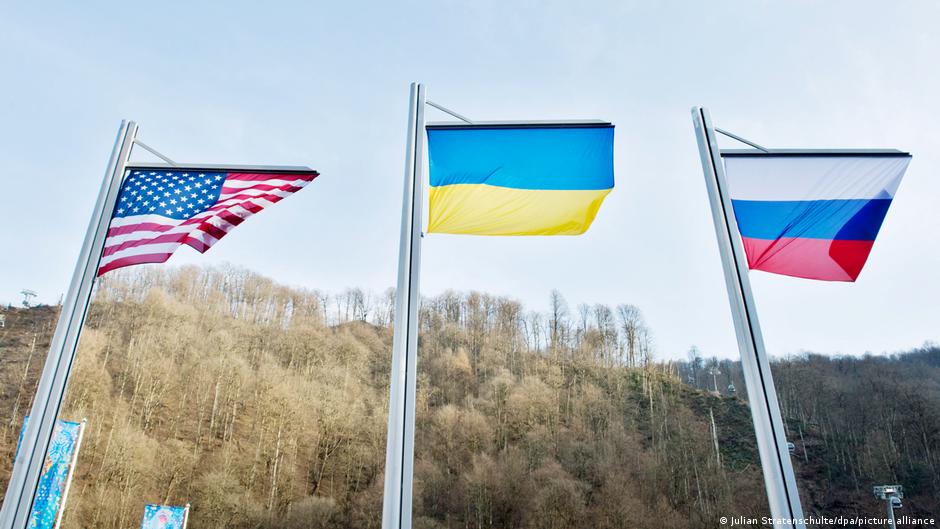
Putin Signals Ukraine Talks but Rejects Front-Line Freeze Proposal
The unresolved diplomatic divide prolongs uncertainty for household energy bills, currencies, savings and retail investment portfolios.
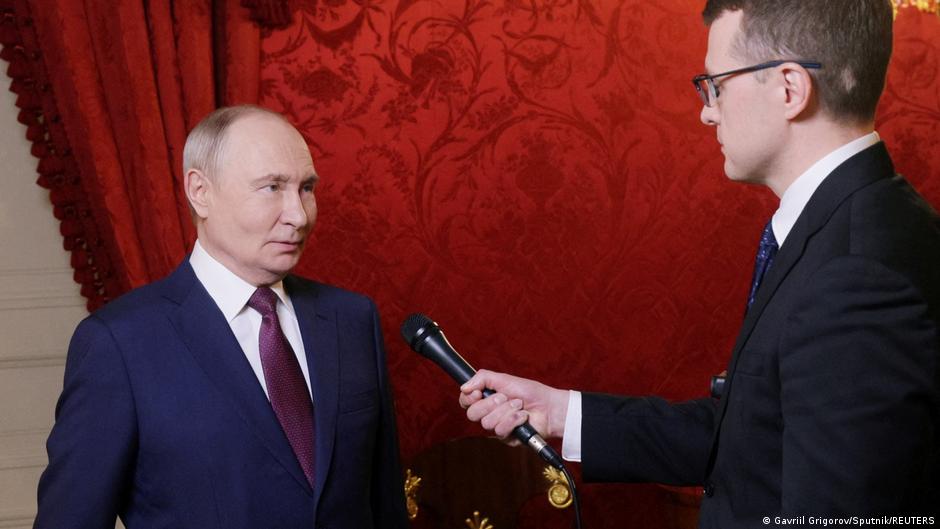
Russian President Vladimir Putin has said Moscow is prepared to resume negotiations with Kyiv through US mediation, while rejecting a proposal to freeze fighting along the current front line. The conflicting signals leave households and everyday investors facing continued uncertainty over energy costs, currencies, inflation and financial markets.
In an interview with Pavel Zarubin of Russia’s state media holding VGTRK, published on Thursday, October 22, Putin said he had agreed during a meeting with US special envoy Steve Witkoff to renew dialogue with Kyiv under Washington’s mediation. He described the intended format as trilateral talks aimed at reaching a lasting settlement rather than arranging a temporary interruption in combat.
“The purpose of these negotiations will be to discuss ensuring the security of Ukraine and Russia after peace agreements are reached, in their final form, rather than as a result of suspending hostilities for some short period,” Putin said.
Russia has not disclosed what level of representation it would send to negotiations following Putin’s meeting with Witkoff. Ukrainian President Volodymyr Zelensky has said he is ready for a trilateral meeting with Putin and US President Donald Trump to discuss ending the war. The Kremlin has repeatedly rejected that format or attached conditions that Kyiv did not regard as a serious basis for a meeting, including a proposal that Zelensky travel to Moscow.
Previous meetings between a delegation selected by Putin and Ukrainian representatives produced no tangible progress toward ending the war. Hours after the Putin-Witkoff meeting, Kremlin aide Yuri Ushakov also said Russia was “completely dissatisfied” with proposals brought by Trump’s negotiators.
Why the diplomatic gap matters for household finances
For consumers, the central issue is whether negotiations can reduce the risk of a prolonged or escalating conflict. War-related uncertainty can feed into household budgets through energy and food prices, transport costs and borrowing conditions. It can also affect currencies and the value of savings or investment portfolios exposed to European markets, commodities and geopolitical risk.
A durable peace agreement could ease some of that uncertainty, but Putin’s rejection of a front-line freeze shows that the parties remain divided over territory and the terms of any halt in fighting. That makes it difficult for households or investors to treat the latest comments as evidence that an agreement is imminent.
Asked about Zelensky’s statement that Ukraine was prepared to freeze hostilities along the current line of contact, Putin replied: “It is not their territory; it is the territory of historical Russia.” Media reports previously said Trump supported freezing the fighting along the Donbas front line in 2025, before meeting Putin in Anchorage. That option conflicts with Putin’s publicly stated demand that Ukraine surrender all of Donbas to Russia without a fight.
For everyday investors, the distinction between a temporary ceasefire and a final settlement is significant. Markets may react quickly to diplomatic headlines, but the absence of agreement on territory, representation and security arrangements means sharp reversals remain possible. Savers with diversified portfolios may therefore see continued volatility across currencies, energy-linked assets and European shares, even when individual developments briefly improve sentiment.
Peace claims contrasted with continued attacks
Putin also claimed that Russia “does not want to fight” Ukraine and placed responsibility for the continuation of hostilities on Kyiv. Russia launched the war against Ukraine, and Russian forces have continued striking Ukrainian territory.
“We are still ready to reach agreements and seek solutions to this difficult situation. These are people very close to us. The latest genetic studies show that Russians and Ukrainians are one people,” Putin said.
He did not explain how claims about genetics could affect national sovereignty. The assertion also came as the intensity of Russian attacks on Ukraine showed no decline following his meeting with Witkoff.
On the day Zarubin’s interview was published, Ukrainian authorities reported several Russian attacks on civilian sites. The reported targets included a clothing market in Lozova in the Kharkiv region, Kyiv’s historic center, and roads and bridges in different parts of Ukraine. Two people were killed and 34 injured in the strike on Lozova.
The continuing attacks underscore the gap between diplomatic language and conditions on the ground. For households, that gap means the financial consequences of the war cannot yet be assumed to be easing. Energy bills, inflation expectations and exchange rates can remain sensitive to military developments, sanctions and the credibility of negotiations.
Consumers and retail investors may therefore need to distinguish between an offer to hold talks and evidence of an agreed route to peace. Putin has expressed readiness to resume contact, but Moscow has not accepted the proposed front-line freeze, has not specified the level of its negotiating delegation and has criticized the proposals delivered by US representatives. Until those differences narrow, geopolitical risk is likely to remain an important factor for family budgets, savings and investments.