Russia’s Shadow Air Fleet in Africa Raises Concerns Over Sanctions Evasion and Economic Impact
A network of Russian military and private aircraft operates flight routes to Africa, potentially affecting global sanctions and increasing financial risks for households and investors.
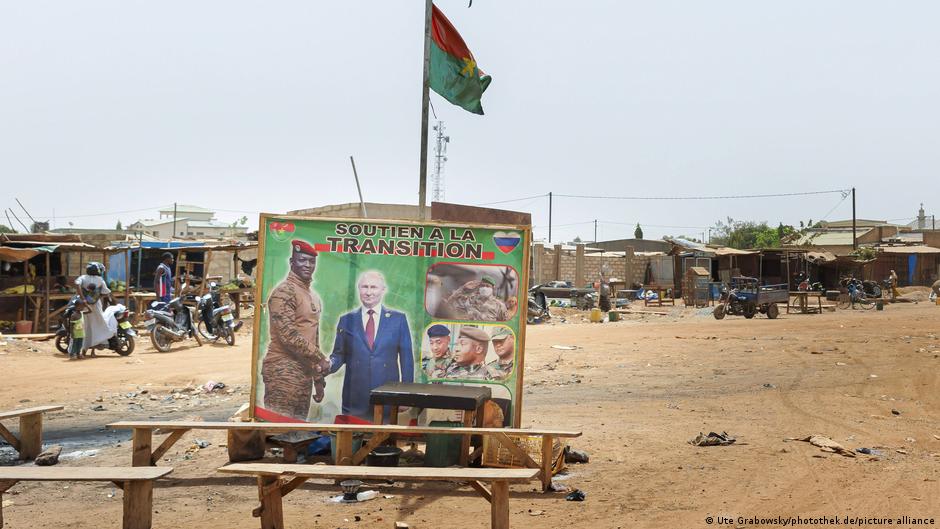
Recent investigations reveal that Russia has established a "shadow air fleet" to supply its military forces operating in the Sahel region of Africa, circumventing Western sanctions. This aviation network involves both military and private aircraft and runs dozens of flights between Russia and African countries such as Mali, Burkina Faso, and Niger.
Operational Scope and Economic Implications
According to detailed analysis by a US-based defense research group, between January 2025 and July 2026, there were at least 75 flights servicing this logistics chain. The network features cooperation among military operators, government agencies, and private transport companies. Notably, this structure resembles Russia's "shadow fleet" used to export oil via maritime routes despite international restrictions.
The primary carrier identified is the 224th Flight Detachment, a state-controlled airline under the Russian Ministry of Defense, which is already under US sanctions. Additionally, companies such as Sapsan Airlines and Liz Aviation, alongside aircraft operated by the Russian Ministry of Emergency Situations (MChS), play key roles. These private carriers have so far avoided sanctions from the EU, US, or UK, suggesting loopholes in enforcement.
Flights often transit through Russian-controlled bases in Syria and Libya or commercial hubs in Turkey, Algeria, and the UAE. This complex logistics system facilitates sustained military support, potentially allowing Russia to continue operations despite global pressure.
"If these aircraft and companies knowingly transport Russian military personnel or cargo to African units, targeted sanctions must be imposed regardless of aircraft registration," urged European Parliament member Tomas Zdechovsky.
Impact on Household Budgets, Savings, and Investors
While the geopolitical ramifications are significant, the complex shadow aviation network also has practical economic consequences for consumers and everyday investors worldwide. Sanctions evasion mechanisms can prolong conflicts and instability, which tend to disrupt commodity markets and currency stability.
For households, persistent geopolitical tensions driven by such covert operations may contribute to inflationary pressures, especially on energy and food prices. The Sahel region is crucial for agricultural exports, and instability there can ripple through global supply chains, increasing costs for consumers.
For savers and investors, uncertainty surrounding sanctions enforcement and emerging countermeasures creates volatility in currency markets and commodity prices. Investors in energy stocks or emerging markets may face heightened risks as sanctions policies evolve in response to these shadow networks.
Moreover, the loopholes exploited by private carriers not currently sanctioned highlight challenges for regulators attempting to contain financial exposure to conflict zones. This complicates portfolio risk management and increases the importance of due diligence in investment decisions related to defense-linked firms and transport sectors.
Outlook and Regulatory Response
European officials have called for urgent reviews of current sanction frameworks to close gaps exploited by Russia’s shadow air fleet. Enhanced monitoring and targeted sanctions against private carriers supporting military logistics could strengthen the effectiveness of economic pressure.
However, tightening restrictions may also have knock-on effects on global aviation services and trade routes, potentially raising costs for international travel and freight. Consumers could see these increases reflected in higher prices for goods and services linked to affected supply chains.
In summary, Russia’s shadow aviation operations in Africa represent not only a strategic challenge for international security but also a source of economic uncertainty. Households, savers, and investors should remain aware of how these geopolitical developments may influence inflation, currency stability, and market volatility in the months ahead.