South Korea-Ukraine Prisoner Dispute Adds New Risk for Markets and Savers
A diplomatic clash over two North Korean prisoners could complicate security ties, defense spending expectations and currency sentiment in Asia and Europe.
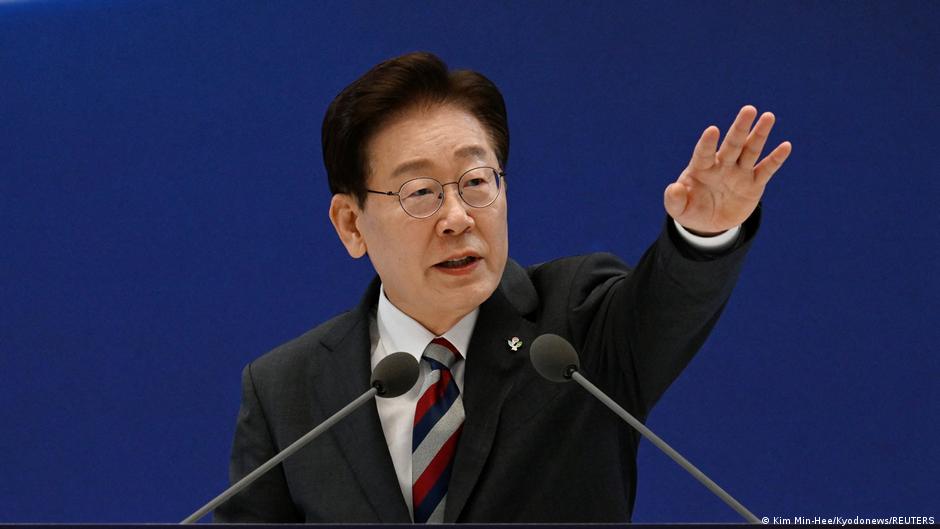
South Korea’s president has warned Ukraine that Seoul will take “further measures” if Kyiv refuses to publicly acknowledge what South Korea describes as a confidentiality agreement over the transfer of two North Korean prisoners of war and to issue an apology. The dispute, while diplomatic in origin, matters for households and investors because it touches several pressure points already shaping budgets: war financing, defense procurement, currency volatility and the stability of trade-facing Asian markets.
President Lee Jae Myung did not specify what measures Seoul might take. But in a post on X in the early hours of Friday, October 2, he accused Kyiv of making South Korea appear to be a liar and framed the issue as one involving national dignity.
“If recognition of the facts and public apologies continue to be rejected, we will take further measures. This is a matter of honor for the Korean people and state that we cannot ignore,” Lee wrote.
The clash began after Ukrainian President Volodymyr Zelensky said at the United Nations General Assembly in late September that Kyiv had transferred two North Korean prisoners of war to South Korea. Seoul sharply criticized Kyiv after that disclosure. Lee previously said making such information public could endanger the prisoners’ relatives in North Korea and negatively affect relations between Seoul and Pyongyang. First Vice Foreign Minister Park Yoon-joo also said Kyiv’s denial of an agreement undermined mutual trust and demanded official explanations and an apology from Ukraine.
Why households should care
For consumers, this may sound distant, but diplomatic stress among Ukraine’s partners can feed into the same channels that have already affected household finances since Russia’s full-scale war began: energy costs, defense budgets, public borrowing, exchange rates and market confidence. South Korea is a major industrial economy, a large exporter and an important defense manufacturer. Any disruption to its security posture or its cooperation with European partners can influence expectations around government spending and procurement, even if no immediate policy change is announced.
So far, South Korea has supplied Ukraine mainly with non-lethal military equipment, including demining equipment. Reuters has noted that some Western countries have recently pressed Seoul to supply lethal weapons to Ukraine as well. That debate has direct financial implications. If South Korea were to shift its policy, defense companies and related suppliers could draw investor attention, while taxpayers and consumers could face broader questions about how governments fund long-running security commitments.
For everyday investors, the immediate issue is not whether a portfolio should react to one diplomatic post. It is that geopolitical risk remains embedded in markets. Currency traders watch tensions on the Korean Peninsula closely because South Korea’s won can be sensitive to regional security news, export expectations and global risk appetite. European currencies and assets can also move when Ukraine-related diplomacy suggests either closer coordination among partners or friction among them.
Kyiv seeks to calm the dispute
Ukraine’s foreign minister, Andrii Sybiha, said in Kyiv, hours before Lee’s post was published, that Ukraine is interested in resolving the diplomatic dispute with South Korea as quickly as possible and continuing cooperation with Seoul. He avoided calling the matter an incident, describing it instead as a diplomatic misunderstanding, according to RBC-Ukraine.
Sybiha said he had been speaking personally every day in recent days with his South Korean counterpart. He stressed that South Korea is an important country for Ukraine and said he hoped for continued momentum, cooperation and concrete results that Kyiv says it is achieving with Seoul.
Ukraine’s presidential communications adviser, Dmytro Lytvyn, has said there was no agreement between Kyiv and Seoul that information about the fate of the prisoners of war could not be disclosed. South Korea’s presidential administration expressed deep regret over those assertions.
On September 28, South Korea’s Yonhap news agency reported that the foreign ministry had summoned Ukraine’s ambassador over Kyiv’s disclosure of information about the North Korean prisoners. On September 30, AFP reported, citing South Korean lawmaker Yoon Kun-young, that both prisoners had arrived in South Korea in mid-September. After questioning and security screening, authorities in Seoul are expected to decide whether to provide them protection and begin the resettlement process.
Defense policy and investor exposure
The dispute also intersects with domestic politics in South Korea. Shin Yul, a political science professor at Myongji University, told AFP that Seoul’s approach to the diplomatic conflict with Ukraine could prove problematic in the context of South Korean domestic politics, given the current administration’s cautious stance toward its nuclear-armed northern neighbor.
That caution matters for markets because North Korea is not merely a diplomatic variable. Zelensky wrote on social media last week that, according to his information, around 8,000 North Korean troops are currently in Russia and another 10,000 are preparing to be sent there and then onward to the war against Ukraine. Those numbers, if they continue to frame public debate, could strengthen pressure on governments to reassess military aid, sanctions enforcement and security spending.
For household budgets, the larger risk is indirect. Longer wars and wider security commitments can keep public finances strained and preserve inflationary pressure in areas such as energy, transport, insurance and commodities. For savers, the issue is portfolio concentration: investors with exposure to Korean equities, defense stocks, emerging-market funds, European assets or currency-linked products may see volatility driven less by company earnings than by political signals.
There is still no stated South Korean measure on the table, and both sides are continuing diplomatic contact. But the dispute shows how quickly a narrow confidentiality argument can become a financial variable. For consumers and investors, the practical takeaway is to treat Ukraine-related geopolitical headlines not as background noise, but as part of the risk environment shaping currencies, government budgets and market sentiment.