Rising Desertion Among Ukrainian Soldiers in Germany Adds Uncertainty to Household Finances
Hundreds of Ukrainian servicemen deserting military courses in Germany since 2022 could impact remittances, currency stability, and family budgets.
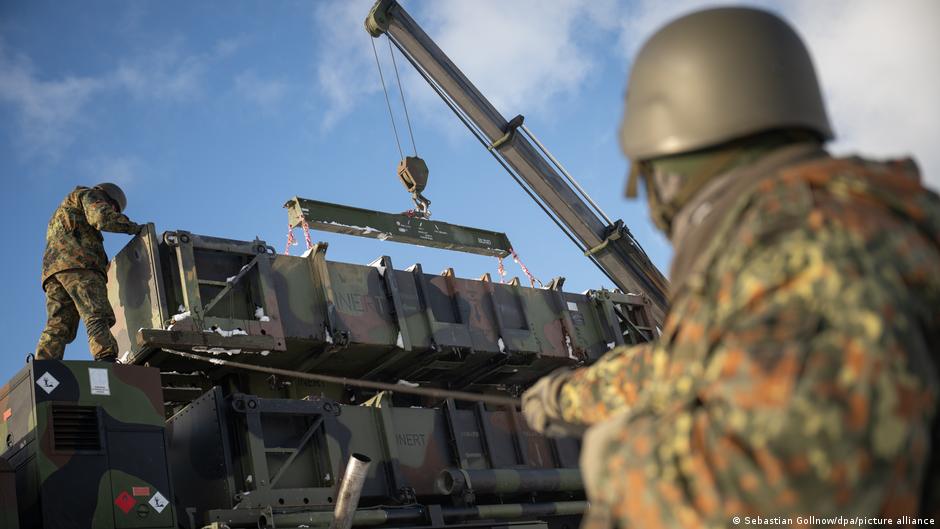
Since 2022, hundreds of Ukrainian soldiers have been deserting military training courses held in Germany, particularly in Saxony-Anhalt, where over 80 such cases were recorded. This growing trend of desertion among Ukrainian servicemen abroad carries significant implications not only for military operations but also for the personal finances of households reliant on remittances and currency stability.
Military Desertion and Its Ripple Effects on Personal Finance
According to German reports, many Ukrainian soldiers sent to Germany for combat training have left their units without permission. These training programs, lasting several weeks and organized since the full-scale Russian invasion began in February 2022, have trained approximately 29,000 Ukrainian personnel. Initially, those attending were highly motivated and often experienced soldiers. However, recent recruits increasingly include individuals with little combat experience and diminished willingness to fight.
"Unlike civilian Ukrainians arriving in Germany as refugees, these servicemen are not covered by protective status, placing them at legal risk back home."
The Ukrainian legal system classifies such unauthorized absences as desertion, punishable by up to 12 years in prison. This legal threat complicates the financial and psychological situation for many soldiers and their families, who often depend on steady income streams and remittances during wartime.
For households in Ukraine and abroad, the desertion wave can disrupt expected financial support. Relatives who might have relied on military stipends or government support linked to active service may face abrupt changes. Additionally, families receiving money from soldiers abroad may experience delays or reductions in remittance flows as deserters face uncertain legal and financial futures.
Currency markets also feel indirect pressure. The Ukrainian hryvnia's stability partly depends on consistent inflows from abroad, including funds connected to military personnel. Increased desertion and the resulting economic uncertainty could reduce such inflows, potentially contributing to exchange rate volatility that affects everyday consumers' purchasing power.
Moreover, the influx of soldiers without combat motivation entering military programs challenges the efficiency and morale of defense efforts, potentially prolonging conflict and its sustained economic toll on households in Ukraine.
Broader Consumer Implications Amid Ongoing Conflict
For everyday investors and savers in Ukraine, the situation introduces further uncertainty. The risk of prolonged conflict, influenced by declining military cohesion, can deter investment and savings growth. Inflationary pressures, supply chain disruptions, and currency fluctuations are likely to persist, affecting the cost of living and the value of savings.
For Ukrainian households, the desertion issue underscores the fragile link between military developments and personal finances. Families dependent on stable income from abroad or military-related sources may need to reassess their financial planning, savings strategies, and currency exposure.
In Germany and other host countries, the desertion cases also raise questions about the support and integration of Ukrainian servicemen. Without protective legal status, deserters face precarious situations, further complicating their financial stability and prospects of lawful employment or social assistance.
As the conflict continues, the intersection of military personnel movements and household economics remains a critical area for monitoring by policymakers, financial advisors, and affected families alike.