France Tightens Visa Issuance Rules for Russian Applicants Impacting Travel Plans
New French visa regulations require in-person applications from Russians, adding pressure on households planning European travel.
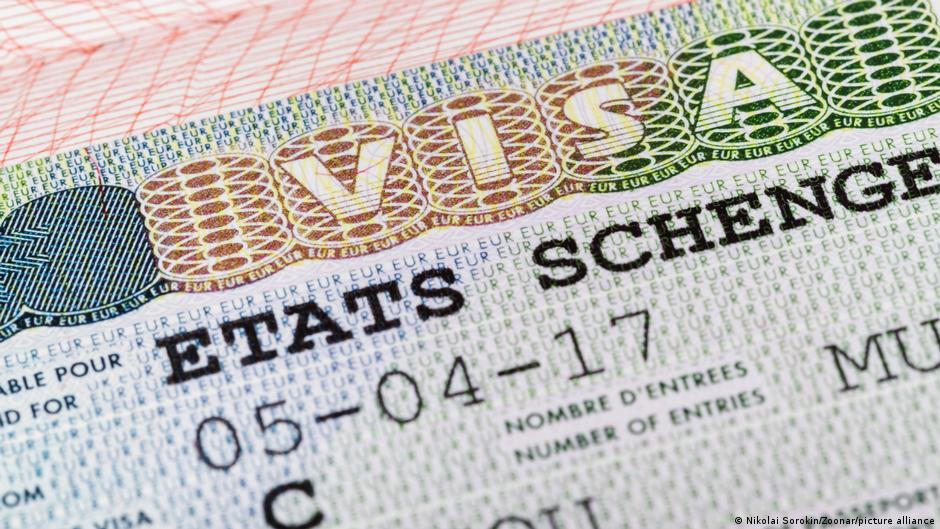
Following similar measures by Italy, Spain, and Hungary, France has announced stricter visa issuance rules for Russian citizens. Starting July 15, the French visa center in Moscow will no longer accept Schengen visa applications submitted via notarized power of attorney.
Impact on Russian Households and Travelers
Under the new regulations, visa applications must be submitted personally or through close relatives. Specifically, only the applicant themselves, their parents or guardians for minors under 18, spouses, children, or parents may submit documents. When relatives apply on behalf of someone else, original documents proving family ties must be presented. Additionally, biometric data collection is mandatory for all applicants over 12 years old, and this biometric procedure must have been completed within the past 59 months.
These changes mean that many Russian families and individuals will face increased logistical challenges and potentially higher costs when applying for travel visas to France and other Schengen countries. The requirement for personal presence or immediate family involvement may limit the ability to delegate the process, affecting those living far from visa centers or with mobility constraints.
"Applicants must now personally sign their application forms and undergo biometric data collection, making the process more demanding for many households."
The tightening of visa rules in France is part of a broader trend in the European Union. Italy's visa processing times have stretched to 60 days due to high demand, while Spain now requires up to 45 days for visa issuance. Hungary has even suspended visa application acceptance in several Russian cities including Samara, Ufa, and Kazan.
For Russian consumers, these developments not only complicate travel plans but may also lead to increased costs associated with repeated visits to visa centers, potential travel delays, and disruptions to planned vacations or business trips. Moreover, these procedural hurdles could discourage some from applying altogether, impacting personal and family connections across borders.
Financially, extended visa processing times and stricter requirements add uncertainty to budgeting for international travel. Households might need to allocate additional funds for travel to visa centers and consider the risk of losing deposits on flights or accommodations if visa approvals are delayed or denied.
In this evolving landscape, Russian travelers and investors should carefully plan ahead, stay informed about changing visa policies, and consider alternative travel arrangements or destinations. For those involved in frequent travel or cross-border business, understanding these new restrictions is critical to mitigating their impact on everyday finances and long-term budgeting.