EU Slashes Duty-Free Steel Import Quota by Nearly Half, Raising Costs for Consumers
New EU steel import limits cut quota by 47% with 50% tariffs on excess, impacting household budgets and markets.
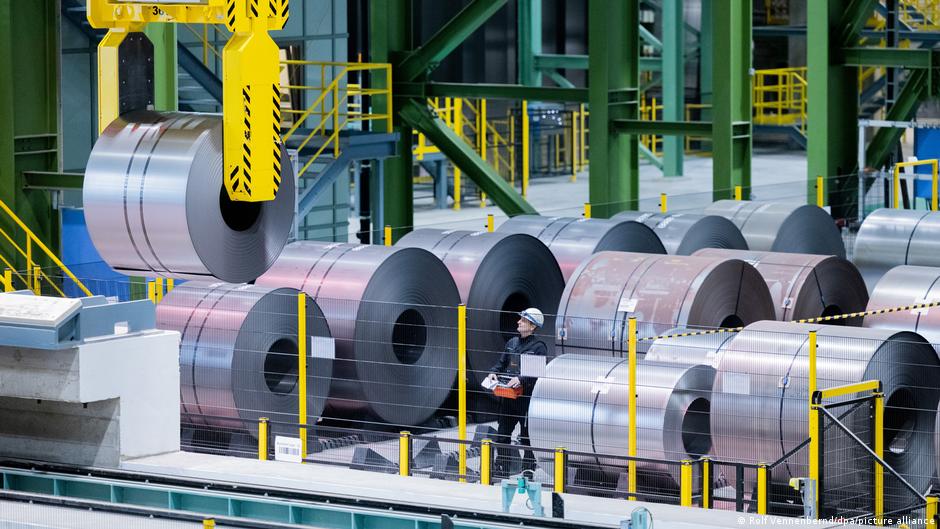
On July 1st, the European Union implemented stringent new regulations on steel imports aimed at protecting its domestic steel industry. The duty-free import quota for steel has been reduced by approximately 47%, now capped at 18.3 million tonnes annually. Steel shipments that exceed this quota will be subject to a 50% tariff—double the previous tariff rate.
Impact on Consumers, Investors, and Household Budgets
This significant reduction in duty-free steel imports is expected to reverberate beyond the industrial sector, reaching everyday consumers and investors. Steel is a foundational material in construction, automotive manufacturing, and consumer goods. Increased import tariffs are likely to push up costs for manufacturers, which could translate into higher prices for end products such as cars, appliances, and building materials.
For households, this means that renovation projects, vehicle purchases, and even the price of everyday goods could become more expensive over time. Inflationary pressures stemming from increased steel costs may also affect savings and disposable income, straining budgets.
Currency markets and investors might also feel the impact as supply chain adjustments and trade restrictions influence commodity prices and corporate profits within the EU steel sector. Investment funds with exposure to European manufacturing or steel production may see increased volatility.
"The EU’s move to restrict cheap steel imports aims to shield local producers but could lead to higher prices for consumers across multiple sectors," said market analysts.
Germany, home to the largest steel industry in the EU, stands to be the most affected. With a steel production volume of approximately 34 million tonnes in 2025, Germany competes with global giants like China, which produced around 961 million tonnes—over half of the world’s steel output that year.
The EU specifically targets China, accusing it of unfair state subsidies that contribute to an oversupply of steel on the global market. These measures are designed not only to protect European manufacturers but also to stabilize the market and ensure fair competition.
To manage import volumes, the EU has introduced country-specific duty-free quotas. Unused quotas can be rolled over to subsequent quarters, offering some flexibility but maintaining strict overall limits.
Consumers and investors should prepare for a period of adjustment as these policies reshape supply chains and pricing dynamics within the EU. While supporting local industry can preserve jobs and production capacity, it may also increase costs that eventually ripple through household finances and investments.