US Strikes on Iran Escalate Regional Tensions, Impacting Global Energy Markets and Consumer Costs
New US military actions against Iran target infrastructure, raising concerns over oil supply disruptions and household budget pressures worldwide.
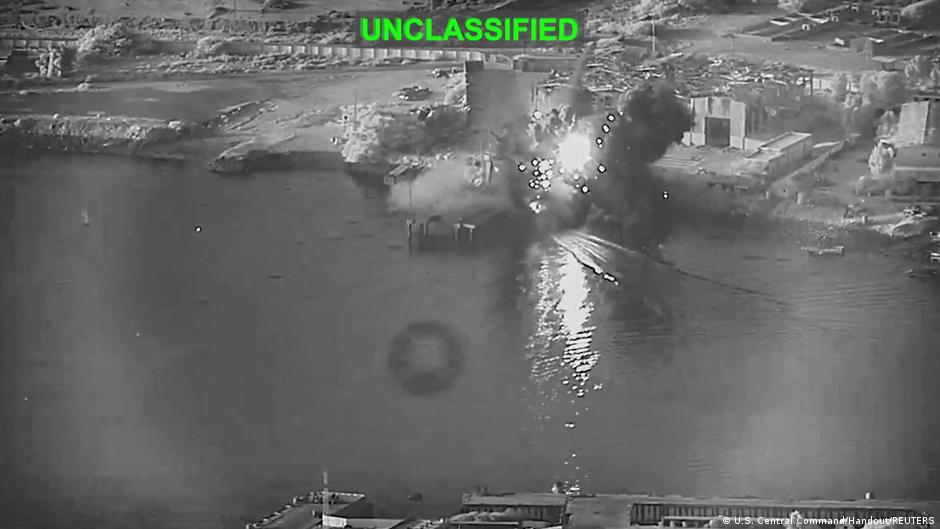
Recent US military strikes on multiple targets in Iran have intensified regional tensions, with potential repercussions for global energy markets and consumer finances. The attacks, aimed at weakening Iran's military capabilities, have struck bridges, airports, and energy infrastructure, causing casualties and raising fears of broader conflict.
Implications for Energy Prices and Household Budgets
On July 16, the US Central Command announced a new wave of strikes targeting Iranian military and civilian infrastructure, including electric substations and port facilities. Iranian media reported damage to bridges in Hormozgan Province, residential neighborhoods in Bandar Abbas, and the vicinity of the country's only civilian nuclear power plant in Bushehr. These actions come amid ongoing tensions following a recent drone attack on a civilian tanker passing through the strategic Strait of Hormuz.
Energy markets reacted swiftly to the news. The Strait of Hormuz is a critical chokepoint through which approximately 20% of the world's petroleum passes. Disruptions or threats to this supply route typically lead to spikes in oil prices, directly impacting fuel costs for consumers globally. Higher fuel prices translate into increased transportation and goods costs, putting upward pressure on household budgets and inflation rates.
"The continuation of military action raises the risk of oil supply interruptions, which can exacerbate inflation and strain household finances worldwide," said an energy market analyst.
For average consumers and investors, these developments signal potential volatility in energy prices and currency markets. Rising fuel costs could reduce disposable income, affecting spending on other essentials and savings rates. Additionally, increased geopolitical risks often lead to fluctuations in currency valuations, which may impact investors holding foreign assets or currencies.
Financial Market Volatility and Investor Caution
The ongoing conflict has prompted heightened caution among everyday investors. Stock markets in affected regions have seen increased volatility, with energy and defense sectors reacting to the evolving situation. Investors with exposure to Middle Eastern assets or energy commodities face growing uncertainty, which could influence portfolio returns and risk profiles.
Furthermore, currencies of countries in the Gulf region, including the Iranian rial and neighboring Gulf Cooperation Council (GCC) currencies, may experience fluctuations due to geopolitical risks and potential disruptions in trade and oil exports. Such currency volatility can affect import prices and inflation, impacting consumers in these nations directly.
Governments in the region, including Kuwait and Bahrain, have reported defensive measures against missile and drone attacks, indicating a potential escalation in hostilities. Continued instability threatens to prolong uncertainty in energy supply chains and financial markets.
Conclusion: Preparing for Economic Ripple Effects
As the US-Iran conflict escalates, consumers and investors worldwide should brace for potential economic ripple effects. Increased energy prices may strain household budgets, reduce savings capacity, and push up the cost of goods and services. Meanwhile, market volatility calls for cautious portfolio management and awareness of geopolitical risks.
Monitoring developments in the region and understanding their connection to everyday financial decisions will be crucial for consumers aiming to safeguard their economic well-being amid these geopolitical uncertainties.