Trump Alleges Chinese Interference in 2020 US Election, Raising Concerns for Voter Data Security
Claims of large-scale voter data breaches highlight risks to personal information that could impact household finances and consumer trust.
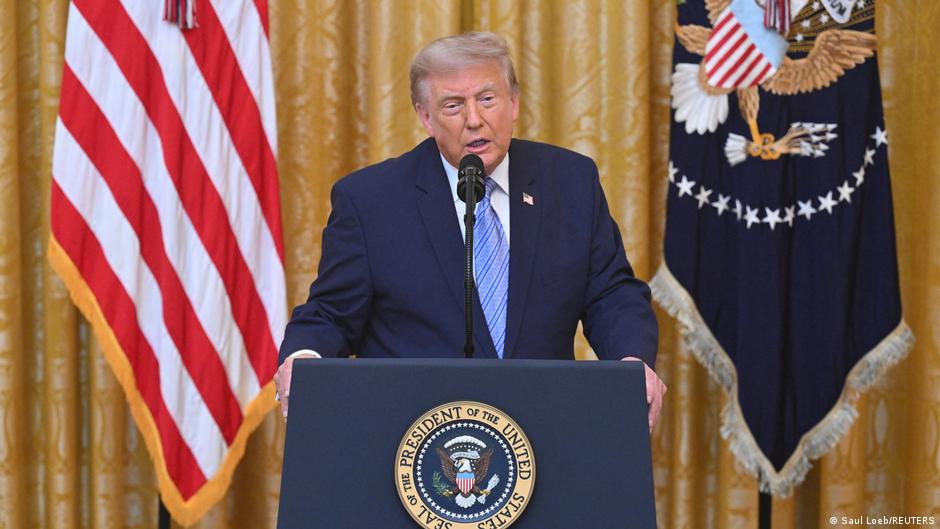
Former US President Donald Trump has publicly accused China of interfering in the 2020 US presidential election by accessing sensitive data of approximately 220 million American voters. In a 25-minute televised address to the nation, Trump revealed alleged "shocking vulnerabilities" within the US electoral system and announced the declassification of intelligence reports pointing to this foreign intrusion.
Implications for Voter Data and Household Security
Trump stated that over several years, starting with the 2020 election cycle, China operated what is believed to be the largest data breach related to US elections in history. The compromised information reportedly includes names, addresses, phone numbers, party affiliations, and other personal details of American voters. This data was either purchased, stolen, or hacked, according to the former president.
Such a massive breach of personal data raises significant concerns beyond electoral integrity, potentially impacting household finances and consumer confidence. The exposure of personal information can increase the risk of identity theft, targeted scams, and fraudulent activities, which can erode savings and strain family budgets.
"China obtained voter information through purchases, theft, or hacking, exposing millions of Americans to potential financial harm," Trump said.
In addition to data vulnerabilities, Trump highlighted that nearly 278,000 individuals registered as voters in four states may have been non-citizens, suggesting further weaknesses in voter registration systems.
Broader Economic and Consumer Impact
Trump alleged that China exploited the stolen voter data to influence the 2020 election outcome, aiming to defeat him as he planned to impose multibillion-dollar tariffs and enhance US military strength. Beyond political consequences, such interference could undermine consumer trust in government institutions and financial systems, potentially affecting currency stability and investment decisions.
For everyday Americans, especially investors and savers, uncertainties surrounding election security and foreign interference may lead to increased market volatility and cautious financial behavior. Households might prioritize safeguarding their assets and personal information, driving demand for enhanced cybersecurity measures and secure financial products.
Trump also warned that other adversaries, including Russia, Iran, North Korea, and non-state actors, could exploit similar vulnerabilities, underscoring the need for robust protections of personal data and electoral processes.
He criticized elements within the US intelligence community, accusing a so-called "deep state" of downplaying and concealing the extent of China's election interference from both the president and the public.
Calling for accountability, Trump directed the Office of the Director of National Intelligence, the Department of Justice, the FBI, and the CIA to investigate why such critical information was hidden, to dismiss those responsible, and to pursue criminal charges where applicable.
As concerns about election security escalate, American households are reminded of the interconnectedness between political events and personal financial wellbeing. Protecting voter data and ensuring transparent electoral processes are vital not only for democracy but also for preserving consumer confidence and economic stability.