CIA Director Highlights High Russian Soldier Mortality in Ukraine Amid Drone Warfare
Rapid losses of Russian conscripts due to AI-enabled drones raise concerns over economic impacts on households and investors.
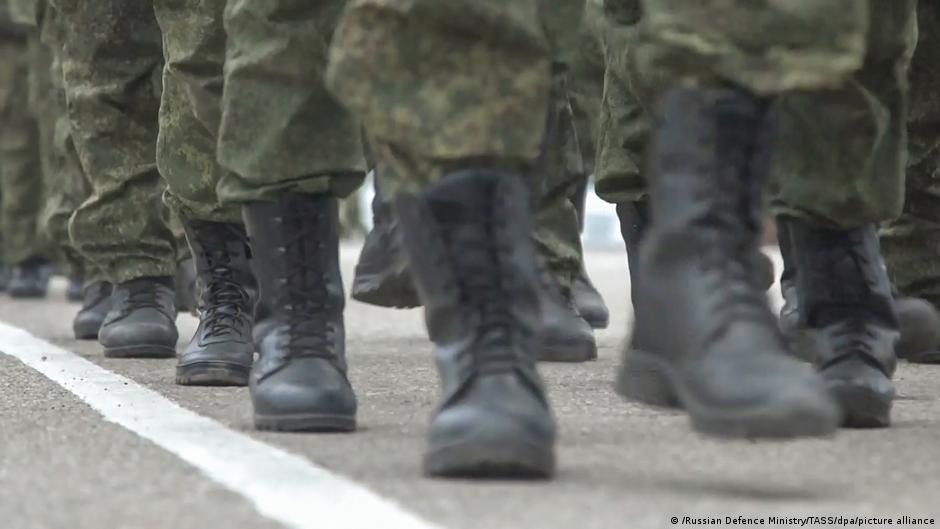
John Ratcliffe, Director of the Central Intelligence Agency (CIA), revealed that the average life expectancy of new Russian conscripts on the battlefield in Ukraine is approximately 20 to 30 minutes. This alarming statistic is linked to advancements in drone warfare empowered by artificial intelligence (AI).
Implications of Drone Warfare on the Conflict and Beyond
Speaking at a Defense and Innovation Summit in Pennsylvania on July 15, Ratcliffe explained that the integration of AI-driven drones has transformed them into highly effective, low-cost killing machines. These technological developments have significantly increased Russian military casualties, particularly among inexperienced conscripts who face immediate threats upon entering combat zones.
"Our intelligence aligns with public reports from Ukraine, showing that drones with AI have become specialized and inexpensive tools of lethal force," Ratcliffe stated.
This shift in battlefield dynamics has also contributed to a slowdown in the Russian army’s advance. Ukrainian forces’ rapid adoption of these new technologies has leveled the playing field, resulting in disproportionate casualty rates.
According to analysis from the Washington-based Center for Strategic and International Studies (CSIS), Russian military losses have surged to eight times those of the Ukrainian armed forces in 2026. Since the full-scale invasion began in February 2022, approximately two million soldiers have been killed, wounded, or are missing in action, with 1.4 million casualties on the Russian side.
The casualty ratio, which previously ranged between two-to-one and three-to-one in favor of Ukraine, escalated to an estimated eight-to-one ratio in the first half of 2026. Notably, over 90 percent of Russian losses are attributed to drone strikes rather than direct ground combat.
Economic and Financial Impacts on Households and Investors
While the human cost of the conflict is devastating, these developments also have profound ramifications for personal finances and the broader economy. The loss of large numbers of conscripted soldiers — many of whom come from working-class families — can directly affect household incomes and savings. Bereaved families may face reduced financial resources due to the loss of primary earners or increased healthcare and support costs for wounded veterans.
Moreover, the protracted military engagement and rising casualty rates could influence investor confidence and currency stability. Increased military spending amid heavy losses may strain Russia’s public finances, potentially leading to inflationary pressures or currency volatility, which in turn could erode savings and purchasing power for ordinary citizens.
For everyday investors, the technological edge demonstrated by Ukraine’s adoption of AI-enabled drones underscores the growing importance of innovation in defense sectors. It also highlights the risks associated with geopolitical instability, as conflict zones become arenas for rapidly evolving warfare technologies that can disrupt markets and global supply chains.
In sum, the interplay between cutting-edge military technology and high casualty rates is not only reshaping the battlefield but also reverberating through economic structures, household budgets, and investment landscapes worldwide.