U.S. Military Strikes in Iran Raise Concerns Over Energy Prices and Household Budgets
Recent U.S. attacks on Iranian infrastructure and retaliatory strikes risk increasing oil prices, impacting consumer costs and savings worldwide.
The escalating military actions between the United States and Iran have significant implications beyond geopolitical tensions, notably affecting global energy markets and, consequently, personal finances and household budgets.
Impact on Energy Prices and Consumer Costs
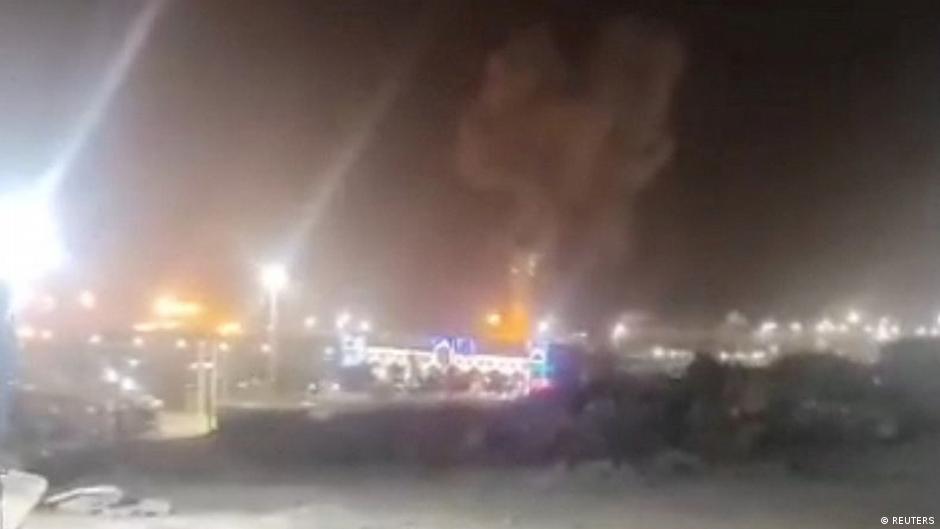
On July 16, the U.S. military launched two waves of strikes targeting Iranian military and infrastructure sites, including key port facilities near the Strait of Hormuz, a crucial chokepoint for global oil shipments. The attacks also damaged an empty oil tanker attempting to breach a maritime blockade in the Persian Gulf.
In retaliation, Iran struck American bases in Bahrain and Kuwait, while several regional countries partially closed their airspaces. Such heightened tensions in the region—responsible for a substantial portion of the world’s oil exports—heighten the risk of supply disruptions.
"The situation will be complex with many pauses and resumptions," noted a U.S. official, reflecting uncertainty over the conflict’s trajectory.
For everyday consumers, this volatility often translates into rising fuel prices at the pump, increased heating and electricity costs, and higher expenses for goods reliant on oil-based transportation and manufacturing.
Consequences for Household Savings and Currency Stability
Energy price surges can erode household discretionary income, forcing consumers to allocate more budget toward essentials like transportation and utilities. This pressure may reduce savings rates at a time when many are already financially vulnerable.
Moreover, geopolitical conflicts tend to impact currency markets. Investors may gravitate toward safe-haven assets, influencing currency exchange rates and potentially increasing the cost of imported goods. For households that engage in foreign investments or hold savings in foreign currencies, this volatility adds an additional layer of financial uncertainty.
Financial advisors caution that individuals should monitor energy price trends closely, consider adjusting their budgets, and if possible, diversify investments to mitigate risks associated with international instability.
Outlook for Everyday Investors
Market analysts highlight that continued military escalation could lead to increased energy sector stock volatility. While some investors might find opportunities in energy stocks during such times, others may face higher risks due to rapid price fluctuations.
Investors and households alike are advised to maintain a long-term perspective, focusing on diversified portfolios and prudent financial planning amid the uncertain geopolitical environment.
In sum, while the military conflict centers on strategic and political objectives, its ripple effects extend deeply into personal finance realms, influencing everything from fuel bills to investment portfolios.