US Plans to Revive Iraq-Syria Oil Pipeline to Bypass Strait of Hormuz and Reduce Iranian Influence
Restoring the Iraq-Syria oil pipeline aims to diversify supply routes, impacting energy prices and household finances globally.
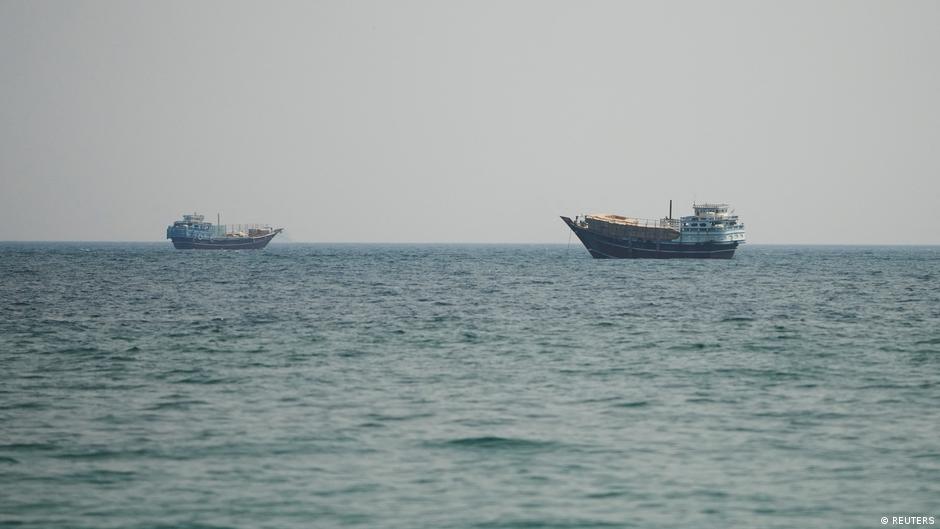
The United States government is actively engaging in negotiations to restore a long-defunct oil pipeline running from Iraq to Syria’s western coast. This strategic move is intended to circumvent the Strait of Hormuz, a critical chokepoint currently under significant geopolitical tension, and reduce Iranian influence over global energy supplies.
Potential Impact on Energy Markets and Household Budgets
The pipeline, which has been inactive for more than two decades, would transport oil from the Kirkuk region in Iraq to the Syrian port of Banias, enabling the export of crude without passing through the volatile Strait of Hormuz. The U.S. sees this as a way to stabilize supply chains and offer a reliable alternative route for oil exports.
For everyday consumers and households, this development could eventually help moderate oil prices by diversifying supply options. With lower risks of disruption due to regional conflicts in the Persian Gulf, energy costs may become less volatile, potentially easing the pressure on gasoline prices and heating costs that directly affect household budgets.
However, the project carries considerable challenges. The pipeline route would traverse areas still affected by instability, including the western Iraqi province of Anbar and eastern Syria, regions where terrorist groups remain active. Investments hinge on the ability of new governments to stabilize these areas post-civil war, which introduces uncertainty to the timeline and cost.
"Investors need confidence in the long-term stability of the region to support infrastructure projects key to global energy supply diversification," industry sources say.
Negotiations involve major U.S. and international energy firms such as Chevron Corporation, TotalEnergies SE, and financial players like Los Angeles-based TI Capital and Qatar’s UCC Holding. The involvement of these companies suggests potential for significant capital inflows into the reconstruction and expansion efforts.
President Donald Trump highlighted these energy partnerships during a meeting with Iraqi Prime Minister Ali al-Zaydi, indicating announcements about new oil collaborations were imminent. These moves coincide with renewed U.S. efforts to control maritime trade routes, including a naval blockade aimed at the Strait of Hormuz, though Trump recently abandoned plans for a 20% tariff on maritime goods in favor of leveraging trade agreements with Gulf states.
Broader Financial Implications
For currency markets and investors, improved oil export routes can influence the U.S. dollar’s strength and impact emerging market currencies tied to oil revenues. A more diversified and secure supply chain can dampen price shocks that ripple through commodities markets, potentially stabilizing investment portfolios exposed to energy price volatility.
While the full economic benefits will depend on geopolitical developments and successful pipeline restoration, consumers globally could see a gradual easing in energy-related costs if the project succeeds, contributing to more predictable household expenses.