Uzbekistan’s Water Reforms Enhance Resource Efficiency and Impact Household Budgets
Uzbekistan’s advances in water management reduce water stress, potentially lowering costs for households and supporting sustainable savings.
Uzbekistan has made significant strides in improving water resource management, achieving accelerated progress toward Sustainable Development Goal 6 (SDG 6) on Clean Water and Sanitation, according to a recent UN report. These advances not only benefit the environment but carry important implications for household finances, consumer costs, and local economies.
Water Efficiency and Consumer Impact
The report highlights Uzbekistan’s comprehensive reforms, including digitalization efforts, deployment of modern irrigation technologies, and increased public-private investments. These measures have led to a substantial reduction in water withdrawals—from 58.9 billion cubic meters in 2017 to 42.5 billion in 2021—cutting the country’s water stress from 169% to 122%. Such improvements help stabilize water supply and reduce inefficiencies that often translate to higher consumer costs.
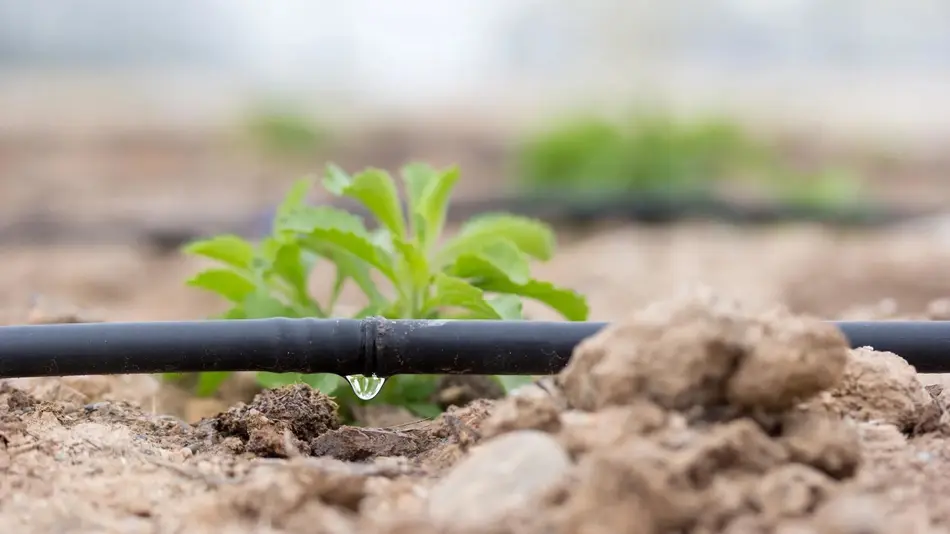
“Expanding the use of drip irrigation and other water-saving technologies is key to reducing agricultural water use, offering practical lessons for other nations facing water scarcity.”
For households, more efficient water use can mean lower utility bills and reduced exposure to water shortages that disrupt daily life and lead to price volatility on food and other essentials. In agriculture, improved irrigation techniques reduce water waste, supporting stable crop yields and potentially moderating food price inflation—a critical factor for household budgets.
Technological Innovation and Financial Benefits
One of the standout innovations is the Tomchi mobile application, which provides farmers with access to information about water-saving technologies, irrigation schedules, subsidies, and loans. By facilitating smarter water management at the farm level, the app helps optimize input costs, increase productivity, and stabilize incomes for small-scale agricultural producers.
Uzbekistan’s broader digital transformation includes real-time monitoring of reservoirs using smart sensors and satellite data from the national space agency, enabling better forecasting of droughts and floods. These advancements reduce water-related risks that can disrupt markets and strain household finances.
Long-Term Economic and Environmental Outlook
The country’s afforestation efforts in the Aral Sea region, planting drought-resistant vegetation to restore ecosystems, also contribute to reducing environmental hazards such as dust storms that impact health and productivity. In turn, healthier populations and more resilient environments support economic stability and reduce unexpected healthcare costs for families.
Uzbekistan’s integrated approach to governance, financing, data management, and innovation underlines the importance of sustainable water use for economic development and household well-being. However, challenges remain, including the need to further reduce water withdrawals and protect groundwater reserves.
As Uzbekistan prepares to showcase its achievements at upcoming international forums, its experience offers valuable insights for other water-stressed countries seeking to balance environmental sustainability with consumer affordability and financial resilience.