Uzbekistan’s Business Reforms Reshape Costs, Taxes and Currency Access
A decade of Uzbek reforms changed taxes, licensing and currency access, with knock-on effects for household budgets, jobs and small investors.

A decade of Uzbek reforms changed taxes, licensing and currency access, with knock-on effects for household budgets, jobs and small investors.

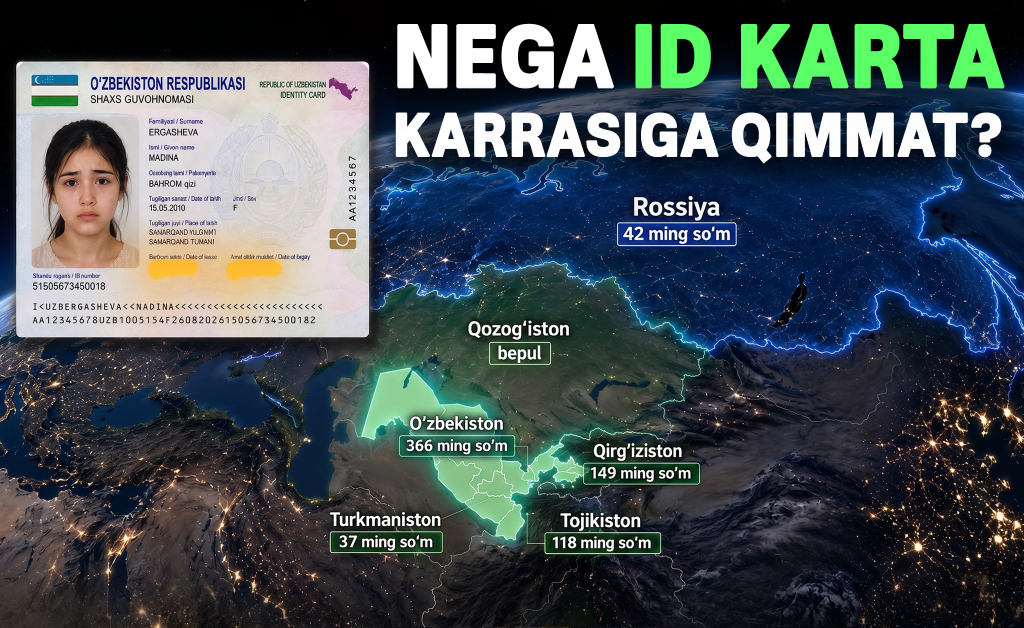
Uzbekistan's fee for a first ID card is under scrutiny after a viral passport-office account, with neighboring countries often charging less or nothing at all.

Uzbekistan’s government auctions its full stake in the Fonon Jewelry Factory’s parent company, which carries substantial debt and uncertain financial prospects for consumers and investors.

Humo payment system’s net profit jumped 3.3 times to 411 billion UZS in H1 2026, reflecting strong revenue growth and rising operational costs impacting consumer finance.
Uzbekistan’s new digital transformation plan introduces a national navigation system and unified public platform, aiming to improve services and reduce costs for consumers and investors.

Uzbekistan’s water reforms improve resource efficiency, potentially reducing costs for households and strengthening financial resilience amid environmental challenges.

AKFA Aluminium plans its first international bond issuance, opening new opportunities and risks for household investors and impacting Uzbekistan's financial markets.

Paxtakor football club faced over 50 billion UZS loss in 2025, with growing tax debts and reduced state funding, impacting public budgets and future of sports financing.

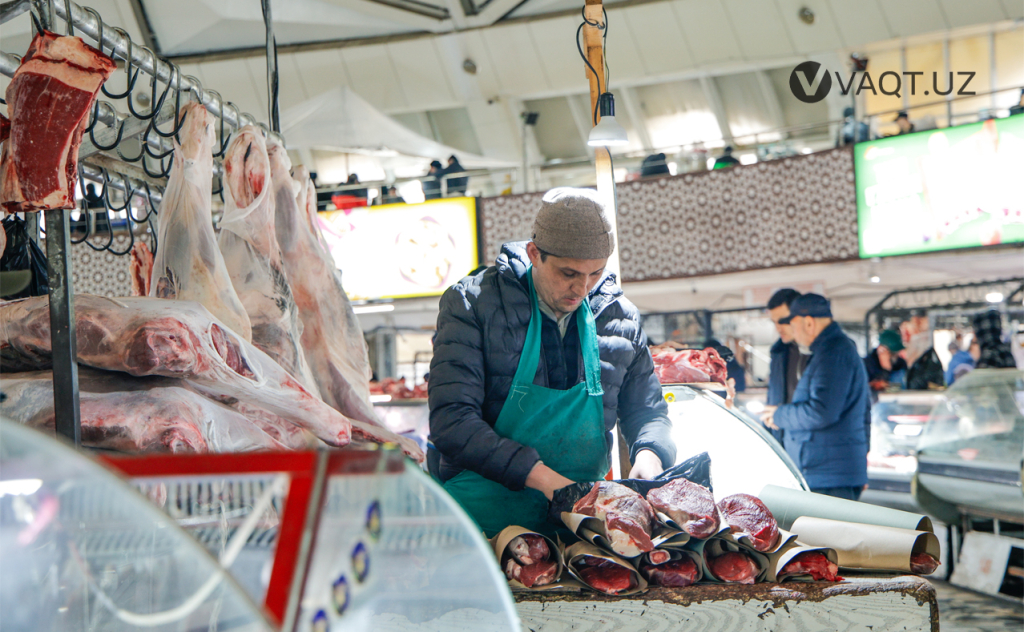
Uzbekistan's rising meat imports amid slowed domestic production are driving higher prices that increase household food expenses and strain budgets.

Uzbek banks saw a 30.88% rise in deposits in Q1 2026, with corporate and retail savings fueling growth and boosting confidence in the financial sector.

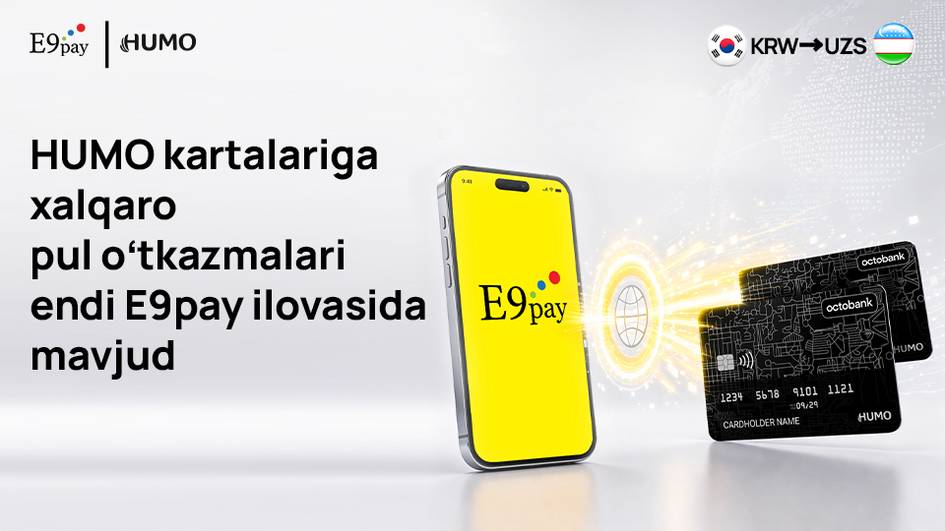
Octobank now enables direct money transfers from South Korea to HUMO cards via E9PAY, easing remittances for Uzbek households and impacting consumer finances.

The Central Bank keeps interest rates at 14% due to persistent food price inflation and external risks, impacting household budgets and savings strategies.

Uzbekistan’s suspension of gold exports for over six months has caused a near 30% drop in exports, impacting currency stability, consumer prices, and household savings.

Uzbek payment companies Click, Payme, and Paynet report significant profit and revenue growth in early 2026, impacting household budgets and digital payment usage.

Uzbekistan’s rising urban divorce rates threaten household finances and savings, posing challenges for everyday investors and consumer economic stability.

Uzbek banks’ credit portfolios grew sharply in Q1 2026, but rising non-performing loans may impact household budgets and everyday investors.

Uzbek banks now must keep a minimum balance on cards during automatic debt deductions, shielding consumers from full depletion of funds and aiding household budget stability.

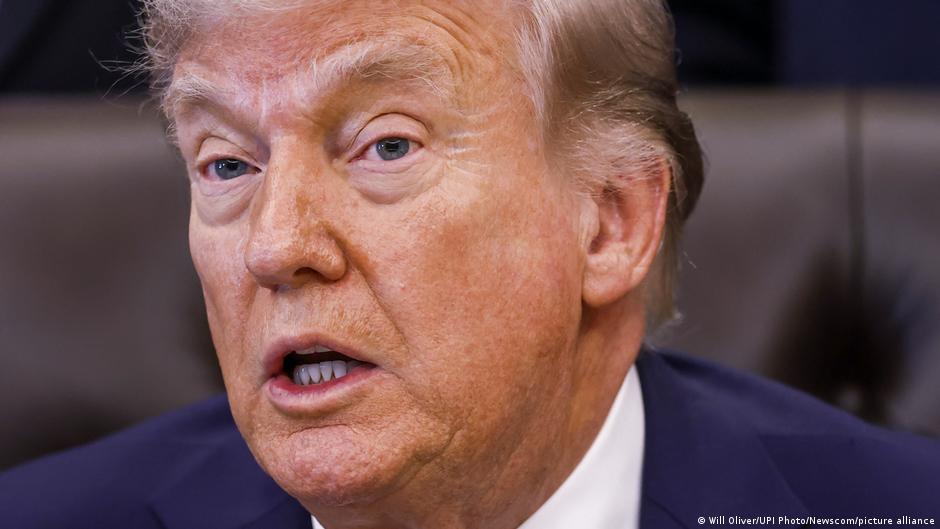
Trump sees Putin’s possible G20 attendance as "useful," but uncertainty over Russia’s participation raises concerns about market volatility affecting households and investors.

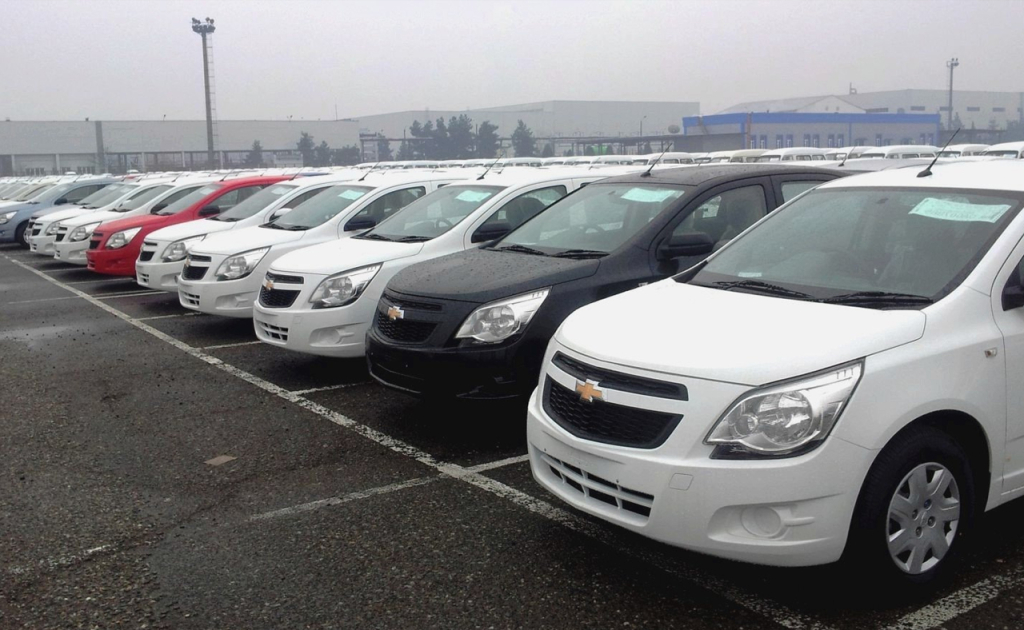
Uzbekistan's car sales surged 19% in March, with new and used vehicles driving consumer spending and affecting household budgets and savings.

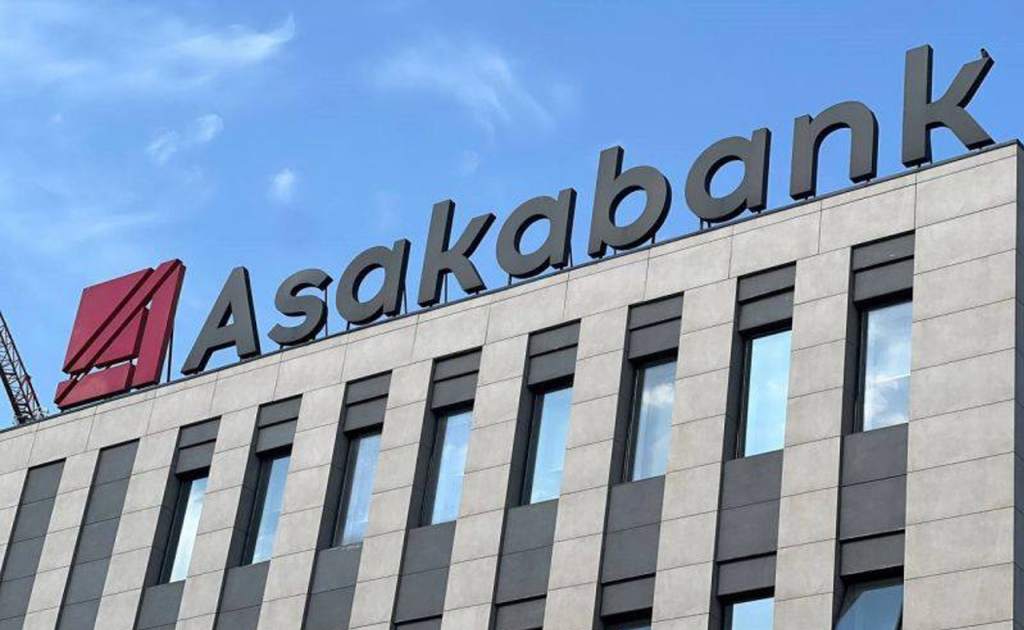
Uzbekistan speeds up Asakabank privatization, affecting household savings, investments, and currency stability with asset transfers and financial restructuring.

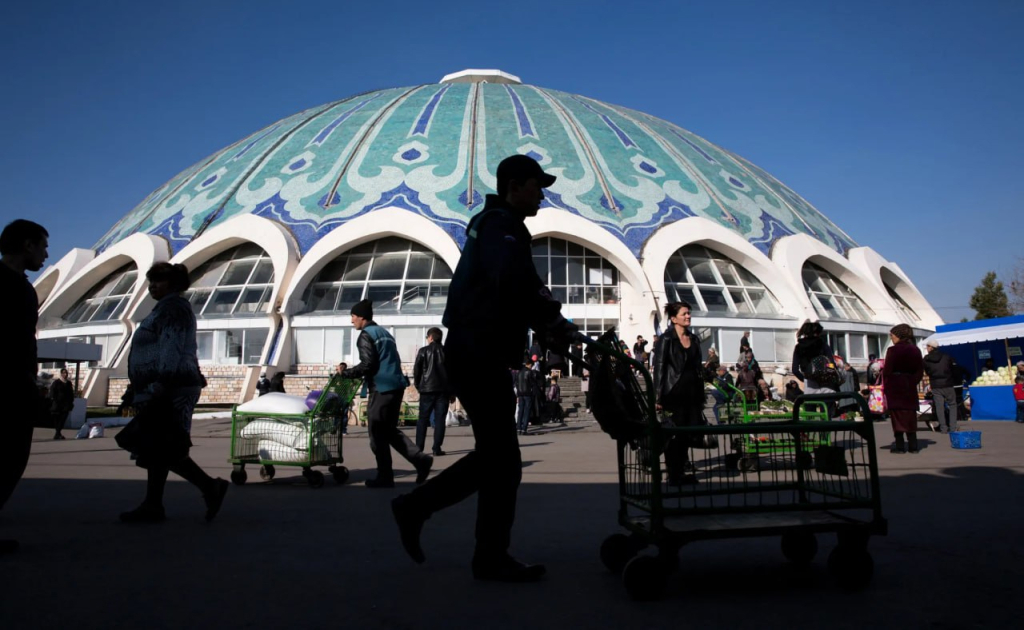
Tashkent's 2025 market profits shift, with some farmers' markets thriving and others declining, influencing household budgets and local investments.

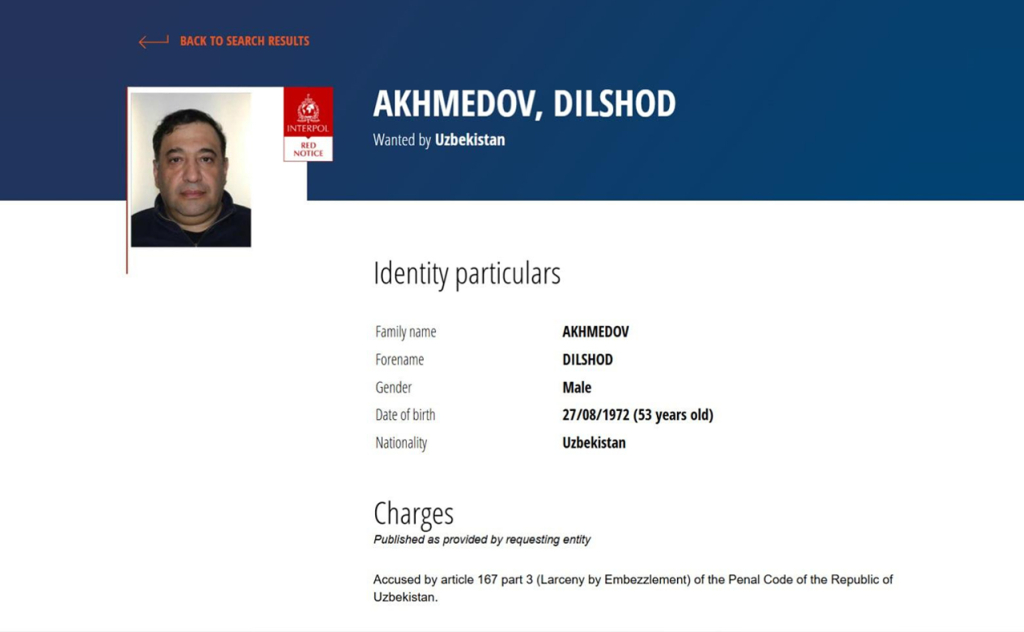
Dilshod Ahmedov, former head of O‘zmetkombinat, is internationally wanted for embezzlement, raising concerns about financial governance affecting household budgets and investors.

Uzbek visitors are barred from Germany's Bundeswehr Military Technology Museum due to security policies, affecting travel plans and household budgets.

Uzbek banks report strong Q1 2026 profits with rising assets and expenses, highlighting implications for household borrowing costs and consumer banking fees.

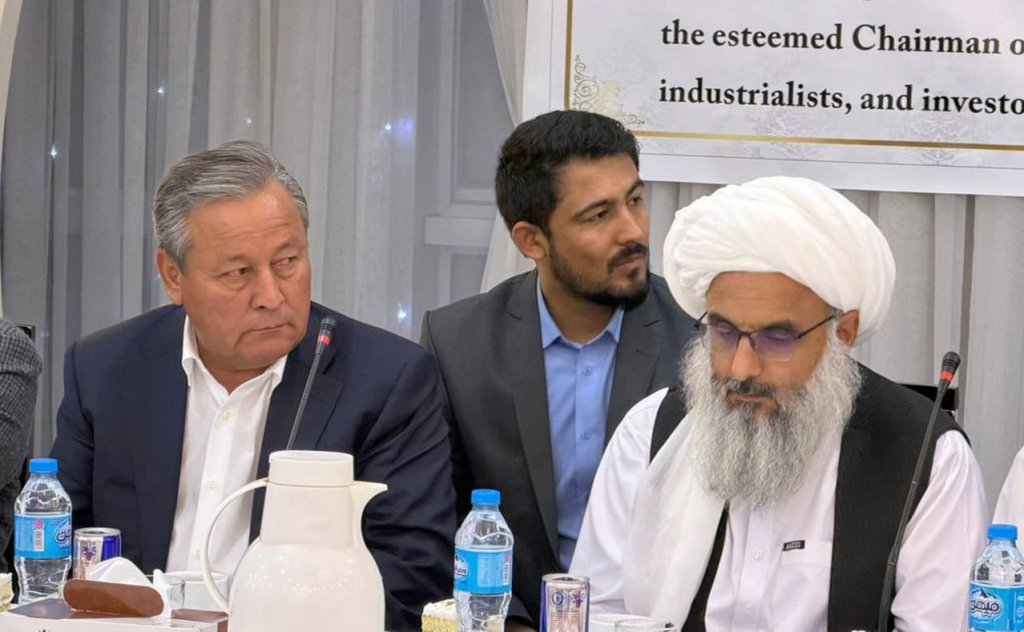
Uzbek and Afghan entrepreneurs sign $300 million in trade agreements, expanding product availability and impacting household budgets and investments across Central Asia.