Uzbekistan Bank Deposits Surge 30% in Early 2026 Boosting Household and Business Savings
Bank deposits in Uzbekistan grew by 30.88% in Q1 2026, reflecting rising consumer confidence and increased liquidity in the economy.
In the first quarter of 2026, Uzbekistan's banking system experienced robust growth in deposit portfolios across almost all banks, with the exception of Oriyent Finans Bank. Overall bank deposits increased by 30.88% compared to the same period in 2025, rising from 324.1 trillion Uzbek soms to 424.2 trillion soms.
This surge signals heightened trust among households and businesses in the banking sector, alongside an increase in economic liquidity. Such growth in deposit volumes is pivotal for personal savings and reflects positively on the financial stability accessible to everyday consumers and investors.
Leading Banks and Deposit Growth Trends
National Bank of Uzbekistan maintained its leading position with the largest deposit portfolio. Its deposits expanded from 38 trillion soms to 53.4 trillion soms. Kapitalbank followed as the second largest, with deposits amounting to 44.9 trillion soms.
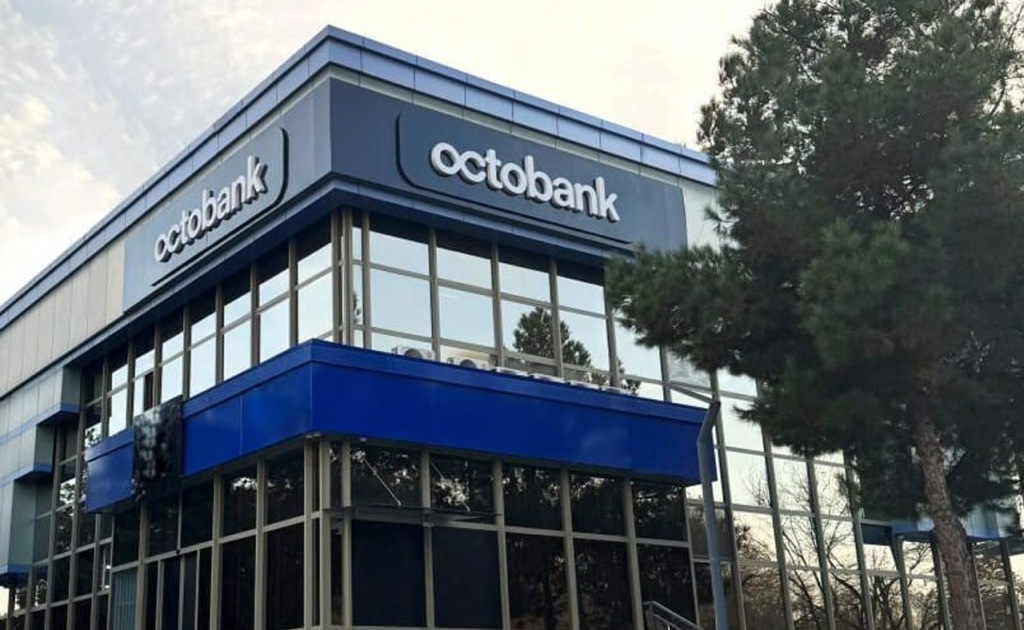
Notably, Agrobank climbed from sixth to third place by increasing deposits from 21.5 trillion soms to 34.9 trillion soms. Meanwhile, Octobank recorded the highest relative growth, with deposits soaring by 416% to 13.9 trillion soms, elevating its rank from 22nd to 12th.
"Octobank’s deposit growth was largely driven by corporate deposits, which jumped from 2 trillion soms to 13.4 trillion soms within a year," financial analysts noted.
This remarkable increase highlights how business deposits are playing a significant role in shaping bank portfolios. Alongside Octobank, National Bank and Agrobank saw the largest absolute deposit increases, adding 15.4 trillion and 13.3 trillion soms respectively.
Digital banking also gained momentum; Uzum Bank leveraged digital ecosystems to boost its deposits from 72.7 billion soms to 1.2 trillion soms, demonstrating the impact of technology on consumer savings behavior.
Other banks such as Avo Bank, Garant Bank, Hayot Bank, and Apex Bank similarly reported healthy deposit growth compared to the previous year.
Conversely, Oriyent Finans Bank was the only bank to report a decline in deposits, falling by 9.6% or nearly 1.1 trillion soms, indicating potential challenges either in customer retention or market competitiveness.
Implications for Households and Investors
The significant increase in bank deposits suggests that Uzbek households are increasingly prioritizing saving through formal channels, possibly driven by improved economic conditions and greater trust in banking institutions. For everyday investors and consumers, this trend can translate to more competitive interest rates and enhanced financial products.
Moreover, as banks accumulate more deposits, their capacity to provide loans and credit expands, potentially lowering borrowing costs and fostering economic growth. However, deposit growth concentrated in corporate accounts, as seen in Octobank, also highlights the importance of balanced portfolio development that includes retail customers.
For currency holders and savers, the rising liquidity in the banking system can help stabilize the national currency by keeping funds within the economy, reducing informal cash circulation.