US-Iran Negotiations Signal Potential End to Conflict, Impacting Global Markets and Household Finances
US and Iran reportedly close to agreement that could ease sanctions and stabilize energy prices, influencing consumer costs and savings worldwide.
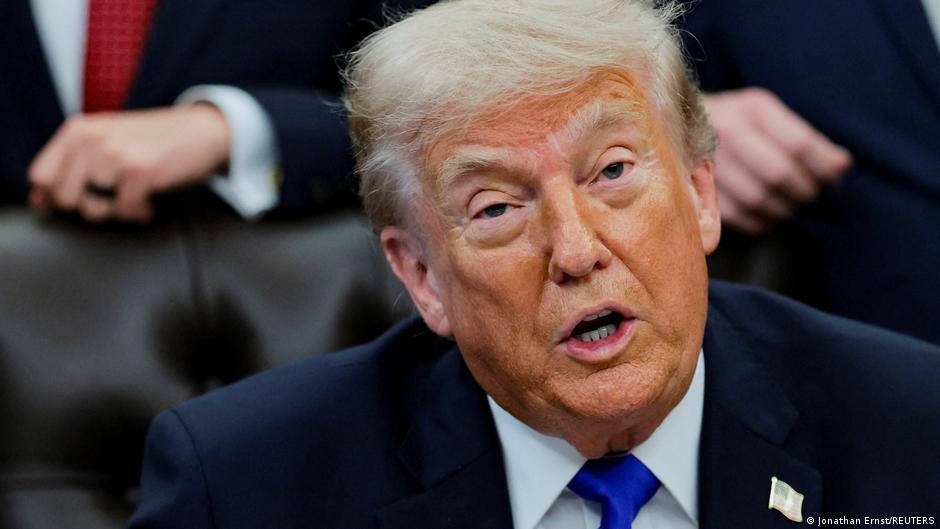
The recent announcement by US President Donald Trump that negotiations with Iran have been "very good" and may soon lead to a resolution of ongoing conflicts carries significant implications for global consumers, investors, and household budgets.
Potential Economic Impact of US-Iran Agreement
On May 6, during a White House press conference, President Trump indicated that the US and Iran are "quite possibly" close to finalizing a deal that would end years of tension. Central to the proposed agreement is Iran's commitment to halt its development of nuclear weapons, a major US demand.
Such a breakthrough could trigger a series of economic shifts with direct consequences for everyday consumers and individual investors. The easing of sanctions on Iran would likely increase the flow of oil from the Persian Gulf region, which includes the strategically vital Strait of Hormuz. This could drive down global oil prices, thereby reducing fuel and energy costs for households worldwide.
"If we don't get what we want, we'll have to take a big step further. But they're eager to make a deal," President Trump said, highlighting the tentative optimism surrounding the talks.
Lower energy prices could ease inflationary pressures on consumers, improving disposable income and strengthening household savings. Conversely, investors in energy sectors may face increased volatility as markets adjust to new supply dynamics.
The memorandum under discussion reportedly outlines a 30-day period for further detailed negotiations concerning the Strait of Hormuz, Iran's nuclear program, and US sanctions. The finalization of such an agreement could pave the way for renewed economic engagement with Iran, potentially opening new investment opportunities.
Meanwhile, Iran has not yet publicly responded to the US statements but is reviewing the proposal through Pakistan, which acts as an intermediary in the discussions.
What This Means for Consumers and Investors
For individual investors, the potential defusing of US-Iran tensions could translate into shifts in currency markets, given the interconnectedness of geopolitical stability and the US dollar's strength. A reduction in regional risk might weaken the demand for safe-haven assets, affecting portfolios that heavily rely on such instruments.
On the consumer front, improved diplomatic relations could lead to greater global economic stability, potentially stabilizing or lowering prices on goods and services sensitive to energy costs. For households, this could mean more manageable budgets and increased capacity for savings and investment.
However, uncertainty remains as officials await Iran's formal response and the outcome of ongoing negotiations, making it essential for consumers and investors to monitor developments closely.