Former French President Sarkozy Granted Early Release in Campaign Finance Case
Nicolas Sarkozy receives conditional early release over 2012 campaign overspending, impacting legal expenses and personal financial liabilities.
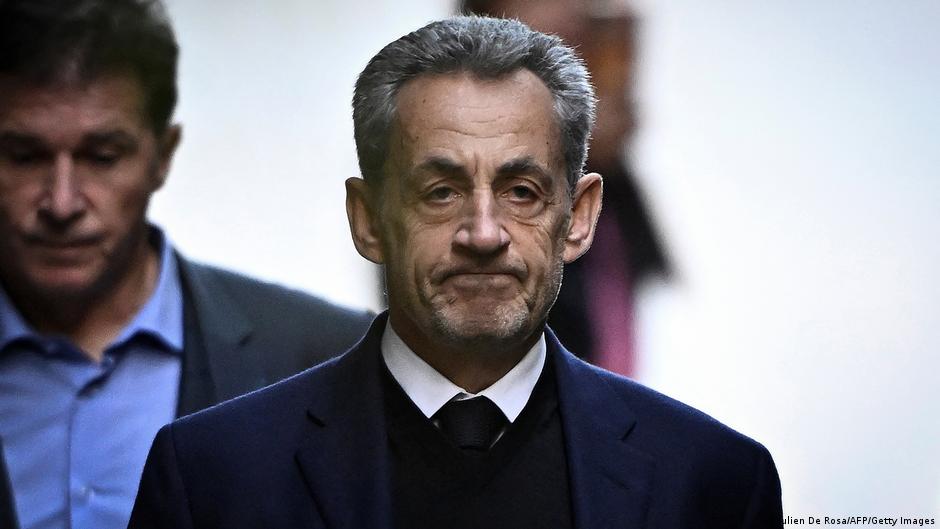
Former French president Nicolas Sarkozy, aged 71, has been granted conditional early release in relation to a high-profile case concerning the overspending of his 2012 presidential election campaign. This development follows a court decision to ease the conditions of his punishment, citing his age and the nature of the offense.
Financial and Legal Consequences of Overspending
The case centers on the PR agency Bygmalion, which managed Sarkozy’s 2012 campaign. The court found that the political party associated with Sarkozy received over €18 million from Bygmalion, funds that were not declared as official campaign expenses. This led to Sarkozy being sentenced to one year in prison. Subsequently, the sentence was reduced to six months, with the possibility of replacing incarceration with an electronic bracelet.
"The court’s decision to grant early release without the obligation to wear an electronic bracelet reflects both Sarkozy’s age and the evolving nature of his legal penalties."
These legal penalties carry significant financial implications not only for Sarkozy but also for any associated parties responsible for managing campaign funds. Overspending violations can trigger fines, legal expenses, and reputational damage, which can, in turn, affect personal and party finances.
Broader Impact on Household Budgets and Investors
While this case is primarily political, the financial handling of political campaigns offers lessons relevant to household budgets and everyday personal finance. Overspending beyond declared budgets, whether in politics or in personal life, can lead to legal consequences, increased debt, and loss of financial credibility.
For everyday consumers and investors, the Sarkozy case underscores the importance of transparency and accountability in financial dealings. Mismanagement of funds, even on a large scale such as a national election campaign, can result in severe punishments and affect asset values — including impacts on currency valuations when political instability arises.
Legal proceedings involving high-profile individuals also tend to have ripple effects in financial markets. Investors closely watch such developments for signals about regulatory rigor and governance standards, which can influence investment decisions and currency stability.
Previous Legal Issues and Financial Penalties
This is not Sarkozy’s first conviction related to financial misconduct. In March 2021, he was convicted of corruption and bribery linked to attempts to influence a judge, receiving a sentence that included electronic monitoring and partial house arrest. In September 2025, he was found guilty of criminal conspiracy tied to alleged illicit funding from the Libyan government during his earlier political career. That sentence included five years imprisonment with a postponement of execution, and he spent 20 days in prison under judicial supervision in October 2025.
These ongoing legal challenges highlight the extended financial and reputational costs associated with political and financial misconduct. For households, the lesson is clear: careful budgeting, full transparency, and adherence to legal frameworks are essential to avoid potential financial liabilities and legal entanglements.
As the court continues to review appeals related to Sarkozy’s cases, the broader implications for political finance management and personal financial responsibility remain highly relevant.