New Iranian Strait Passing Rules May Impact Global Shipping Costs and Consumer Prices
Iran’s new stringent vessel declaration requirements for the Strait of Hormuz could affect shipping costs, influencing household budgets and investors worldwide.
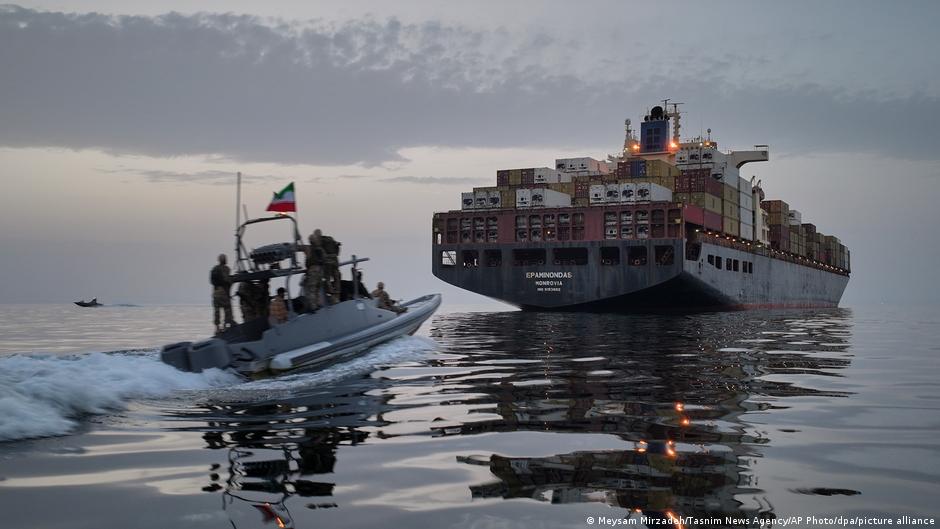
Iran has introduced a comprehensive new set of rules requiring shipping companies to submit detailed "Vessel Information Declarations" before their tankers can pass through the Strait of Hormuz, a critical maritime chokepoint for global oil supplies.
What the New Rules Entail
The declaration, compiled by the Iranian Persian Gulf Strait Administration (PGSA), contains over 40 questions. Shipping companies must disclose extensive data, including the vessel's name, identification number, previous names, and points of origin and destination.
Additionally, information about the nationality of the vessel's owners, operators, and crew members is required, along with detailed descriptions of the cargo being transported. All this information must be submitted electronically to the PGSA prior to transit.
"The applicant is solely responsible for the accuracy and completeness of the submitted information, and will bear all consequences arising from any discrepancies," the PGSA stated.
While the document does not explicitly state whether Iran plans to charge fees for passage, previous Iranian officials have suggested that tolls could become a significant revenue source, potentially helping to fund reconstruction efforts after damage caused by past conflicts involving the US and Israel.
Reports indicate that current fees could reach up to $2 million per vessel. However, American individuals and companies would be prohibited from making such payments under US Treasury regulations, given ongoing sanctions against Iran and the Islamic Revolutionary Guard Corps.
Broader Economic Implications
The Strait of Hormuz is a vital artery for global energy markets, with an estimated one-third of the world’s seaborne oil passing through this narrow waterway. Any increase in shipping costs due to tighter regulations or potential tolls would likely be passed down through the supply chain, ultimately affecting fuel prices worldwide.
For households, this could translate into higher gasoline and heating fuel costs, increasing strain on personal budgets already challenged by inflationary pressures. Consumers may also see knock-on effects in the prices of goods relying on petrochemical inputs or transportation by sea.
Everyday investors should monitor these developments closely. Rising energy prices often lead to increased volatility in equity and commodity markets, impacting portfolios exposed to energy stocks or inflation-sensitive assets.
In response to escalating tensions, the United States launched Operation Sentinel on May 4, aimed at escorting commercial vessels through the Strait to ensure freedom of navigation. President Donald Trump has threatened retaliatory measures against Iran should attacks occur against US ships, though he temporarily paused the operation in hopes of negotiating an agreement.
Such geopolitical dynamics underscore the risks associated with investing in energy markets and highlight the broader economic ripple effects that policy changes in strategic regions can produce.
Conclusion
Iran’s new declaration requirements and the potential for transit fees through the Strait of Hormuz could drive up shipping costs, influencing oil prices and consumer expenses worldwide. Households should prepare for possible fuel price increases, and investors should consider the elevated geopolitical risks when making financial decisions.