US Delays EU Car Tariff Hike to July 4, Providing Temporary Relief to Consumers and Investors
President Trump postpones planned 25% tariffs on European cars until July 4 amid ongoing trade agreement negotiations.
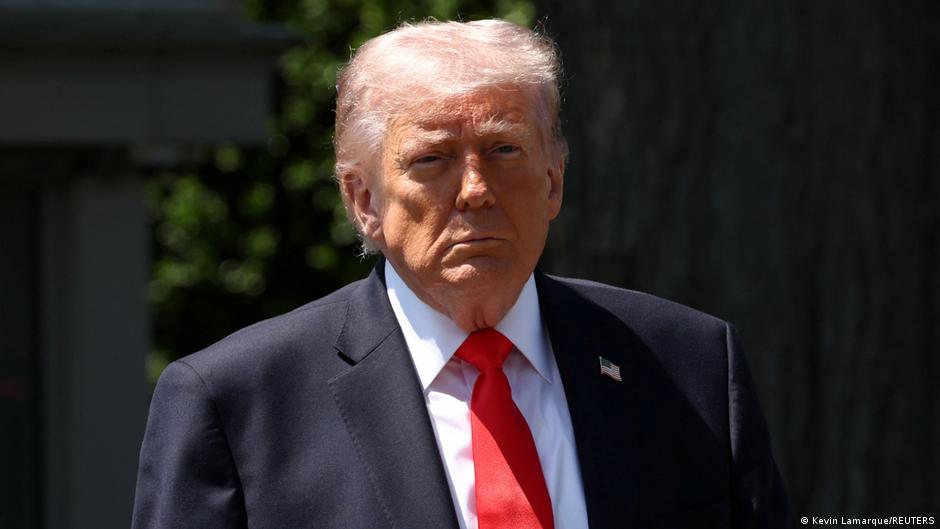
President Donald Trump has postponed the scheduled increase of tariffs on passenger and commercial vehicles imported from the European Union until July 4. This delay offers temporary relief to American consumers and investors who might otherwise face higher prices on European cars and related automotive products.
Impact on Household Budgets and Market Dynamics
On May 1, President Trump had announced an increase of tariffs on EU vehicles to 25%, a move expected to raise prices for European cars in the U.S. market. Such a tariff hike would typically translate into higher costs for consumers, potentially reducing purchasing power and affecting household budgets. Many American families considering European automobiles might have faced increased prices, impacting savings and spending decisions.
By delaying the tariff hike until July 4, the administration is signaling an openness to continued negotiations with the EU. This postponement provides a window of opportunity for both parties to work toward tariff reductions and avert a sudden spike in vehicle prices.
"I waited patiently for the EU to honor its side of the historic trade agreement," Trump stated on social media, emphasizing that the delay is contingent upon compliance with agreed terms.
The trade agreement, originally signed in September 2025, aims to reduce tariffs on European cars retroactively from 27.5% to 15%. Meanwhile, the EU has committed to eliminating tariffs on American industrial goods and opening its markets to U.S. products such as seafood, dairy, pork, and soy oil. However, disputes remain about whether the EU has fully complied with these provisions, a point of contention cited by the U.S. administration.
For everyday investors and consumers, the tariff dispute underscores the interconnectedness of trade policies and personal finances. Tariff hikes can lead to increased manufacturing and retail costs, which often pass onto consumers. Investors in automotive stocks or related sectors may also experience volatility amid trade tensions.
European Commission President Ursula von der Leyen reported "good progress" in talks and reaffirmed both sides' commitment to implementing the deal. However, the exact issues at stake remain somewhat unclear, complicating market predictions.
In practical terms, American households purchasing European vehicles or goods could see steadier prices in the coming months. The postponement could also stabilize currency fluctuations linked to trade uncertainties, indirectly benefiting savings and investments.
As July 4 approaches, consumers and investors alike will be watching developments closely. Should negotiations falter, the activation of higher tariffs might trigger price increases, potentially squeezing household budgets and affecting broader economic confidence.