EU Leaders Prepare for Potential Talks with Russia Amid Ongoing Conflict Impacting European Households
European Union leaders explore diplomatic options with Russia, signaling possible shifts affecting household budgets, currencies, and consumer confidence.
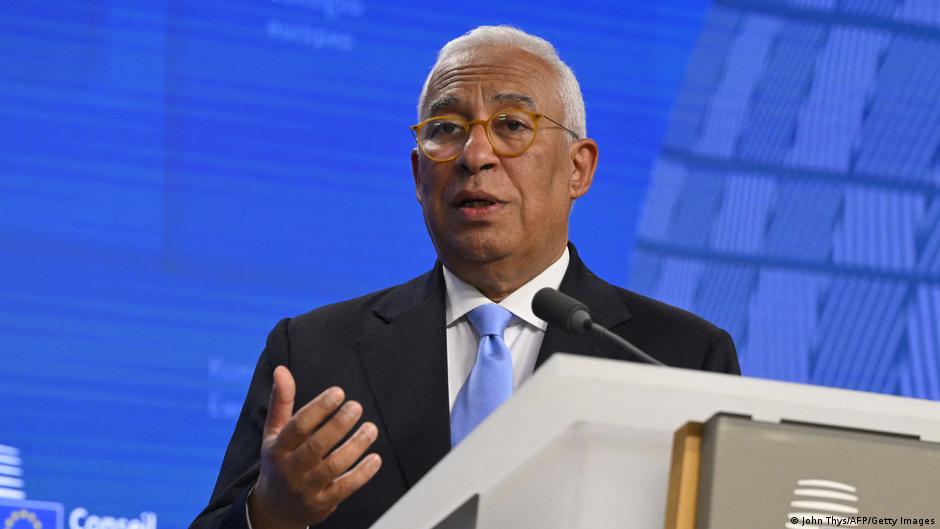
European Union (EU) leaders are actively preparing for the possibility of negotiations with Russia, a development that could have significant effects on household finances, currency stability, and everyday investors across Europe. The announcement was made by European Council President António Costa during a speech at the European University Institute in Florence.
Implications for European Consumers and Markets
Costa revealed ongoing discussions with all 27 EU member states to determine the best approach for potential talks with Russian President Vladimir Putin. While he emphasized that there is potential for dialogue, no concrete signs of Moscow’s readiness for serious negotiations have yet been observed.
For European households, the prospect of renewed talks carries the hope of easing economic strain caused by the ongoing conflict. The war has contributed to inflationary pressures, disrupted energy supplies, and created volatility in currency markets, all of which directly impact family budgets and savings.
"We are assessing how best to organize ourselves and what exactly we need to discuss with Russia when the time is right," said Costa.
Consumer confidence and currency stability have taken hits as sanctions, supply chain disruptions, and geopolitical uncertainty continue to weigh heavily. A diplomatic breakthrough could potentially stabilize energy prices and reduce inflationary pressures, which have been squeezing household expenditures throughout the continent.
Moreover, everyday investors face heightened uncertainty. Currency fluctuations affect investment portfolios, while stock markets remain sensitive to geopolitical developments. A peaceful resolution or even the prospect of one often calms markets, encouraging investment and providing relief to retail investors.
Context and Ongoing Challenges
The last significant diplomatic exchange between Europe and Russia occurred in early February 2026, with French presidential advisers visiting Moscow to discuss EU participation in peace negotiations for the Ukraine conflict. These talks were ultimately rejected by the Kremlin, signaling a firm stance by Russian authorities.
Efforts by France and other European actors to open dialogue have met with resistance, sometimes expressed in blunt terms by Russian officials, reflecting the difficulty in reaching common ground.
Meanwhile, the conflict in Ukraine continues to impact energy markets and consumer prices across Europe. The war has caused spikes in natural gas and oil prices, directly affecting heating and transportation costs for millions of households.
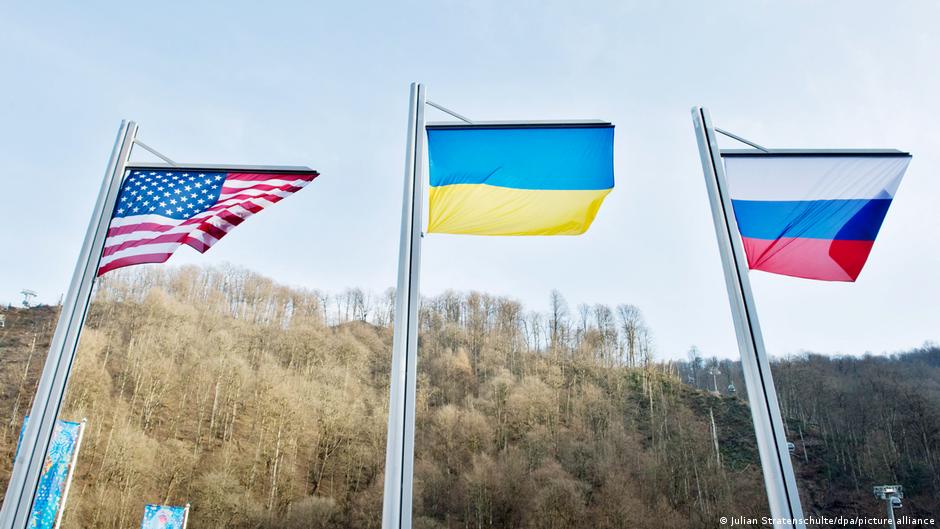
Further complicating the situation are recent escalations in the Middle East, which have diverted international diplomatic attention and delayed planned talks involving Russia, the United States, and Ukraine.
Despite these obstacles, some Ukrainian officials express cautious optimism about progress toward a peace agreement. According to Kirill Budanov, head of the Ukrainian presidential office’s negotiation team, both sides are reportedly moving closer to a compromise, which could accelerate conflict resolution.
For European consumers and investors, these developments underscore the interconnectedness of geopolitics and personal finances. The path to peace not only holds humanitarian significance but also the potential to restore economic stability and improve everyday financial conditions.