Uzbekistan Sees Strong Growth in Car Sales in March, Impacting Household Budgets and Savings
March car sales in Uzbekistan rose by 19%, with new and used vehicle purchases increasing, influencing consumer spending and savings decisions.
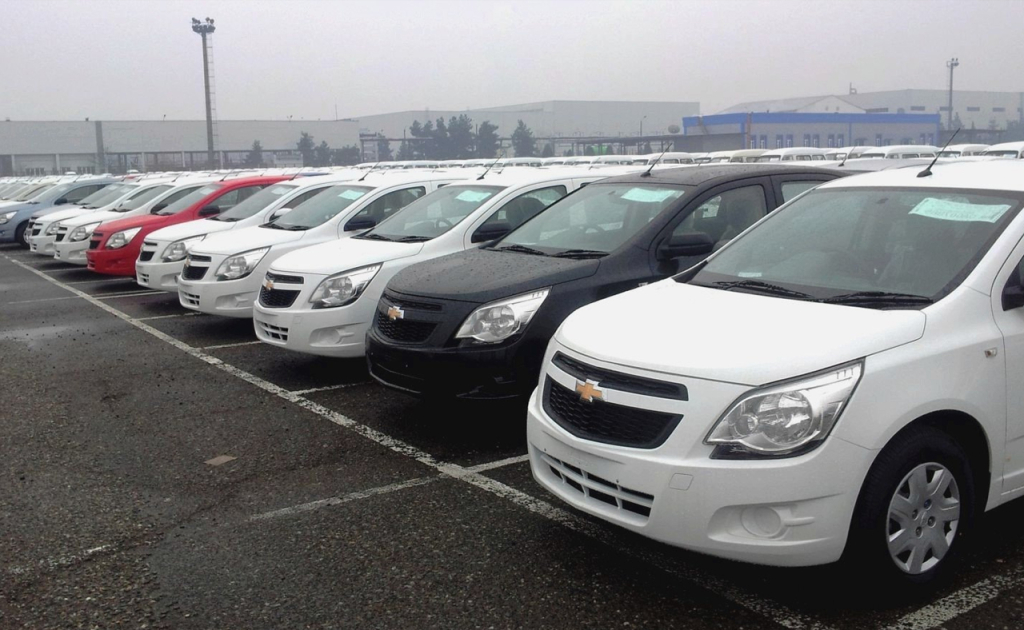
In March 2026, Uzbekistan experienced a significant rise in the sale of passenger vehicles, with over 78,000 units sold—marking a 19% increase compared to February and a 20.6% rise year-on-year. This growth spans both new and used car markets, signaling a steady increase in demand that has tangible implications for household budgets, savings, and everyday investors.
Rising Auto Sales Reflect Consumer Spending Trends
According to recent analyses, a total of 93,500 vehicles, including commercial and passenger types, were sold across primary and secondary markets in March, representing an 11.1% increase from the previous month. Passenger cars alone accounted for more than 78,000 units sold. The robust sales figures highlight a growing appetite among consumers for motor vehicles, despite fluctuating economic pressures.
Primary market sales reached nearly 31,000 new cars in March, marking a 13% increase from February and a 37% rise year-over-year. Locally produced vehicles dominated this segment, with 25,000 units sold and a 26.5% annual growth. Meanwhile, imported new cars demonstrated even sharper gains, with sales almost doubling month-on-month to 5,700 units.
On the secondary market, used car sales totaled 47,500 units, up 23% from the previous month and 12% from the prior year. Additionally, the electric vehicle sector is gaining traction, with 5,500 electric cars sold in March—24% more than the previous year—reflecting shifting consumer preferences toward sustainable transport.
"The steady growth in vehicle sales indicates an increased willingness among Uzbek households to invest in personal mobility, impacting disposable income and savings patterns," analysts noted.
Geographically, the surge in sales was widespread, with most regions reporting growth. Surxondaryo led with a 51.4% increase, followed by Tashkent region at 46%, and Tashkent city itself saw a remarkable 60.5% jump in passenger car sales. However, some regions like Jizzakh, Andijan, and Samarkand experienced declines.
Financial Implications for Households and Investors
This sustained demand for vehicles underscores shifting consumer priorities that can affect household financial planning. Increased spending on new and used cars means many families are allocating a larger share of their budgets to automobile purchases, potentially impacting savings rates and liquidity. For middle-income households, financing options or credit may be increasingly utilized, adding to monthly financial commitments.
For everyday investors, the automotive sector’s growth could signal opportunities in related industries such as auto financing, insurance, and electric vehicle infrastructure. Meanwhile, currency fluctuations may also play a role, as imported car prices respond to foreign exchange rates, influencing affordability for consumers.
Overall, the expanding car market in Uzbekistan highlights broader economic trends where consumer confidence and spending power are rising, though careful budget management remains essential for households navigating these changes.