Drone Strikes on Dnipro Raise Concerns Over Household Safety and Financial Stability
Recent drone attacks in Dnipro have caused injuries and property damage, impacting local residents' budgets and savings amid ongoing conflict.
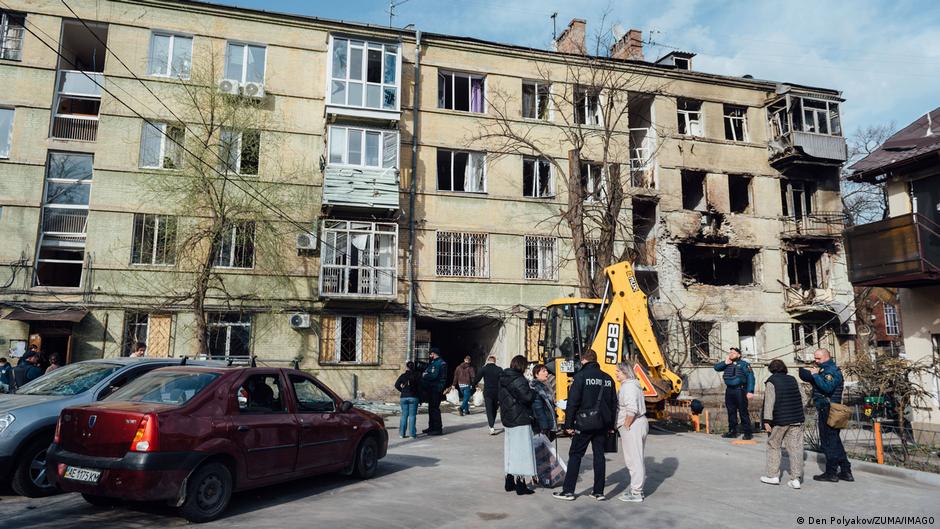
Recent drone attacks on the Ukrainian city of Dnipro have left seven people injured, including two young girls aged 9 and 14, highlighting the growing risks to household safety and financial security. The attacks on the night of April 22-23 damaged several multi-story apartment buildings, ignited fires, and affected personal property, exacerbating the economic strain on families in the region.
Impact on Household Budgets and Property
One of the drone strikes targeted a multi-story residential building, resulting in fires across apartments on the fourth and fifth floors. Additionally, a local shop and a private vehicle were set ablaze. The damage extends beyond immediate physical harm, as residents face costly repairs and potential displacement, placing additional pressure on already tight household budgets.
"Children aged 9 and 14 were hospitalized with moderate injuries, and several adults remain in medical care," local officials reported.
With some residents hospitalized and others needing to manage damaged property, families must navigate unexpected medical expenses and home restoration costs. For many, this translates to dipping into savings or taking on debt, undermining long-term financial stability.
Wider Economic and Financial Implications
The frequency of these attacks—preceded by similar strikes on April 21 and a more severe assault on April 16 involving ballistic missiles—has compounded economic uncertainty in the area. The cumulative damage includes multiple residential buildings, vehicles, educational facilities, and commercial establishments, directly impacting household income streams and consumer confidence.
For everyday investors and residents, the destruction threatens personal assets, including real estate and personal savings stored in local currency. The ongoing conflict contributes to volatility in the Ukrainian hryvnia, complicating efforts to preserve wealth and maintain purchasing power.
In response to these challenges, households may prioritize emergency expenditures and insurance costs over savings or investment plans. The interruption to local commerce further restricts income opportunities, intensifying financial hardship for many families.
As the situation evolves, financial advisors and consumer advocates emphasize the importance of financial resilience strategies, including diversified savings, emergency funds, and access to support services.
While the primary concern remains the physical safety and well-being of Dnipro’s residents, the secondary effects on household finances underscore the broader socioeconomic toll of ongoing hostilities in the region.