Geopolitical Tensions in Italy Spotlight Risks for Household Budgets and Currency Stability
Italian Prime Minister Meloni's conflict with Russian media highlights potential economic impacts on Italian consumers and investors amid rising political uncertainty.
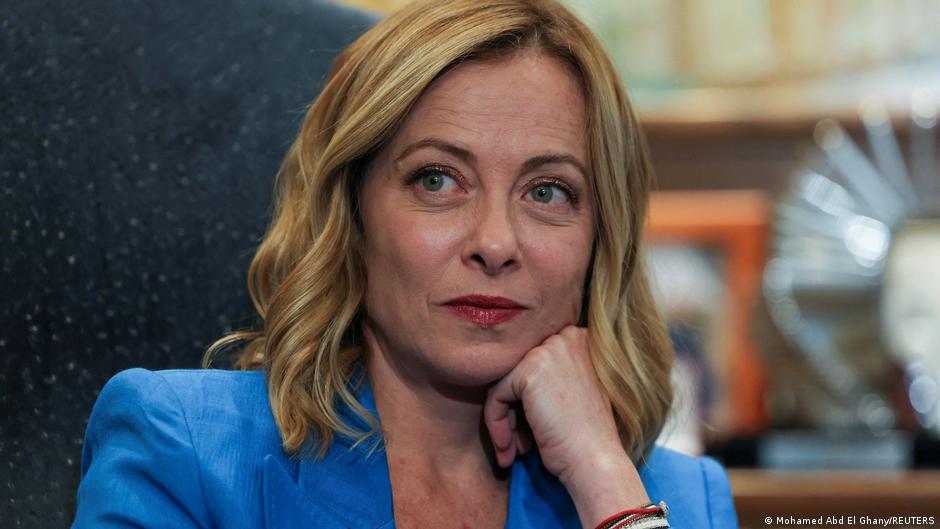
Italian Prime Minister Giorgia Meloni has become the center of a heated political controversy following disparaging remarks by Russian TV host Vladimir Solovyov. This public conflict has not only sparked a diplomatic reaction but also raised concerns about the potential repercussions for Italy's economy, household budgets, and everyday investors navigating currency fluctuations and economic uncertainty.
Political Disputes Ripple into Economic Realities
On April 21, Giorgia Meloni posted a strong statement condemning what she described as "zealous regime propagandists," in response to Solovyov’s offensive comments labeling her a "fascist creature" and a "disgrace to humanity." These remarks, which were widely reported in Italy's major media outlets, prompted the Italian Ministry of Foreign Affairs to summon the Russian ambassador to express official protest.
"Unlike others, we are not dependent on anyone, we have no masters, and we do not take orders. Our only guide is the interests of Italy," Meloni declared, underscoring her government's independent stance.
While the focus of the confrontation is political, the implications extend to the financial wellbeing of ordinary Italians. Political instability and strained international relations can contribute to market volatility, impacting the value of the euro, inflation rates, and the cost of imported goods.
Impact on Household Budgets and Savings
For Italian households, heightened geopolitical tensions can translate into increased costs in everyday life. Currency fluctuations driven by diplomatic conflicts often lead to a weaker euro, raising prices for imported goods, including essential commodities such as fuel, food, and electronics. This, in turn, puts pressure on household budgets, particularly for middle- and lower-income families.
Moreover, inflationary pressures emerging from such conflicts can erode savings. Italian consumers could find their purchasing power diminished as the cost of living rises, forcing many to adjust spending habits or dip into emergency funds. This scenario poses challenges to financial planning and long-term savings goals, especially for retirees relying on fixed incomes.
Considerations for Everyday Investors
Investors and savers in Italy may also experience the effects of this political friction. Market uncertainty typically prompts risk aversion, causing stock markets to become volatile and leading to fluctuations in bond yields. Those invested in Italian equities or government bonds should be prepared for short-term price swings and reassess portfolio risk tolerance.
Furthermore, currency risk becomes a significant factor for investors holding foreign assets or those who earn returns in other currencies. The potential depreciation of the euro against major currencies can impact returns and requires careful consideration in investment strategies.
Government Response and Public Sentiment
Italian political leaders have rallied around Prime Minister Meloni, condemning the offensive remarks as "vulgar" and "unacceptable." This solidarity reflects a consensus on defending national dignity but also highlights the fragile nature of Italy's current geopolitical environment. The government’s firm stance on independence from foreign influence aims to reassure citizens but also signals the challenges ahead in maintaining economic stability amid geopolitical pressures.
As tensions persist, consumers and investors alike should remain vigilant. Monitoring currency movements, inflation trends, and political developments is essential for making informed financial decisions. Diversifying savings and investments and seeking professional advice can help mitigate risks associated with such geopolitical conflicts.
Ultimately, while political disputes such as the Meloni-Solovyov confrontation may seem distant from everyday financial concerns, their ripple effects can materially affect the economic landscape Italians face daily.