NATO Intercepts Russian Military Aircraft Over Baltic Sea, Raising Security and Economic Concerns
Russian bomber flights over Baltic Sea prompt NATO interceptions, impacting regional security and potentially affecting currencies and consumer confidence.
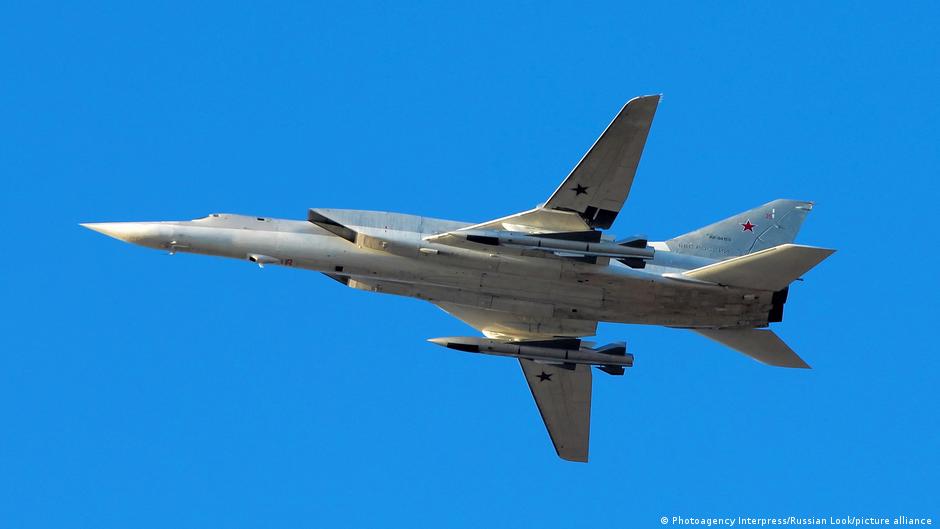
On April 20, NATO forces intercepted a group of Russian military aircraft flying over the Baltic Sea, a move that underscores ongoing tensions in the region. The Russian Ministry of Defense stated that the flight was planned and conducted over "neutral waters," but NATO responded with a coordinated interception involving fighter jets from multiple member countries.
Implications for Household Budgets and Consumer Confidence
The intercepted flight involved strategic bombers and advanced fighter jets, including Tu-22M3 supersonic bombers and Su-30 and Su-35 fighters. French Rafale jets, alongside aircraft from Sweden, Finland, Poland, Denmark, and Romania, participated in the interception. This show of force highlights not only military tensions but also raises concerns about the economic impact on households and everyday investors in the surrounding countries.
Heightened geopolitical risks tend to create uncertainty in financial markets, affecting currency stability and investor sentiment. For residents in Baltic and neighboring countries, such military activities can lead to fluctuations in the value of local currencies versus the euro and dollar, influencing import costs and inflation rates. Household budgets may experience pressure as everyday goods and energy prices fluctuate due to these geopolitical developments.
"Increased military activity in the Baltic region typically triggers volatility in currency markets and can dampen consumer confidence," says an economic analyst specializing in Eastern Europe.
Between April 13 and 19, NATO pilots scrambled four times to intercept Russian aircraft that reportedly violated flight rules by disabling transponders, flying without submitted flight plans, and losing contact with air traffic controllers. These repeated incidents underscore the fragile nature of security in the airspace over the Baltic Sea.
Residents and investors should be attentive to how such military posturing could influence local economic conditions. Currency fluctuations may affect the cost of imported goods, while heightened uncertainty could encourage savers to shift investments toward safer assets, impacting stock and bond markets regionally.
The Russian Defense Ministry maintains that flights adhered to international rules, with bombers accompanied by fighter escorts from foreign states at some stages of the route. Nevertheless, the ongoing interceptions and reports of flight rule violations suggest continued operational risks that could reverberate economically.
In summary, while the immediate impact of the April 20 interception is on military and diplomatic fronts, consumers and investors in the affected countries should monitor these developments closely. Geopolitical tensions in the Baltic can have tangible effects on household budgets, savings, and the stability of regional currencies.