Lufthansa to Cancel 20,000 Flights to Save Fuel Amid Energy Crisis Impacting Travel Costs
The airline’s large-scale flight cancellations aim to cut over 40,000 tons of jet fuel consumption, affecting passengers and travel expenses through late 2026.
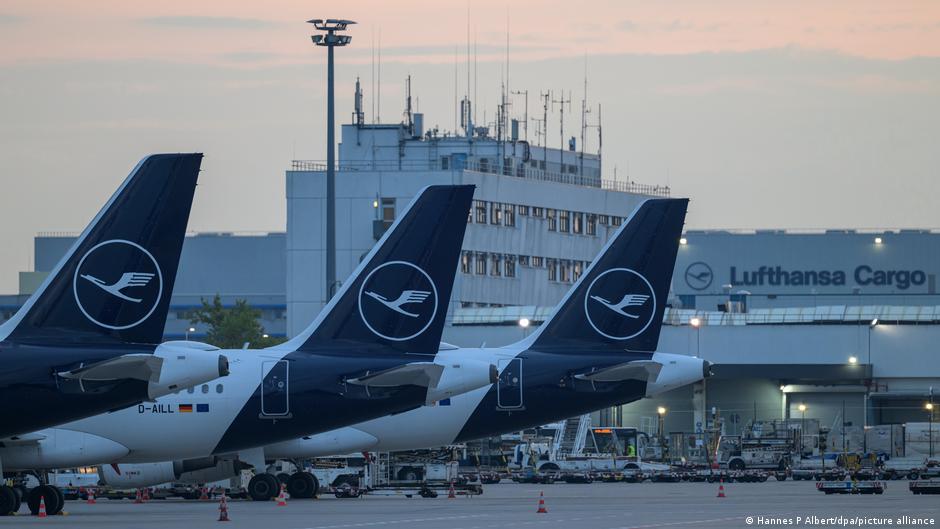
Germany’s flagship airline Lufthansa announced plans to cancel approximately 20,000 flights between June and October 2026 in a strategic effort to reduce aviation fuel consumption amid ongoing energy supply disruptions. The cancellations, which have already begun for flights scheduled through the end of May, are expected to save the company over 40,000 tons of jet fuel.
Impact on Consumers and Travel Budgets
For everyday travelers and investors, these operational cutbacks signal potential shifts in ticket prices, flight availability, and overall travel expenses. The energy market turbulence—exacerbated by geopolitical tensions in the Middle East—has increased fuel costs, one of the largest components of airline operating expenses, thereby putting upward pressure on ticket prices.
Lufthansa intends to mitigate fuel consumption by trimming less profitable short- and medium-haul routes from its primary hubs in Frankfurt and Munich while expanding services from secondary hubs like Zurich, Vienna, and Brussels. This network adjustment aims to maintain passenger capacity with minimal impact on available seat kilometers, a key efficiency metric, which Lufthansa expects will fall by less than one percentage point.
"By focusing on more efficient routes and retiring older, fuel-inefficient aircraft, we aim to navigate the energy crisis while continuing to serve our customers effectively," a Lufthansa spokesperson said.
However, travelers may face fewer options on certain regional routes, and cancellations could disrupt plans, thereby influencing household travel budgets and consumer choices. Additionally, those holding airline stocks or related investments might see volatility tied to operational changes and fuel price fluctuations.
Fleet Reductions and Long-Term Adjustments
As part of its cost-saving measures, Lufthansa is retiring all 27 aging Canadair CRJ jets operated by its loss-making subsidiary CityLine, citing soaring fuel expenses and labor disputes. The airline also plans to phase out older long-haul aircraft, including four Airbus A340-600 and two Boeing 747-400 planes by October.
These fleet decisions reflect a broader industry trend toward greater fuel efficiency amid rising energy prices and supply uncertainties. Other European airlines are similarly adjusting operations: SAS Scandinavian Airlines will cancel around 1,000 flights in April, and Air France-KLM has introduced fuel surcharges up to 100 euros on long-haul tickets, including those already sold. Moldovan airline FlyOne has also announced flight cancellations due to fuel challenges.
Consumers should anticipate continued volatility in air travel availability and pricing as airlines respond to the evolving energy situation. The European Commission is expected to propose a plan on April 22 to address the ongoing energy crisis impacting the aviation sector and broader economy.