Phishing Attacks on German Politicians Highlight Risks to Household Digital Security
Recent hacking of German Bundestag head’s Signal account underscores rising cyber threats affecting personal data and financial security.
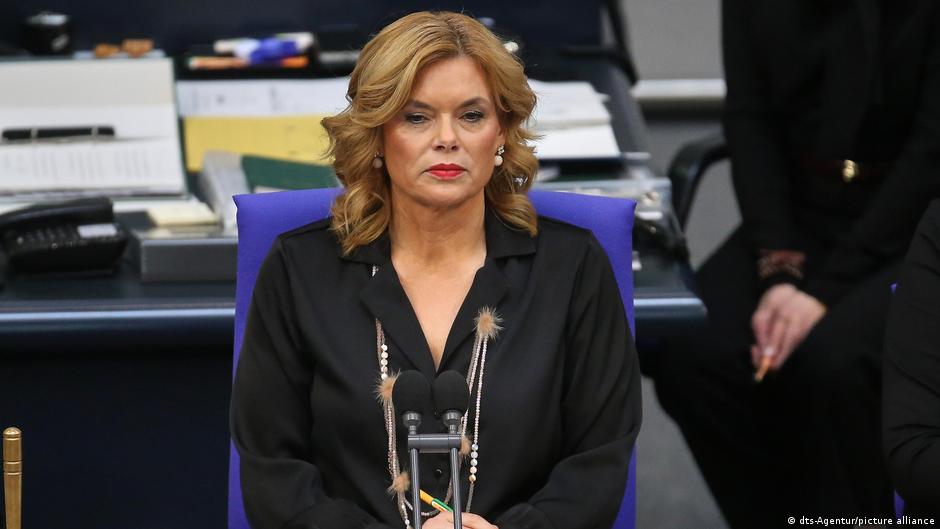
In an alarming development for digital security, the Signal messaging account of Julia Klöckner, chairwoman of the German Bundestag and deputy chair of the Christian Democratic Union (CDU), was compromised in a phishing attack. The incident, reported by Der Spiegel on April 22, exposes vulnerabilities that could have serious implications for everyday users’ household budgets, savings, and personal financial data.
Phishing Threats and Their Wider Impact on Consumers
The hacking of Klöckner’s account is part of a broader, ongoing wave of phishing attacks targeting high-profile individuals in Germany, including politicians, military personnel, diplomats, and investigative journalists. German intelligence agencies have confirmed that these attacks have penetrated private group chats used by senior CDU leadership, raising concerns about the security of sensitive information that could indirectly affect financial markets and consumer confidence.
“Attackers are currently covertly harvesting data from numerous political groups via Signal, with the real number of breaches likely far exceeding official reports,” a federal security briefing stated.
While the immediate victims are political figures, the growing sophistication and frequency of these attacks serve as a warning for the general public. Cybercriminal tactics such as phishing can easily extend to everyday consumers, putting household financial information—bank details, credit cards, and even personal savings—at risk.
For families managing budgets tightly amid inflationary pressures and currency uncertainties, the threat of identity theft and fraud can translate into real economic losses. Cyberattacks can lead to unauthorized transactions, compromised savings accounts, or inflated insurance and loan costs due to damaged credit scores.
Furthermore, the breach also spotlights the risks in relying on encrypted messaging apps like Signal for sensitive communications without robust security training. As households increasingly use these platforms for banking alerts, investment updates, or communicating financial plans, the potential for data interception can undermine trust in digital financial services.
Government Response and Consumer Precautions
Following the breach, German Federal Office for the Protection of the Constitution (BfV) promptly informed Chancellor Friedrich Merz and conducted security checks on his device, finding no compromise. However, the incident underscores the need for stronger cybersecurity protocols not only at government levels but also for consumers.
The BfV and the Federal Office for Information Security (BSI) issued a detailed 20-page advisory on phishing threats, emphasizing vigilance for suspicious messages and educating users on secure practices. These recommendations are pertinent for individuals who increasingly rely on digital tools for financial transactions and savings management.
Consumers are advised to:
- Use multi-factor authentication on messaging and financial apps.
- Verify the authenticity of unexpected messages or links before clicking.
- Regularly update software and security patches.
- Be cautious about sharing personal financial data through messaging platforms.
- Monitor bank and credit accounts frequently for unauthorized activity.
Cybersecurity experts warn that the sophistication of phishing schemes will only grow, and financial institutions may face higher risks of breaches that could ripple out to customers. Therefore, safeguarding personal digital environments is essential for protecting household budgets and savings.
Ultimately, the hacking episode involving Julia Klöckner’s Signal account serves as a critical reminder: digital security lapses at the highest levels reflect vulnerabilities faced by everyday users. As cyber threats escalate, consumers must be proactive in reinforcing their digital defenses to shield their financial wellbeing.