Central Bank Holds Key Interest Rate at 14% Amid Inflation and External Risks
Despite slowing inflation, persistent food price growth and external economic pressures lead to unchanged central bank policy.
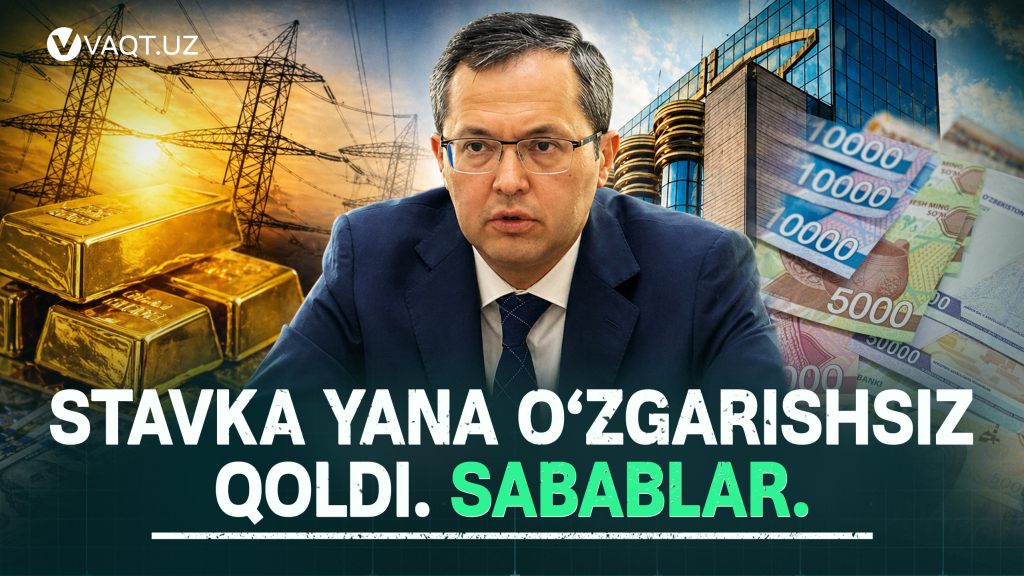
On April 29, the Central Bank's board decided to maintain the key interest rate at an annual 14%, reflecting a cautious approach amid mixed economic signals. This decision comes despite an overall downward trend in inflation, highlighting ongoing concerns about food price inflation and external risks affecting the economy.
Inflation Trends and Their Impact on Household Budgets
According to official data, annual inflation fell to 7.1% in March 2024, with inflation expectations also declining, suggesting some stabilization in price growth. However, the cost of essential food products continues to rise sharply, outpacing general inflation and exerting significant pressure on household budgets. This persistent increase in food prices means that many consumers are still facing higher living costs, eroding purchasing power and limiting the ability to save.
"Although inflation is decreasing overall, the pace has slowed, and certain sectors, especially food prices, are still experiencing notable growth," said Central Bank Governor Temur Ishmetov.
Energy tariffs and utility prices also play a crucial role in inflation calculations. While a tariff indexation of up to 10% was projected at the start of the year, exact figures remain unconfirmed. These costs directly affect household expenses, emphasizing the importance of monitoring these components for personal financial planning.
External Economic Pressures and Currency Policy
Global economic uncertainties further complicate the domestic financial landscape. The International Monetary Fund has downgraded its growth forecasts while warning of persistent inflation risks, particularly in energy and food markets. Such volatility has the potential to disrupt local markets and increase the cost of living for ordinary consumers.
On a positive note, Uzbekistan's economy grew by 8.7% in the first quarter, surpassing expectations. While this robust growth can stimulate demand, it may also add upward pressure on inflation, affecting household expenses and savings strategies.
Regarding currency policy, the Central Bank reaffirmed its commitment to a free-floating exchange rate regime, avoiding artificial interventions in the currency market. This stance supports market-driven currency valuation but may contribute to exchange rate fluctuations that impact everyday investors and consumers holding foreign currency.
Outlook for Monetary Policy and Personal Finance
Looking ahead, the Central Bank emphasized that future decisions on interest rates will depend on inflation dynamics and risk assessments. A decrease in inflationary pressures could pave the way for interest rate reductions, potentially lowering borrowing costs for households and businesses. Conversely, persistent inflation may lead to tighter monetary policy, raising loan and mortgage rates, which would impact household budgets and investment decisions.
Meanwhile, the ongoing privatization of state banks like Sanoatqurilishbank, Aloqabank, and Asakabank continues, though the Central Bank remains in an advisory and analytical role. These reforms may eventually influence the banking sector's competitiveness and services available to consumers.
In summary, while signs of easing inflation provide some relief, high food prices and external economic risks mean that consumers should remain vigilant in managing their budgets and savings. The Central Bank’s cautious stance reflects the delicate balance between supporting economic growth and controlling inflation to protect household purchasing power.