US Arms Supply Delays to Europe Amid Iran Conflict Impact Household Budgets and Investors
US delays in military shipments to Europe due to Iran conflict strain defense budgets and influence currency and savings dynamics.
The ongoing military conflict between the United States and Iran has led to significant changes in US arms exports, causing delays in weapon deliveries to European allies. This shift is set to affect not only international defense cooperation but also household budgets, savings, and investment landscapes across these allied nations.
Impact of US Weapons Supply Delays on Consumer Finances
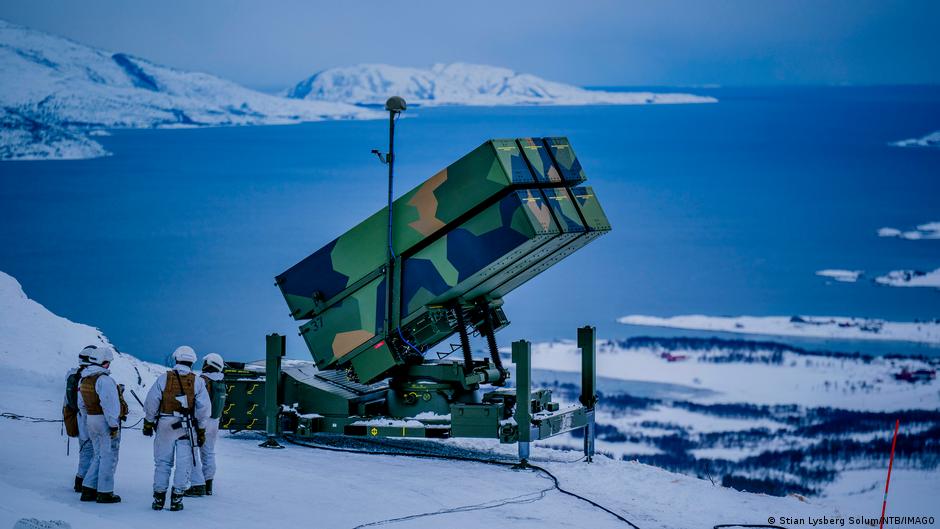
According to multiple sources, the United States has alerted key European partners—including the UK, Poland, Lithuania, and Estonia—of severe delays in the delivery of arms and ammunition. The immediate priority for the US military is to replenish its own depleted arsenal due to the conflict with Iran. Such delays encompass critical munitions for missile systems such as NASAMS and HIMARS, widely used in Europe and other allied countries.
These supply interruptions extend beyond Europe, with Asian allies like Japan and South Korea also expected to face delays. The Pentagon has stated it is "carefully assessing" new requests and existing arms transfers to ensure alignment with operational requirements in light of ongoing military engagements.
"The fifth year of Ukraine defending against Russian aggression has already seen constant delays in US weapons deliveries; these new setbacks compound challenges for European defense readiness and investor confidence," a senior Ukrainian official noted.
For households and everyday investors in these countries, the implications are multifaceted. Defense spending often forms a significant portion of national budgets, influencing government borrowing, currency valuation, and consequently, consumer spending power. Delays in critical arms shipments may prompt governments to reallocate funds or increase borrowing to maintain defense capabilities, potentially pushing up interest rates and affecting savings returns.
Currency fluctuations may also arise as markets react to increased geopolitical risks and uncertainties surrounding military support. Investors holding assets in affected countries could face increased volatility, while consumers might experience inflationary pressures if defense-related fiscal shifts divert resources from other economic sectors.
The US simultaneously approved arms exports worth over $8.6 billion to Middle Eastern allies such as Israel, Qatar, Kuwait, and the UAE, utilizing emergency procedures to bypass Congressional approval. The largest portion, $4 billion, is allocated to Qatar, highlighting a strategic pivot that may have further ripple effects on global arms markets and allied economies.
In the context of personal finance, these developments underscore the importance for consumers and investors to monitor geopolitical events closely, as shifts in government spending and international relations can ripple through currency values, inflation rates, and investment returns. Those with exposure to affected currencies or defense-related equities should consider risk mitigation strategies amid heightened uncertainty.
Overall, the US decision to prioritize its own military readiness over timely arms deliveries to some partners signals a complex balancing act with tangible effects on household budgets and the investment environment across Europe and allied nations.