Impact of Israel’s Interception of Gaza Aid Flotilla on Global Supply Chains and Consumer Costs
Italy and Germany express concern as Israel halts humanitarian aid ships, raising potential ripple effects on household budgets and currency markets.
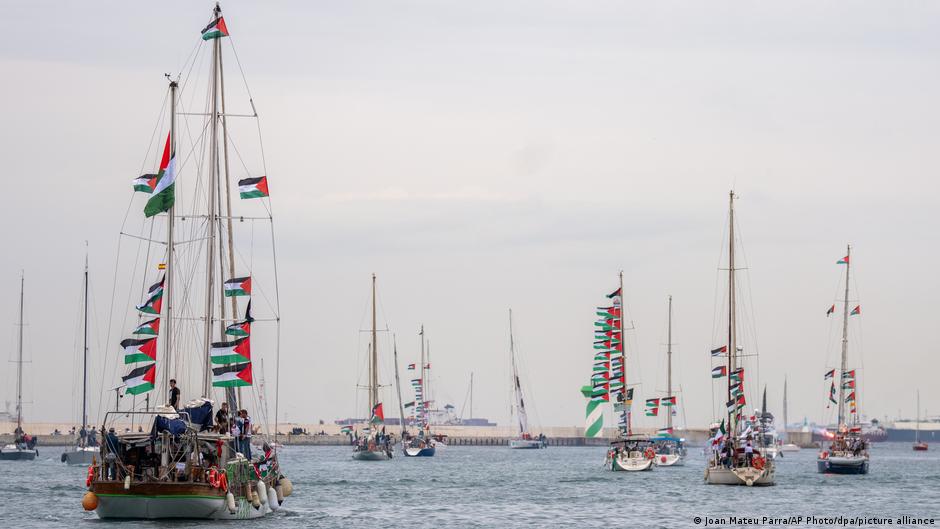
Italy and Germany have voiced serious concerns after Israel intercepted a flotilla carrying humanitarian aid intended for the Gaza Strip. This development, involving the stopping of more than 20 vessels and the detention of activists in international waters near Greece, underscores tensions that could indirectly affect consumer prices, currency stability, and everyday investors worldwide.
Geopolitical Tensions and Their Economic Ripple Effects
The Global Sumud Flotilla, which departed Sicily with dozens of ships and activists aiming to challenge Israel’s longstanding naval blockade of Gaza, was stopped by Israeli naval forces west of the Greek island of Crete. Italy and Germany jointly urged strict adherence to international law and cautioned against irresponsible actions, emphasizing the importance of maintaining humanitarian supply routes.
While the flotilla’s primary goal was to deliver aid and establish a permanent humanitarian corridor, the intervention highlights the fragile geopolitical environment surrounding the region. Such conflicts tend to ripple through global markets, affecting everything from commodity prices to currency valuations, which in turn impact household wallets and savings.
"We call for full respect of existing international law and a rejection of irresponsible actions," the joint statement from Rome and Berlin emphasized.
For consumers, disruptions in humanitarian aid routes and related tensions can translate into increased volatility in fuel and commodity prices, as shipping routes face uncertainty. These pressures may lead to inflationary effects on everyday goods and services, squeezing household budgets.
Moreover, the instability can influence currency markets. Investors and traders often react to geopolitical conflicts by shifting capital into safer assets or currencies, which can affect exchange rates. For ordinary citizens who hold foreign currencies or invest internationally, these fluctuations create additional financial uncertainty.
The Broader Context of the Gaza Blockade and International Aid
The naval blockade of Gaza, supported by Israel and Egypt since 2007, restricts maritime access to the enclave. Activists behind the Global Sumud Flotilla aimed to break this blockade to provide humanitarian assistance and promote the establishment of a continuous aid corridor.
Notably, eco-activist Greta Thunberg confirmed her participation in a similar flotilla effort in August 2025, highlighting the international attention and activism around Gaza’s humanitarian situation.
Previously, in October 2025, a ceasefire agreement brokered by the United States and other international actors sought to ease hostilities between Israel and Hamas. While diplomatic efforts continue, the recent flotilla interception demonstrates ongoing challenges in achieving lasting peace and stability.
For everyday investors and consumers, such geopolitical developments not only embody remote conflicts but also bear tangible impacts—affecting fuel prices, import costs, and investment portfolios.
Understanding these connections can help households prepare for potential fluctuations in expenses and currency values, emphasizing the importance of diversified financial planning amidst global uncertainties.