Income Inequality Widens in Germany as CEO Salaries Surge Amidst Stagnant Worker Wages
German CEO pay has risen 56% since 2019 while employee wages remain below pre-pandemic levels, increasing financial pressure on households across the country.
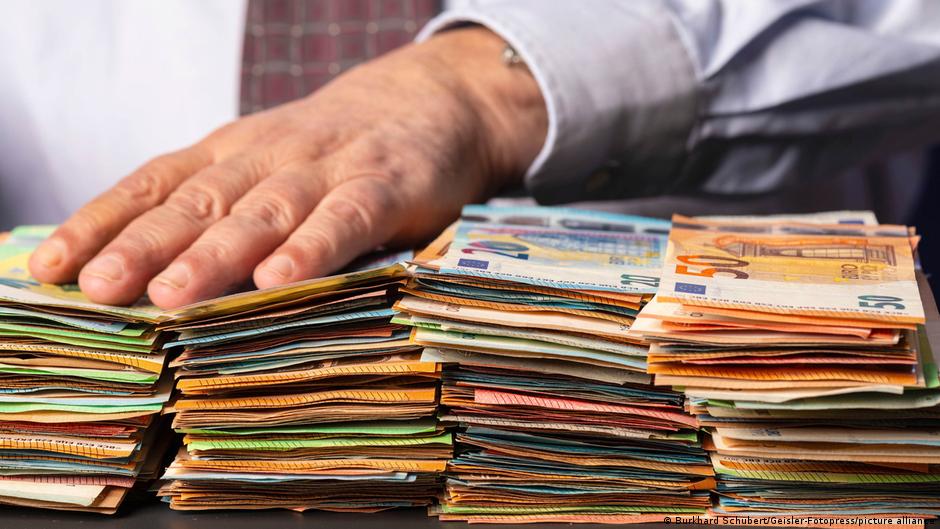
Income inequality in Germany continues to deepen, as the salaries of top executives at major companies have soared while average workers grapple with stagnant or declining wages. According to a recent analysis by the charitable organization Oxfam, the gap between CEO pay and worker income has expanded significantly since the onset of the COVID-19 pandemic, intensifying financial strain on many households.
CEO Salaries Soar While Worker Wages Lag Behind
For the 25 chief executives of companies listed in Germany’s DAX 40 index, salaries have increased by 56% compared to 2019, rising from an average of €4.5 million to nearly €7 million. Globally, CEO pay has climbed 54% when adjusted for inflation, reaching an average of $8.4 million (€7.1 million) in 2025, up from $5.5 million (€4.7 million) in 2019. In contrast, real wages for average employees have fallen by 12% over the same period.
Oxfam highlights the stark disparity by noting that an average worker would need to work for 490 years to earn what a CEO makes in a single year. This growing gulf in earnings points to an increasing concentration of wealth at the top, with significant implications for social stability and economic fairness.
“This rising inequality poses a threat to our democracy,” Oxfam warns, emphasizing the disconnect between the soaring incomes of executives and the daily financial challenges faced by ordinary workers.
Many German households are still feeling the pressure of lower purchasing power compared to pre-pandemic levels. The recent surge in inflation, particularly driven by energy and food costs, further exacerbates the strain on family budgets. Meanwhile, the rapidly inflating salaries of top managers highlight a widening economic divide.
Oxfam also draws attention to the dividend income enjoyed by nearly 1,000 billionaires analyzed in their study, totaling $79 billion (€67 billion) in 2025 alone. Despite such wealth accumulation, many billionaires benefit from tax rates lower than those paid by average employees.
Recommendations to Address Growing Economic Disparities
To counter the widening income gap, Oxfam recommends stronger taxation policies targeting the ultra-wealthy at both national and international levels. They also call for a legally mandated minimum wage of at least €15 per hour to help improve living standards and limit social inequality.
Economic uncertainty remains pronounced given geopolitical tensions such as the US and Israel conflict with Iran, which the Munich-based ifo Institute forecasts will reduce Germany’s economic growth by at least 0.2 percentage points. Rising oil and gas prices, alongside disrupted supply chains—especially shipping delays caused by route changes around the Persian Gulf—are contributing to rising costs and economic challenges for businesses and consumers alike.
These factors combine to create a difficult environment for German families trying to manage everyday expenses, savings, and investments amid growing inequality and economic headwinds.