Uzbekistan Halts Gold Exports for Over Six Months Impacting Trade and Household Budgets
The suspension of gold exports has led to a nearly 30% drop in export revenues, affecting currency strength and domestic savings.
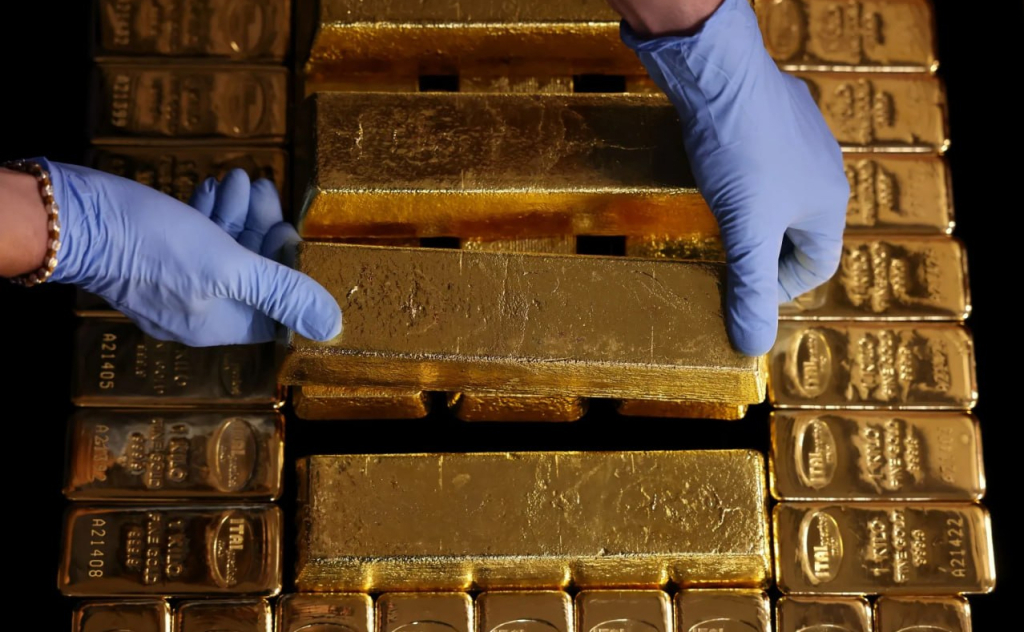
Uzbekistan has not exported any gold since September 2025, marking over six months without gold sales abroad. This pause in gold exports has contributed to a significant 29.3% decline in overall export revenues during the first quarter of 2026 compared to the same period last year.
Trade Dynamics and Economic Impact
According to recent trade figures, Uzbekistan’s total foreign trade turnover reached $18 billion in the first quarter of 2026, a modest increase of 2.7% compared to the first quarter of 2025. However, while imports surged by 30.8% to $12.2 billion, exports dropped sharply to $5.8 billion.
The export decline is primarily attributed to the halt in gold sales, which had been a vital export commodity. In the first quarter of 2025 alone, gold exports accounted for $3.6 billion, a figure that significantly shaped export earnings last year but is absent from current revenues.
The Central Bank explained that the suspension of gold sales was necessary to maintain high gold reserves amid fluctuating global prices. Throughout March 2026, gold prices dropped from around $5,300 per ounce to nearly $4,400, diminishing the incentive to sell gold on the international market.
“Maintaining robust gold reserves is critical at this time, even if it means temporarily halting exports,” the Central Bank stated.
This decision, while helping preserve national reserves, has direct consequences for currency stability and household finances. A decline in export earnings can weaken the Uzbekistani som, potentially increasing inflationary pressures on everyday goods and services.
Key Trading Partners and Market Shifts
China remains Uzbekistan’s leading trading partner, with bilateral trade reaching $4.6 billion in the first quarter, comprising about a quarter of total foreign trade. Russia follows with $3.3 billion, and Kazakhstan ranks third with $1.3 billion. All top 20 trading partners saw growth in trade volume compared to 2025.
Despite these gains, the export drop underscores the economy’s vulnerability to commodity price shifts and trade disruptions. For households and consumers, this translates into potential volatility in savings value and increased costs for imported goods, especially given the rising import figures.
Implications for Consumers and Investors
With gold no longer flowing out of the country, domestic gold reserves are stable, but the reduced export earnings put pressure on the national currency and foreign exchange reserves. This scenario can lead to depreciation of the som, which affects purchasing power for imported products and may reduce disposable income for consumers.
Moreover, for individual investors and savers, the decline in gold exports and price volatility on the international market may influence local gold prices and investment returns. Those holding physical gold or gold-backed assets might see fluctuating valuations, requiring careful portfolio management.
Overall, the halt in gold exports illustrates the delicate balance between safeguarding national reserves and supporting economic stability, with tangible effects on household budgets and consumer confidence.