UK-Russia Diplomatic Tensions Impact Currency Stability and Household Finances
Reciprocal diplomat expulsions between the UK and Russia raise concerns over currency fluctuations and financial uncertainty for everyday consumers and investors.
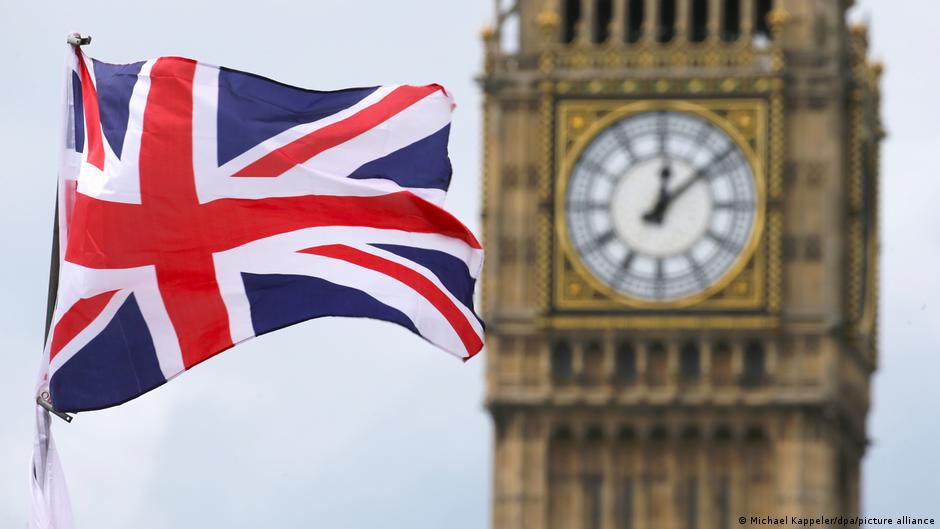
Recent diplomatic actions between the United Kingdom and Russia, marked by the reciprocal expulsion of diplomats, have heightened geopolitical tensions with potential repercussions on household finances, currency markets, and investment portfolios.
Diplomatic Fallout and Economic Implications
On April 29, the UK Foreign Office announced it withdrew accreditation from a Russian diplomat in London following Moscow's expulsion of a British diplomat accused of espionage. This tit-for-tat exchange underscores deteriorating relations between the two nations amid a broader campaign of mutual distrust and accusations.
Such diplomatic instability often translates into increased volatility in currency markets. The British pound and Russian ruble are particularly susceptible to fluctuations tied to geopolitical developments. For UK households and consumers, this volatility can mean higher prices for imported goods and uncertainty in savings held in foreign currencies.
“We will not tolerate intimidation of our diplomatic staff,” stated a UK government spokesperson, emphasizing the seriousness of these actions.
For everyday investors, especially those with exposure to international markets or Russian assets, the escalating diplomatic tensions could translate into riskier investment environments and currency risks. Exchange rate swings can impact the value of investments denominated in foreign currencies, affecting returns and portfolio stability.
Consumer Impact and Household Budgets
Households relying on imports from Russia or connected to sectors affected by UK-Russia relations may encounter rising costs or supply disruptions. Additionally, financial institutions often respond to geopolitical risks by adjusting lending rates or investment strategies, which can indirectly influence mortgage rates, loan terms, and savings yields.
Furthermore, British expatriates in Russia and Russian nationals in the UK may face increased bureaucratic hurdles and uncertainties, affecting personal finances and cross-border financial transactions.
Looking Ahead
As both governments signal readiness to respond firmly to any further provocations, consumers and investors should stay informed about ongoing developments. Diversifying portfolios, monitoring currency exposures, and considering the effects of geopolitical risk on household budgets are prudent steps during such uncertain times.