US to Issue Special Trump Portrait Passports Amid 250th Independence Anniversary
Washington will distribute passports featuring President Trump’s portrait, impacting collectors and currency enthusiasts.
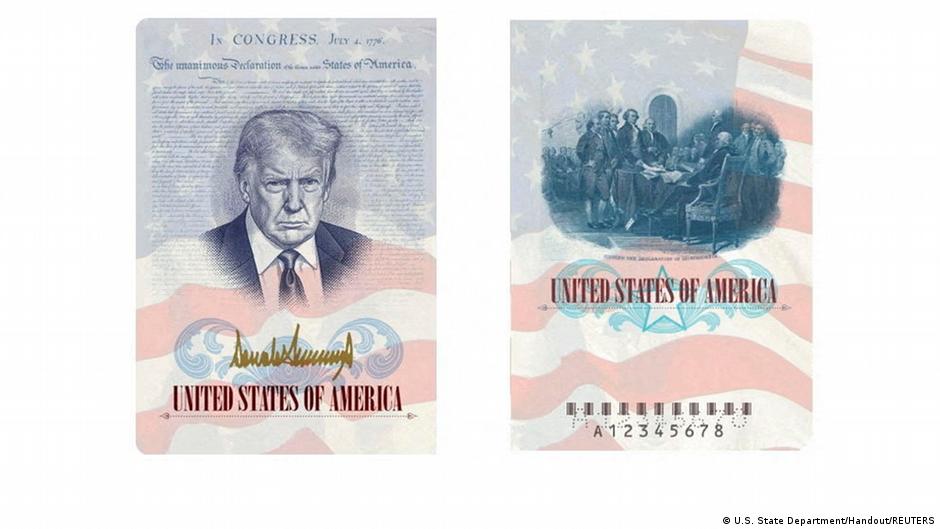
In commemoration of the United States' 250th anniversary of independence, a unique series of passports featuring the portrait of the sitting President Donald Trump will be issued in Washington, D.C. The State Department announced this special edition passport on April 28, sparking interest among collectors, consumers, and everyday Americans concerned about personal documents and currency symbolism.
Impact on Household Budgets and Collectors
The special Trump passports will be distributed by default only at the Washington passport agency, while other locations and online applications will continue issuing the standard design. The exact number of these commemorative passports planned for release remains undisclosed. While primarily symbolic, this move may influence consumers who regularly replace or renew passports, especially travelers and collectors considering the passports as keepsakes.
The passport’s inner cover will feature a golden-embossed signature of President Trump alongside his portrait, while the back cover includes a fragment of John Trumbull’s famous painting "Declaration of Independence." Traditionally, the standard passport design features Edward Percy Moran’s depiction of Francis Scott Key during the War of 1812, symbolizing historical continuity. This thematic shift to a contemporary political figure introduces new dynamics for consumers evaluating the value and significance of their personal identification documents.
"The incorporation of a sitting president's image on official travel documents presents a novel intersection between politics, personal finance, and national identity," noted experts in consumer affairs.
Broader Currency and Commemorative Trends
This initiative aligns with other recent decisions to embed President Trump’s image and signature into U.S. currency and commemorative items. For example, starting March 26, Trump’s signature will replace the U.S. Treasury Secretary’s signature on the new $100 bills issued for the 250th anniversary—a first in 165 years. This change could affect everyday investors and currency users who track the authenticity and collectibility of banknotes.
Additionally, the U.S. Fine Arts Commission approved the minting of a 24-karat gold coin bearing Trump’s likeness and the inscription "Liberty." This coin is set to become a sought-after collector’s item, reflecting both patriotic fervor and political branding. However, political shifts affecting commission leadership raise questions about the longevity and bipartisan support for these commemorative items.
Other symbolic honors include the renaming of prominent institutions such as the U.S. Institute of Peace and the John F. Kennedy Center for the Performing Arts, incorporating Trump’s name into their titles. Furthermore, plans to build a new class of naval vessels named "Trump" equipped with advanced weaponry signify a broader strategy to cement the current administration’s legacy in national symbols and public assets.
Consumer Considerations and Financial Implications
For everyday Americans, these developments present more than just political symbolism. Consumers may face decisions about whether to obtain these limited-edition passports or banknotes, which could hold potential collectible value but might also incur premium costs or delays. Travelers should note that these special passports will only be available at specific agencies, possibly complicating renewals.
From a personal finance perspective, the intertwining of political imagery with currency and identification documents highlights the importance of understanding how political decisions can influence the usability, value, and perception of financial instruments and personal records. Investors in collectibles and currency should monitor the market response to these changes, as rarity and demand could affect future valuations.
As the United States marks its milestone anniversary, the fusion of patriotism, politics, and consumer finance underscores the evolving relationship between government initiatives and individual economic choices.