Moscow Victory Day Parade Excludes Military Vehicles Amid Security Concerns
The 2026 Victory Day parade in Moscow will proceed without military vehicles, impacting national celebrations and reflecting broader economic and security challenges.
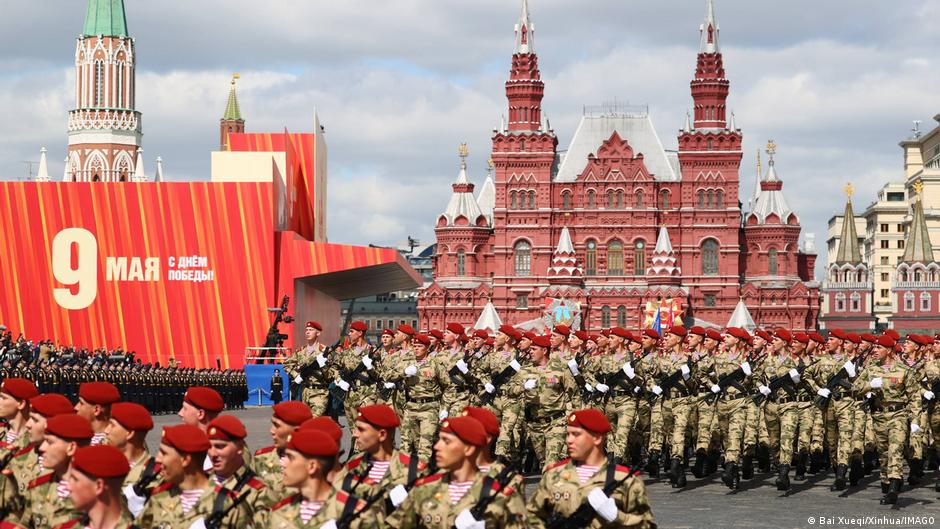
The traditional Victory Day parade in Moscow on May 9, 2026, will mark a significant departure from past celebrations by not featuring any military vehicles. This decision, announced by the Russian Ministry of Defense, is attributed to the "current operational situation," signaling a cautious approach amid ongoing security tensions.
Implications for Households and the Economy
The absence of military hardware from the parade is more than a symbolic change—it hints at broader economic strains that could resonate with everyday Russians. Large-scale military displays have historically been a source of national pride and a demonstration of state strength. Their reduction may reflect resource reallocation amid ongoing conflicts and economic pressures.
For households, this shift coincides with regional cancellations of mass events, including the suspension of festive salutes in several oblasts due to security concerns. These cancellations reduce opportunities for communal celebration and may contribute to a subdued public atmosphere during a traditionally significant holiday.
Additionally, the ongoing military operations and reciprocal attacks have impacted critical infrastructure, such as Baltic Sea ports used for oil exports and a major refinery in Tuapse. Disruptions in these sectors potentially affect household budgets indirectly through fuel prices and inflationary pressures, influencing transportation and heating costs.
"The operational environment has led to a unique Victory Day parade format this year, reflecting both security priorities and economic realities," the Ministry of Defense stated.
Since 2008, military vehicles have been a staple of the May 9 parade, symbolizing Russia’s military capabilities. Their absence this year underscores a notable shift. In the 2025 commemoration of the 80th anniversary of Victory Day, the parade included over 10,000 troops and approximately 200 military vehicles, drawing international dignitaries and highlighting Russia's military tradition.
The curtailment of the parade and regional cancellations come at a time when Russia faces ongoing conflict and economic sanctions, which complicate currency stability and investment climates. Everyday investors may feel the ripple effects through increased market volatility and constrained government spending on social programs.
The reduced spectacle may influence consumer sentiment, as public spending patterns often reflect broader national mood. Households might prioritize essential expenditures, savings, and currency protection strategies in response to perceived instability.
Overall, the 2026 Victory Day parade's scaled-back format is a tangible expression of Russia's current security and economic challenges, with potential downstream effects on household finances, consumer confidence, and everyday investment decisions.