UK King Charles III’s US Visit Highlights Rising Energy Costs and Currency Concerns for Households
The British monarch’s visit underscores strained UK-US relations amid global conflicts impacting consumer energy bills and currency stability.
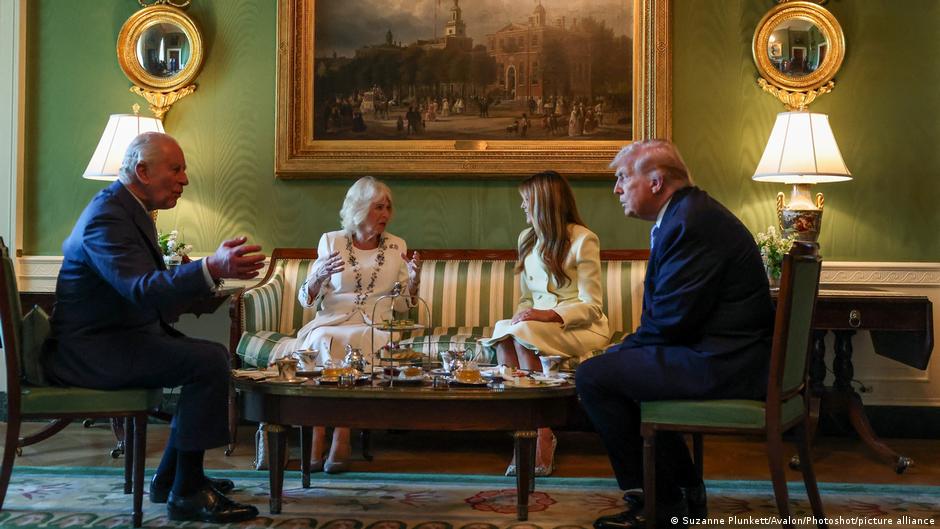
King Charles III of the United Kingdom arrived in the United States amid escalating tensions between the two nations driven by the war in Iran and its broader economic implications. His visit comes at a critical time for households and everyday investors concerned about rising energy prices and currency fluctuations.
Impact on Household Budgets and Consumer Costs
The king’s visit is more than symbolic diplomacy—it coincides with growing public frustration over volatile energy prices that directly affect household budgets. UK Prime Minister Keir Starmer recently highlighted the unpredictability of energy bills, attributing fluctuations to geopolitical actions by leaders such as Russia’s Vladimir Putin and former U.S. President Donald Trump.
"I’m fed up with British energy bills going up and down because of actions by Putin or Trump around the world," Starmer said, emphasizing the need for the UK to invest in energy independence.
Starmer’s government is investing heavily in the UK’s energy infrastructure to shield consumers from external price manipulation. This move aims to stabilize fuel costs, thereby helping households better manage monthly expenses and reduce economic uncertainty.
Meanwhile, former President Trump criticized UK military capabilities and NATO allies’ positions regarding the Iran conflict, calling NATO a "paper tiger" and threatening a U.S. withdrawal from the alliance. These political strains add layers of uncertainty that ripple into currency markets and consumer confidence.
Currency Stability and Investor Concerns
As diplomatic tensions rise, so do concerns about currency valuations and market volatility. The UK and US are key players in global financial markets, and their strained relations can affect exchange rates—impacting everyday investors who hold diversified portfolios or deal with cross-border transactions.
The uncertainty surrounding the use of British military bases and naval deployments in strategic regions like the Strait of Hormuz further complicates investor outlooks. The geopolitical risk factors may increase currency volatility, making it harder for personal investors and businesses to plan long-term financial strategies.
King Charles III’s visit—his first to the US since 2007—includes a historic speech to the US Congress, aimed at rekindling the traditionally close ties between the two nations. However, the backdrop of recent conflicts and political disagreements over military actions and energy policies remains a significant concern for consumers and investors alike.
The visit also follows heightened security measures triggered by a shooting incident at a Washington event involving President Trump, underscoring the tense environment surrounding this diplomatic mission.
Ultimately, the monarch's diplomatic efforts highlight the interconnectedness of international relations with everyday economic realities: energy costs, currency stability, and investment risks. Households and individual investors should monitor these developments closely, as decisions made at the highest levels of government directly influence their financial well-being.