Israel Faces Ukrainian Protest Over Russian Grain Ship Arrival Amid Supply Chain Concerns
Diplomatic tensions rise as Ukraine accuses Israel of allowing a Russian vessel carrying allegedly seized Ukrainian grain into Haifa port.

The recent entry of a Russian cargo ship, suspected of transporting stolen Ukrainian grain, into Israel's port of Haifa has sparked diplomatic friction between Israel and Ukraine, raising concerns about the broader implications for international trade and commodity markets.
Impact on Global Grain Supply and Household Budgets
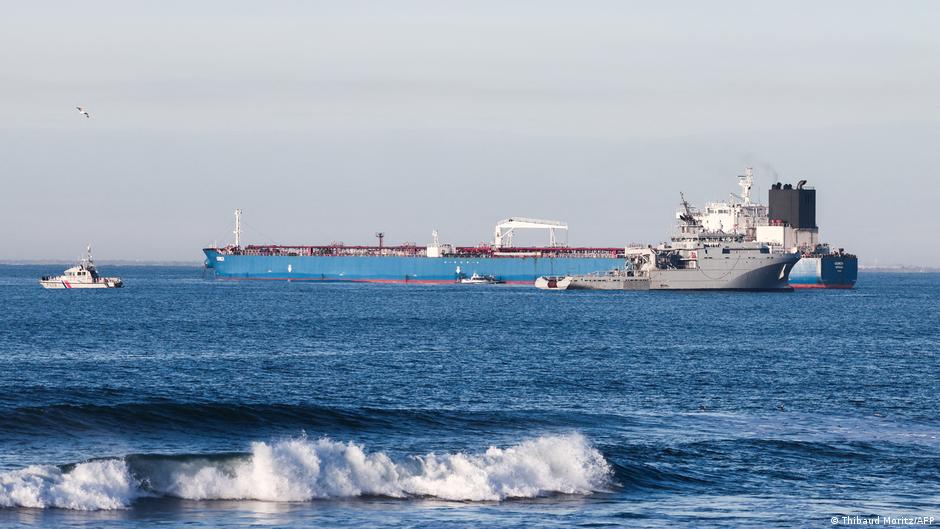
Ukraine, a major global grain exporter, has been at the center of worldwide food supply discussions, especially amid ongoing conflicts that disrupt agricultural exports. The reported arrival of the Russian bulk carrier Abinsk, carrying approximately 43,700 tons of wheat allegedly taken from occupied Ukrainian territories, highlights risks to the integrity of grain supply chains.
This development could indirectly affect international grain prices, which in turn influence household food budgets in many countries. Wheat is a staple ingredient in numerous food products, and fluctuations in its availability or price can lead to increased costs for consumers and pressure on savings and disposable incomes.
Furthermore, the controversy underscores challenges faced by everyday investors and traders in commodity markets, where geopolitical tensions and disputes over asset provenance can increase volatility and uncertainty.
"Diverse geopolitical factors, including contentious trade practices, can ripple through markets and ultimately impact consumers’ wallets," experts note.
Diplomatic Responses and Legal Considerations
Israel's Foreign Minister Gideon Sa'ar responded to Ukraine's formal protest by stating that evidence supporting Ukraine's claims had not yet been presented. He emphasized that the matter would be reviewed in accordance with legal frameworks and criticized Ukraine for publicizing the issue via social media before pursuing formal diplomatic channels.
Ukraine’s Foreign Minister Andriy Sybiha, however, expressed frustration over what he described as Israel’s insufficient response and highlighted the importance of maintaining friendly relations that do not enable illegal trade activities.
While these diplomatic exchanges currently focus on procedural and legal aspects, the ongoing dispute draws attention to the complexities of enforcing international trade laws and protecting export integrity amid geopolitical conflicts.
Consumer Takeaways
Consumers may not immediately notice the direct effects of such disputes, but persistent interruptions or controversies in grain exports can contribute to price instability in food markets worldwide. This situation serves as a reminder for households to monitor food price trends and consider the broader geopolitical factors that may influence everyday expenses.
Additionally, investors with exposure to agricultural commodities should remain alert to the potential for increased market fluctuations driven by diplomatic disputes and sanctions related to conflict zones.
As global supply chains evolve in response to geopolitical challenges, understanding these dynamics can help consumers and investors better navigate the uncertainties that may affect their financial planning and budgets.