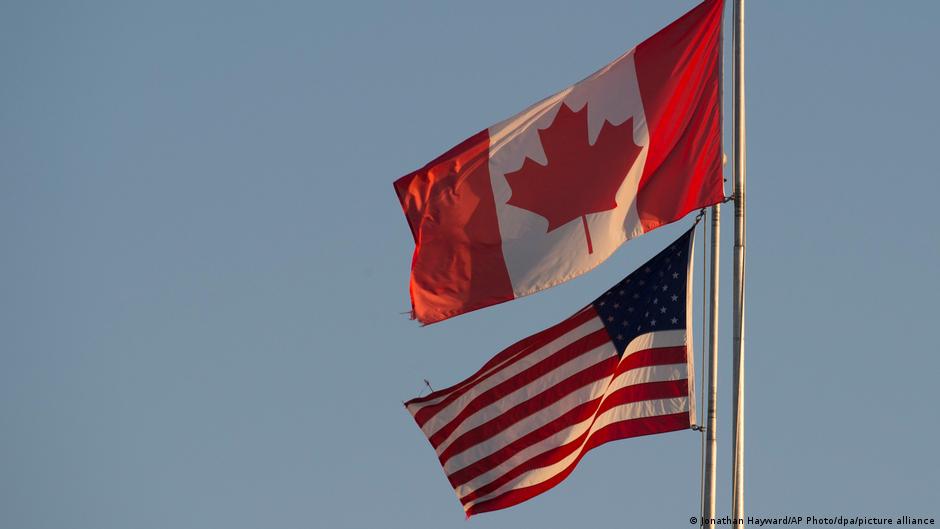
US Plans to Cut 5,000 Troops in Germany: Implications for Euro-Dollar Stability and Household Budgets
The US Defense Department’s decision to reduce troop numbers in Germany may affect currency markets and international investments.
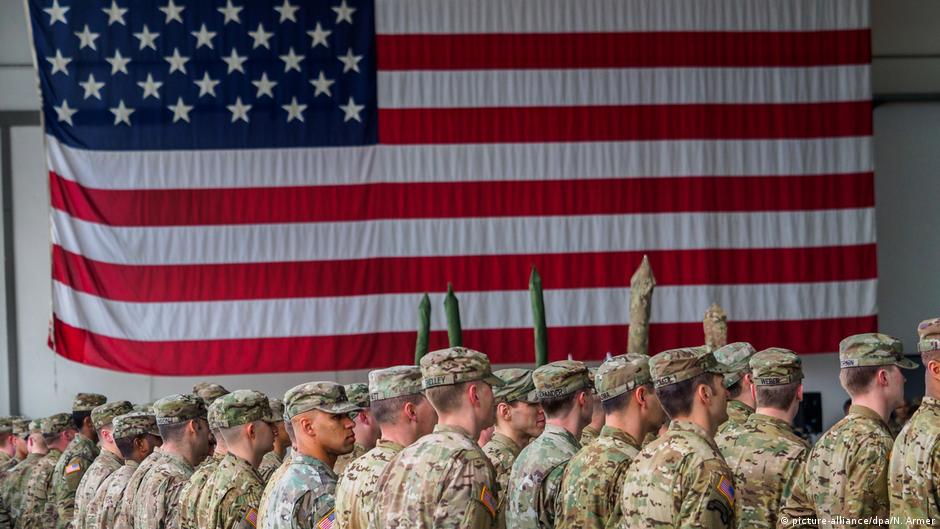
The US Department of Defense has ordered the withdrawal of approximately 5,000 American troops from Germany within the next year. Currently, more than 35,000 US soldiers are stationed in Germany, the largest number in any European Union country.
Defense Secretary Pete Hegseth issued the directive following a thorough review of US military presence in Europe, with plans to complete the troop drawdown in six to twelve months. This reduction comes amid ongoing strategic recalibrations in transatlantic defense commitments.
Impact on Currency and Consumer Finances
The troop reduction is likely to reverberate beyond military and political spheres, potentially influencing currency markets and household budgets. Germany hosts more than half of the US military personnel stationed in Europe, making it a significant node in transatlantic economic and security relations.
Reduced US military presence could affect bilateral trade momentum and investor confidence, factors that support the relative strength of the euro against the US dollar. Currency fluctuations directly impact import prices, energy costs, and inflation rates—key components of household expenses. For everyday consumers and investors alike, shifts in currency values can influence the cost of goods, savings' real value, and returns on foreign investments.
"The planned troop withdrawal not only alters defense dynamics but also serves as a signal for markets to reassess risk and investment flows between the US and Europe," said a financial analyst.
Historically, geopolitical shifts such as troop movements can trigger volatility in currency exchange rates. For European households, a weaker euro could mean pricier imports and pressure on savings, while a stronger dollar may affect US-based investors with European exposure.
Moreover, the long-term presence of US forces in Germany has supported local economies through service contracts, wages, and infrastructure investments. A reduction in this presence could impact jobs and economic activity in regions dependent on US military spending, indirectly influencing consumer confidence and spending power.
Context and Future Outlook
The move follows a period of heightened rhetoric between US and German officials, including disagreements over Middle East policy and Iran. Although the Trump administration previously threatened troop withdrawals, actual numbers in Germany had increased until now. Congressional limits also restrict the administration's ability to unilaterally reduce forces stationed abroad.
Germany’s government has responded calmly, emphasizing continued strategic cooperation. Chancellor Friedrich Merz underscored the importance of US troops working "shoulder to shoulder in deep transatlantic solidarity," indicating that any changes will be coordinated closely to minimize disruption.
For households and investors keeping an eye on currency trends and transatlantic relations, the forthcoming troop adjustments underscore the interconnectedness of geopolitical decisions and personal finances. Close monitoring of exchange rates, inflation indicators, and market reactions will be essential as this situation evolves.