Rising Meat Imports in Uzbekistan Drive Higher Prices Impacting Household Budgets
Uzbekistan's growing reliance on costly imported meat amid slow domestic production pressures consumer spending and savings.
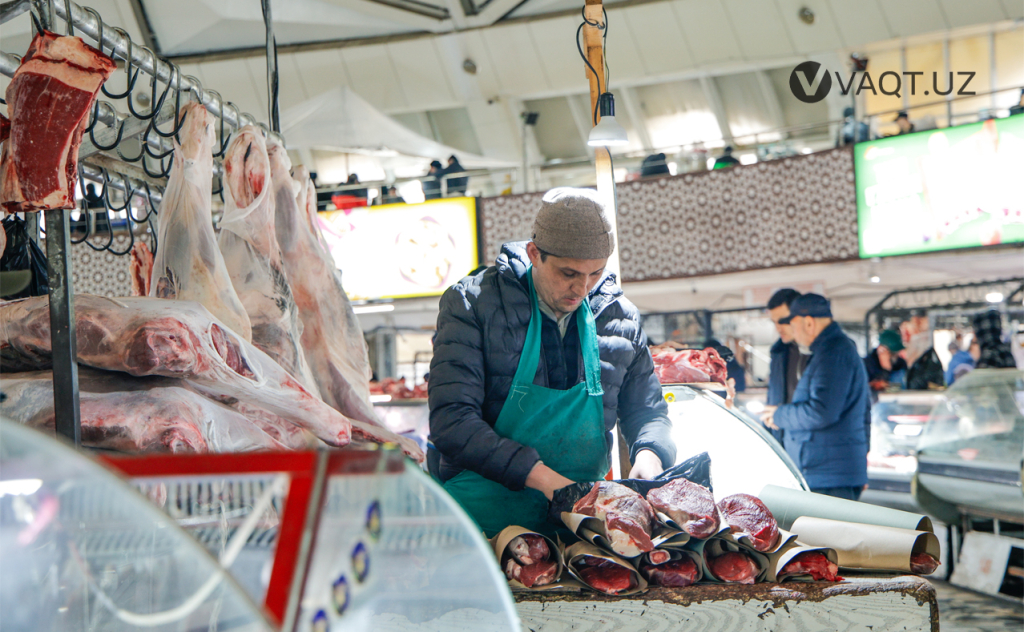
Uzbekistan has significantly increased its meat imports in early 2026, purchasing $320.6 million worth of meat products from abroad, marking a 62.8% rise compared to the same period last year. This surge reflects a growing dependence on foreign meat as domestic production growth slows, leading to rising prices that directly affect household budgets and consumer expenses.
Import Surge Amid Slowing Domestic Production
According to customs data, the volume of imported meat reached 98,000 tons in the first four months of 2026, up 36.6% year-over-year. Beef remains the most imported meat category at nearly 50,000 tons, followed by chicken at 22,700 tons. This increased import volume comes at a time when Uzbekistan’s own meat production growth has decelerated.
Domestic meat production in the first quarter of 2026 was 580,200 tons, only a modest 2.9% increase from the previous year. This is the slowest growth rate recorded since 2022. The slowdown is partly attributed to rising feed prices for livestock, which have discouraged farmers, especially in small-scale and household farming, from increasing meat output.
"The rising cost of animal feed is slowing meat production growth, pushing demand toward more expensive imports," experts note, highlighting the pressure on local producers.
Price Increases Strain Consumer Finances
The spike in imports has coincided with notable price hikes for meat in Uzbekistan. Import prices for beef rose from $4.07 per kilogram in 2025 to $4.80 in 2026, while lamb import prices have nearly tripled from $1.03 to $2.87 per kilogram. Chicken import prices remained relatively stable.
On the domestic market, prices have followed suit. Throughout 2025, beef prices increased by nearly 24%, boneless beef by 25%, and lamb by almost 27%. By March 2026, annual price growth remained high with beef up 15.1%, boneless beef 15.5%, and lamb 18.2%. Retail prices have risen even more sharply, with meat prices reaching up to 200,000 Uzbek soms in bazaars and 259,000 soms in supermarkets.
In April 2026 alone, lamb and beef prices increased by 3.7% and 3.2%, respectively, making meat one of the fastest-rising food items. This trend is likely to persist as Uzbekistan continues to rely on costly imports to meet consumer demand.
Implications for Households and Investors
For Uzbek households, rising meat prices mean increased grocery bills and reduced disposable income that could otherwise be saved or invested. Meat is a staple protein source for many families, so price inflation directly impacts nutritional choices and budget allocations.
Moreover, the increasing cost of imports, influenced by global market volatility and logistical challenges, introduces currency risk and inflationary pressures. This environment complicates financial planning for everyday consumers and investors alike.
As domestic production struggles to keep pace, the government and stakeholders face the challenge of stabilizing the supply chain to help moderate prices and ease budgetary burdens on consumers.
Without interventions, the current trajectory suggests meat prices will continue rising, amplifying the strain on household finances and potentially affecting consumer confidence and spending patterns throughout Uzbekistan.