NATO-Serbia Joint Military Exercises Mark New Era but Economic Implications for Households Remain Unclear
Serbia hosts first-ever joint military drills with NATO amid ongoing neutrality policy, raising questions about potential impacts on local economy and consumer confidence.
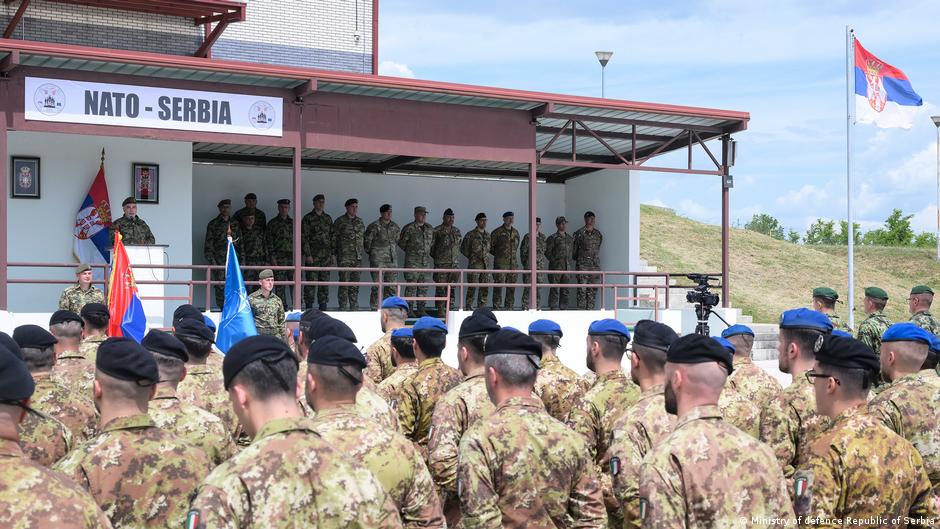
For the first time in its history, Serbia is hosting joint military exercises with NATO forces, signaling a notable development in regional security cooperation. The drills, named "NATO-Serbia," are part of the NATO Partnership for Peace program and involve around 600 soldiers from Serbia and several NATO member countries, including Italy, Romania, and Turkey. Observers from other NATO states such as Germany are also present. The exercises began in May and will continue until the 23rd.
Context and Political Background
Serbia has traditionally maintained a policy of military neutrality and is not a member of NATO, unlike many of its Balkan neighbors. Despite this, the country has participated in NATO's Partnership for Peace program for nearly two decades and regularly takes part in allied drills. Notably, Serbia continues to sustain friendly relations with Russia while navigating its complex relationship with NATO.
"This is an important exercise. Serbia is the host country, and the drills are conducted fully respecting Serbia’s policy of military neutrality," a NATO representative noted.
The cooperation marks a significant shift given the historical tensions stemming from NATO's 1999 bombing campaign during the Kosovo conflict. Kosovo remains a sensitive issue, with NATO-led peacekeeping forces still present in the region and Serbia not recognizing Kosovo’s independence.
Potential Economic and Consumer Impacts
While primarily a geopolitical and security development, these military exercises may have indirect effects on Serbian household budgets, savings, and currency stability. Increased military cooperation with Western alliances can influence investor sentiment, which in turn affects local markets and currency exchange rates.
For everyday consumers, changes in Serbia’s international alliances could alter economic forecasts, potentially impacting inflation, interest rates, and access to foreign investment. Households sensitive to currency fluctuations may experience shifts in purchasing power, especially for imported goods or foreign travel.
However, given the exercises' limited scale and Serbia's continued policy of neutrality, immediate direct economic effects on household finances are expected to be minimal. The government’s balancing act between East and West aims to maintain stability and prevent sudden market disruptions.
Looking Forward
The joint drills may pave the way for deeper military and political cooperation in the future, potentially inviting more robust foreign investment and economic partnerships. Such developments could benefit Serbia's economy in the long term by increasing consumer confidence and stabilizing currency markets.
Still, uncertainty remains due to the region’s complex political landscape and Serbia’s strategic positioning between Western alliances and traditional ties to Russia.